+255 762 032 480 [email protected] Every day · 08:00 – 18:00 EAT
EN
Kilimanjaro packing
Kilimanjaro · 5,895 m

Climb Mount Kilimanjaro – Routes, Best Time & Private Guided Climbs

Private, fully supported climbs to Uhuru Peak on every main route — led by mountain guides from our home town of Moshi, at the foot of Kilimanjaro.

Uhuru Peak
5,895 m
Routes
6
On the mountain
5–10 days
Our home base
Moshi
Kilimanjaro · 5,895 m

The roof of Africa

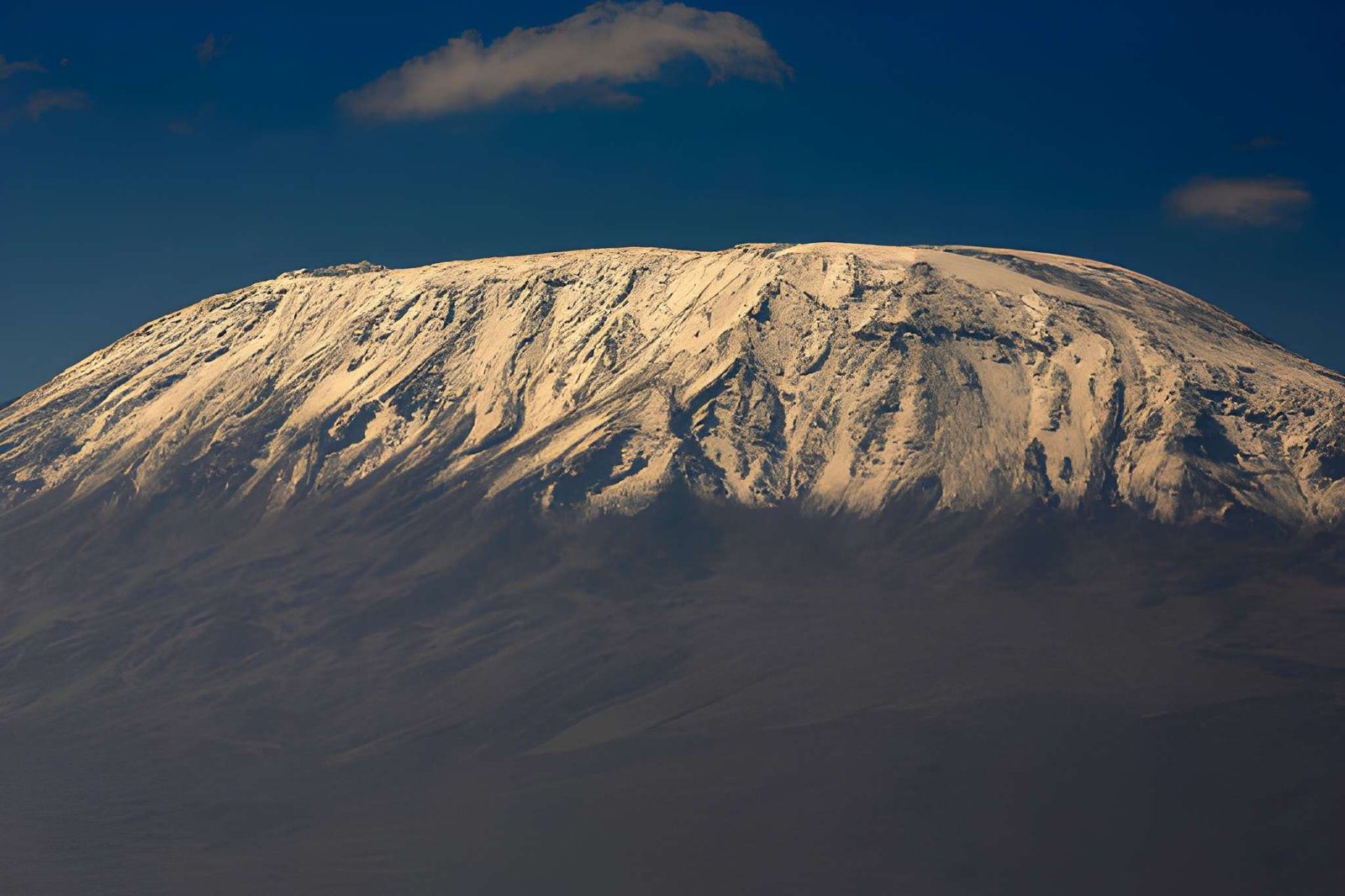
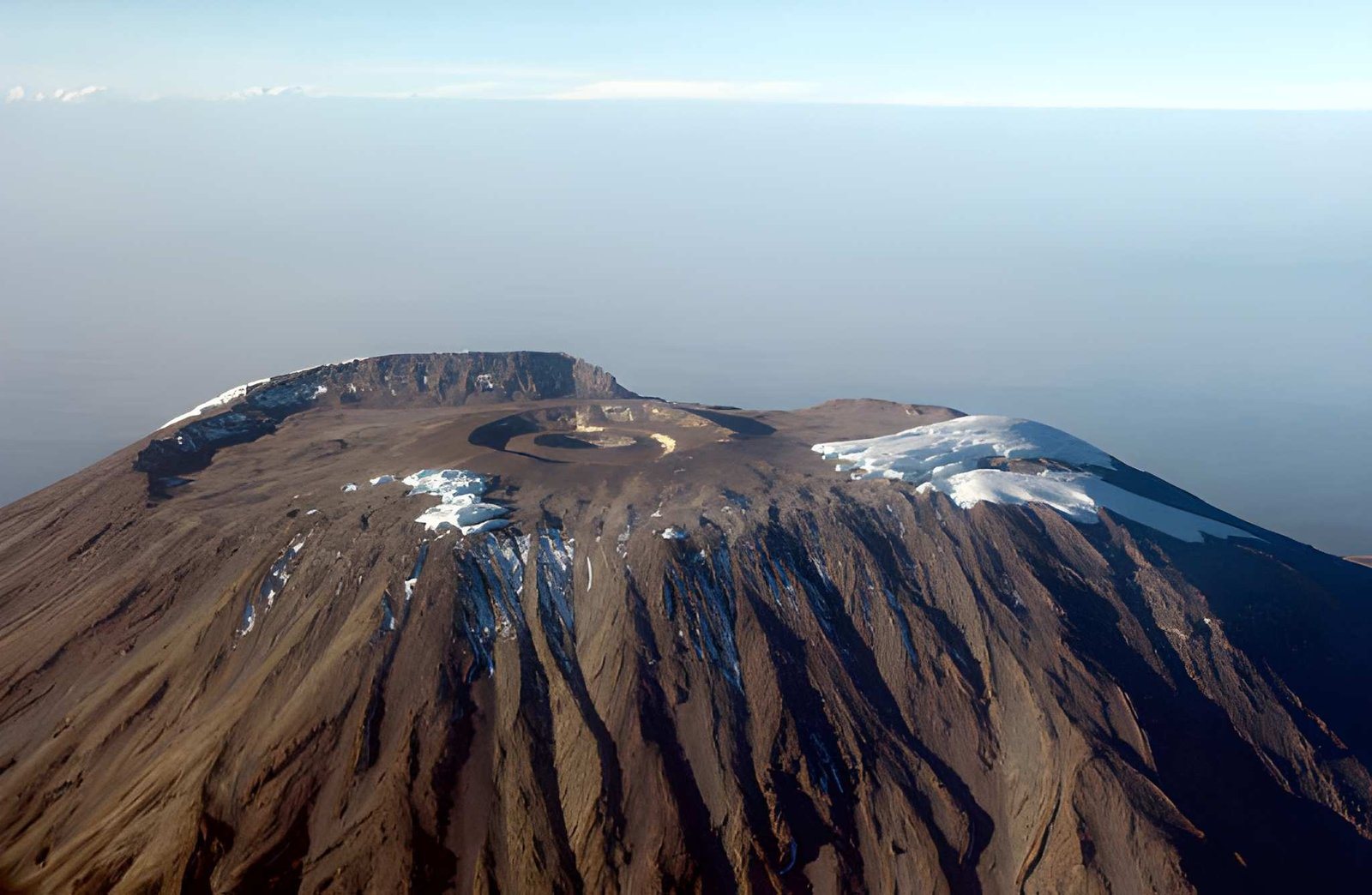
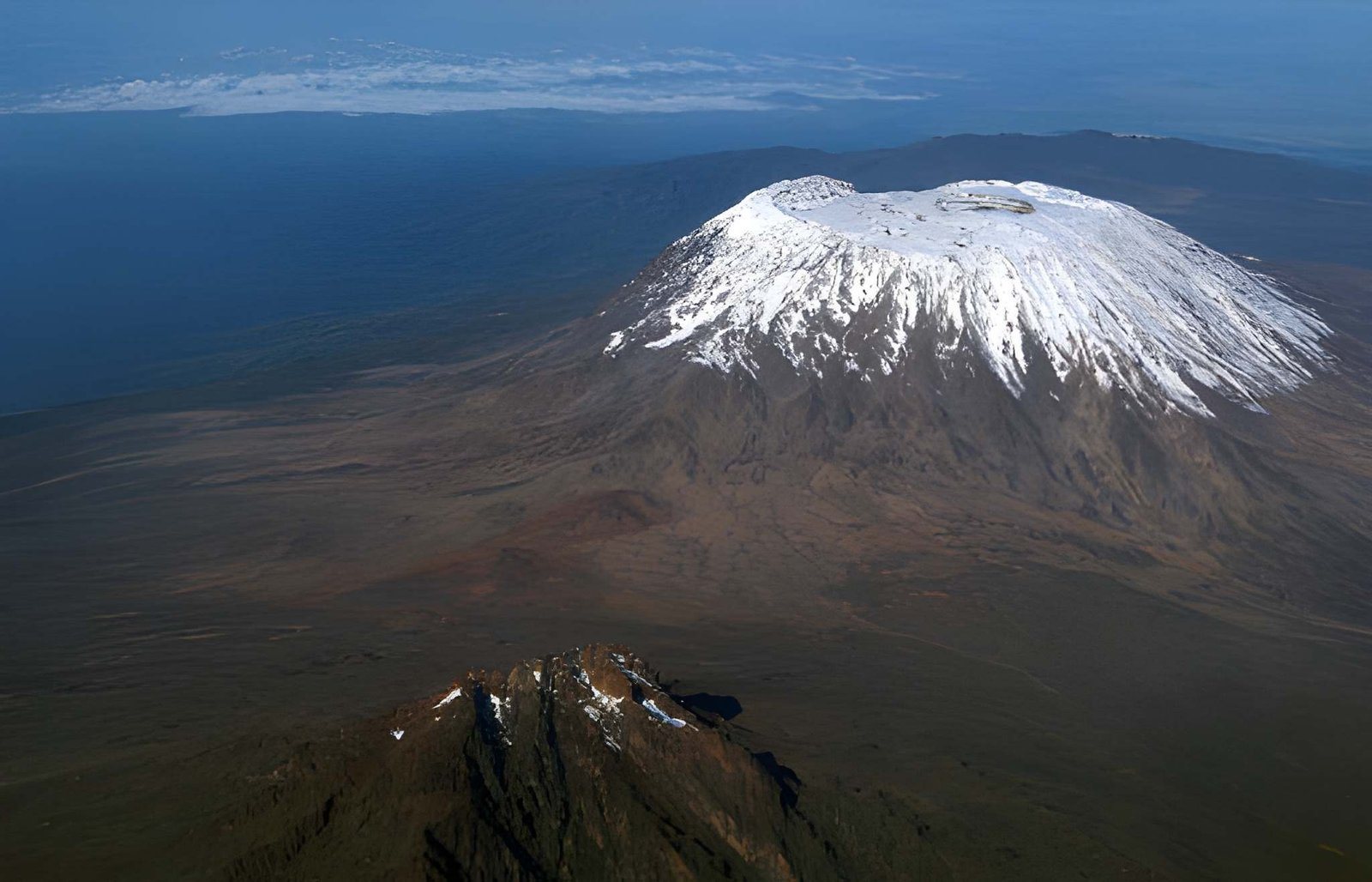
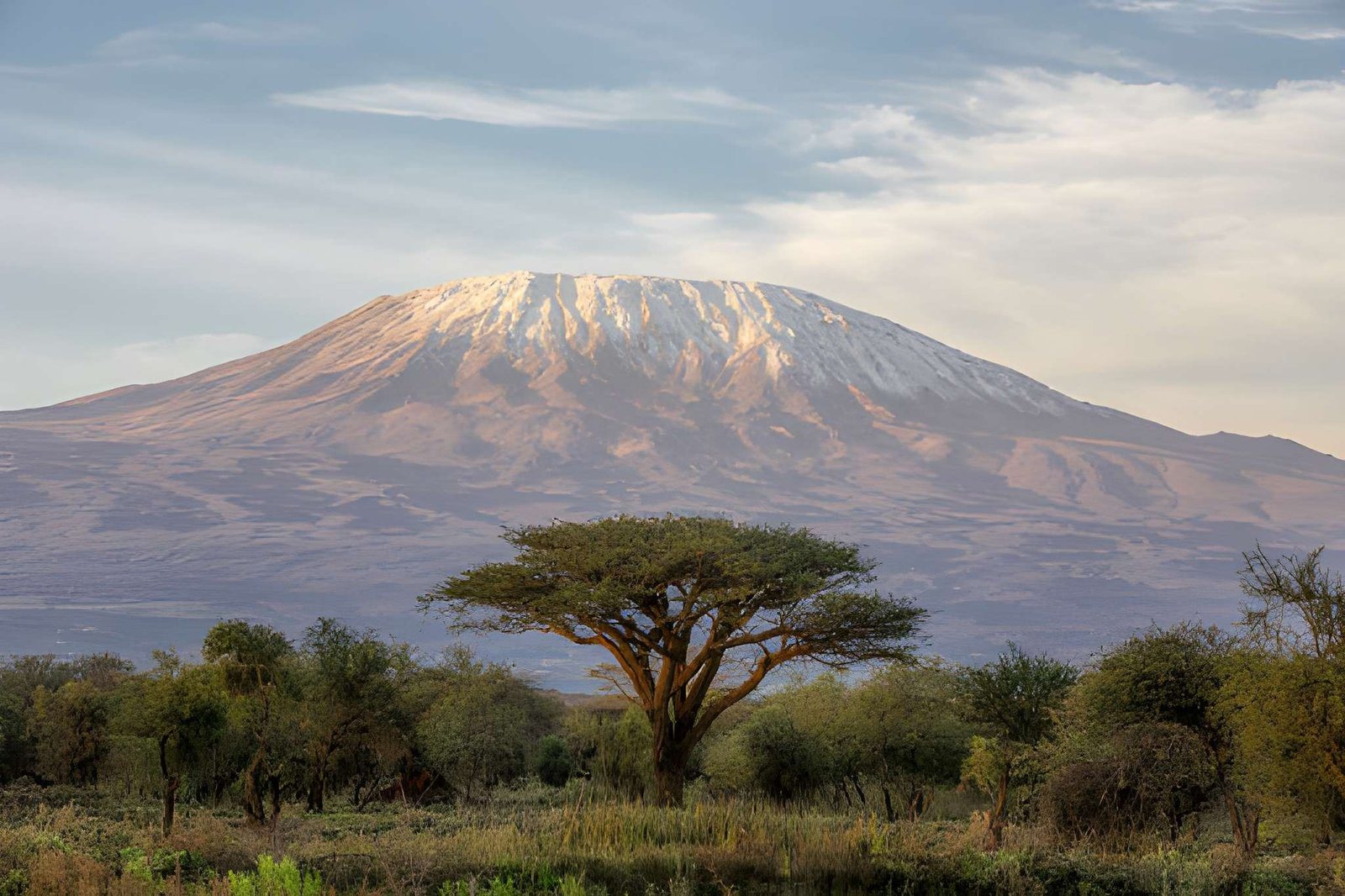
At 5,895 metres, Kilimanjaro is the highest mountain in Africa and the tallest free-standing mountain in the world. It is also one of the most achievable of the world’s great summits: no technical climbing is needed, and with good preparation, a sensible route and an experienced team, people of many ages and backgrounds stand on Uhuru Peak every year. The mountain is protected within Kilimanjaro National Park, a UNESCO World Heritage Site.

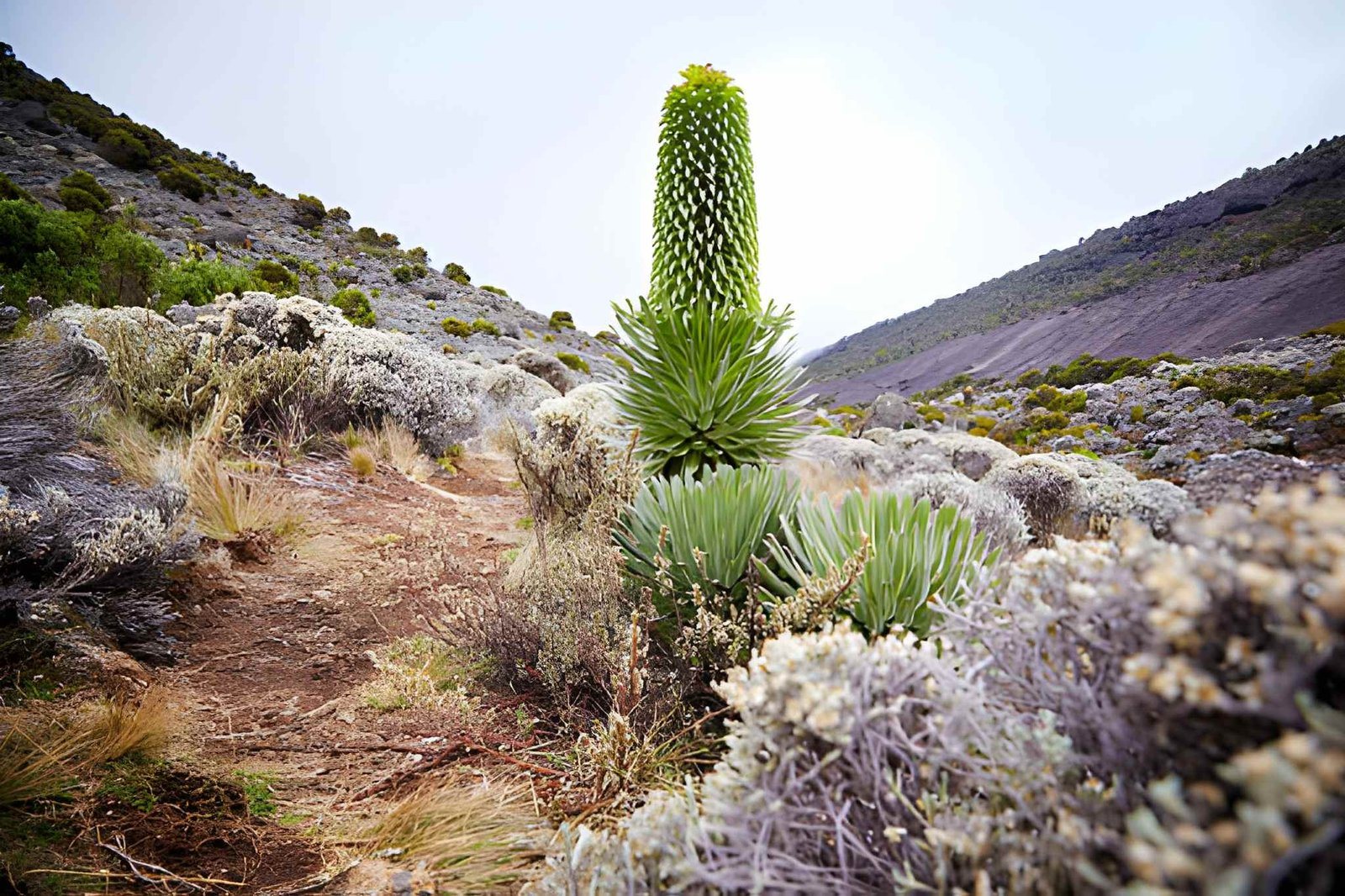
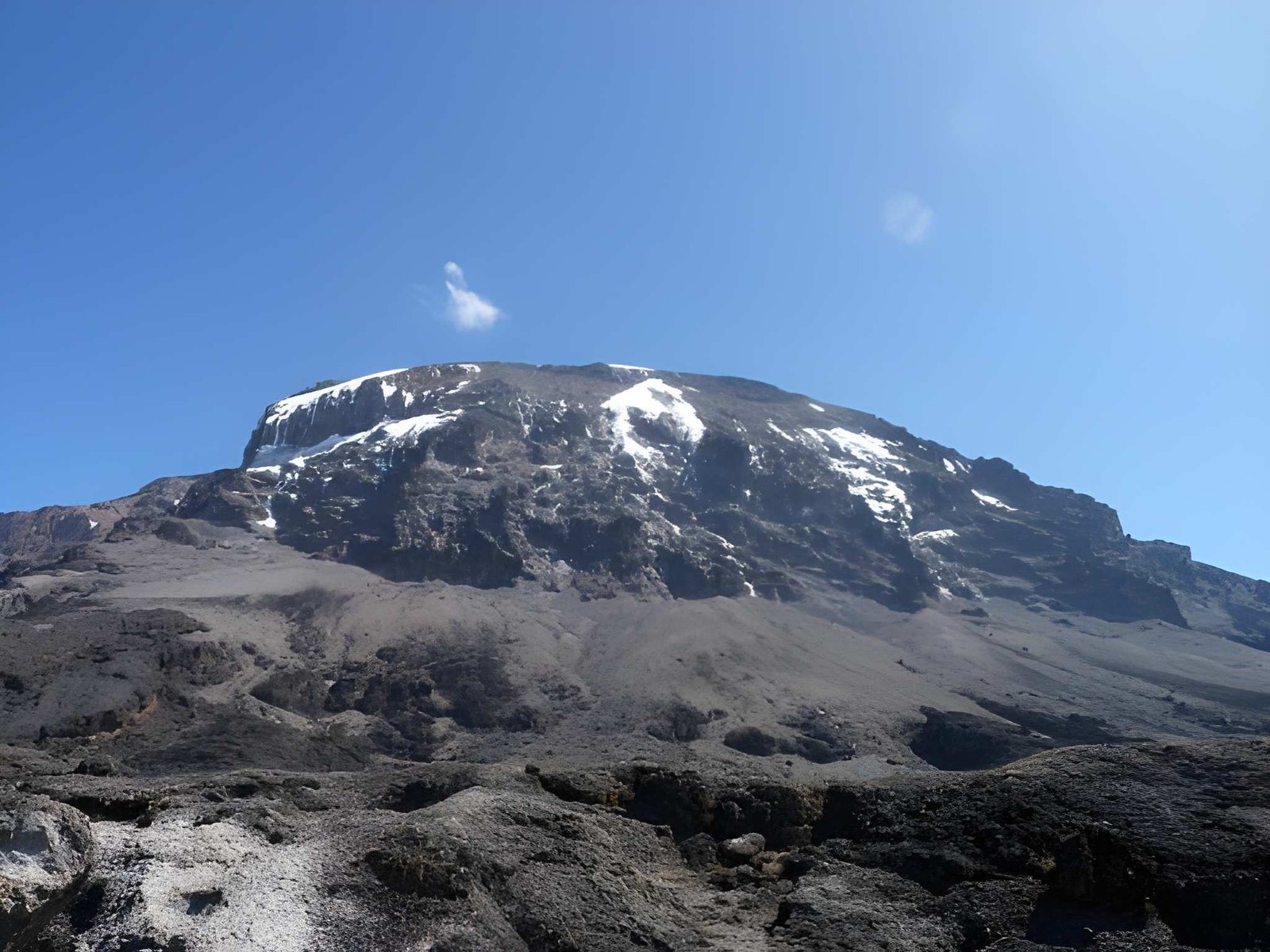
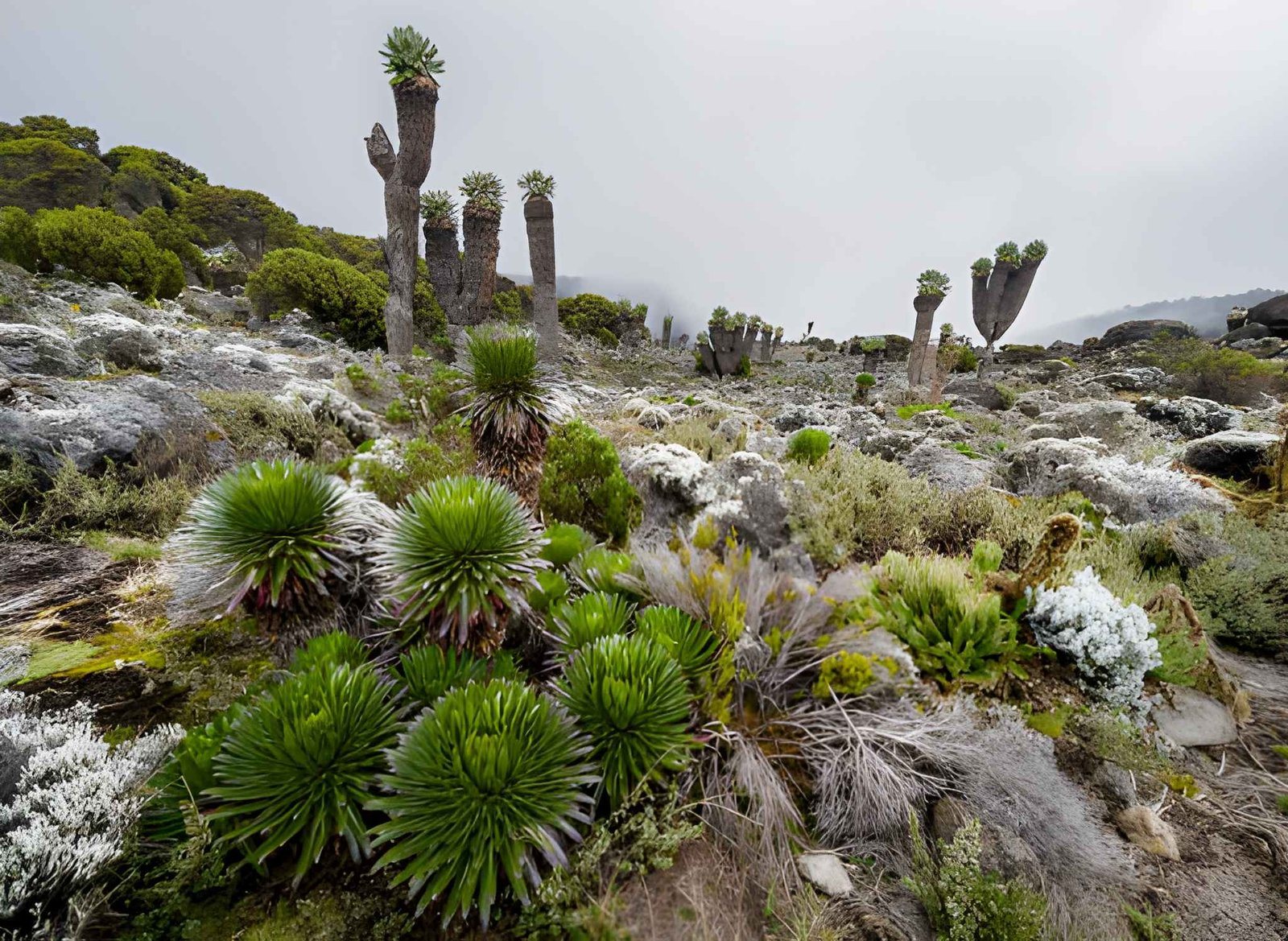
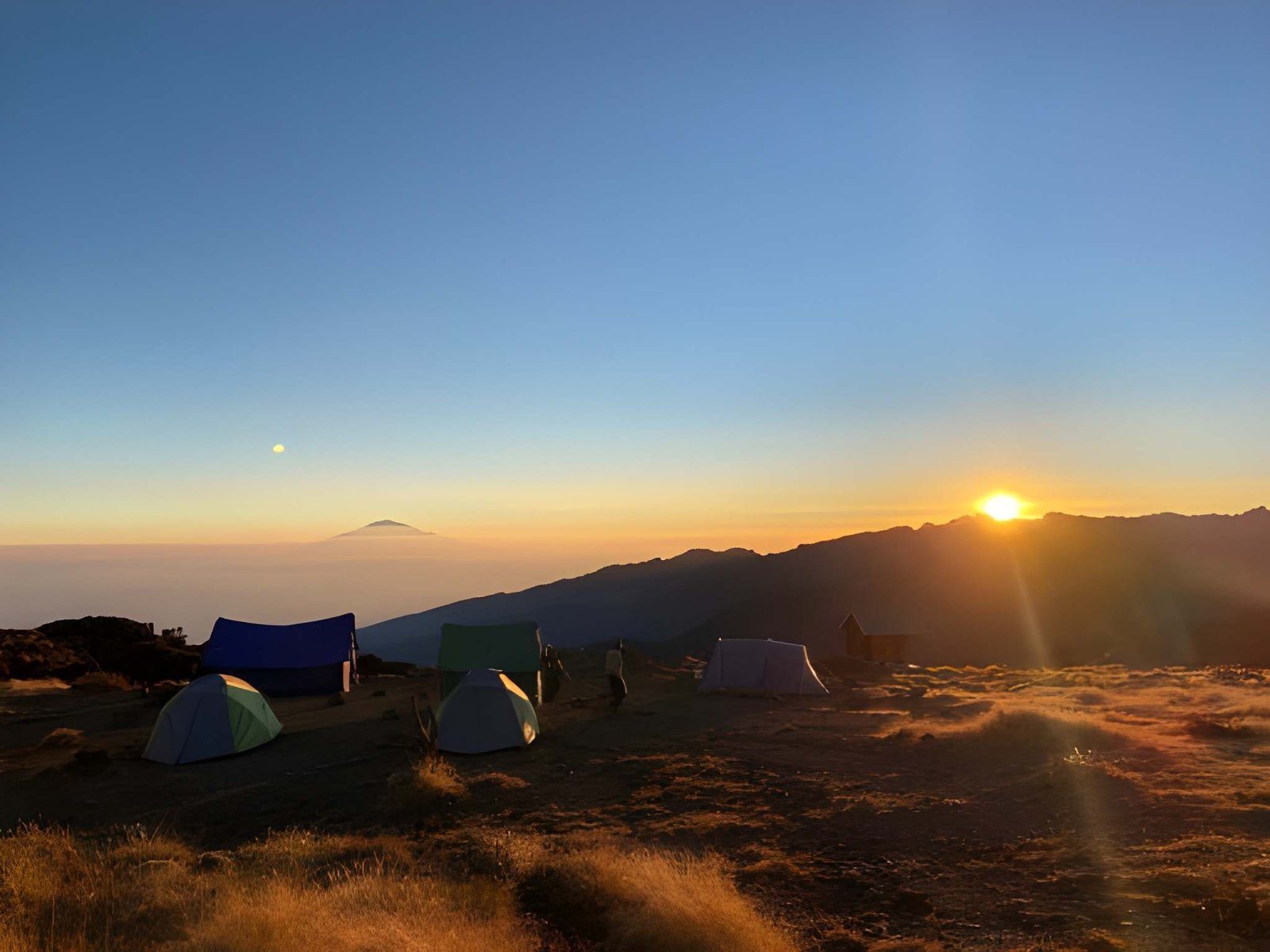
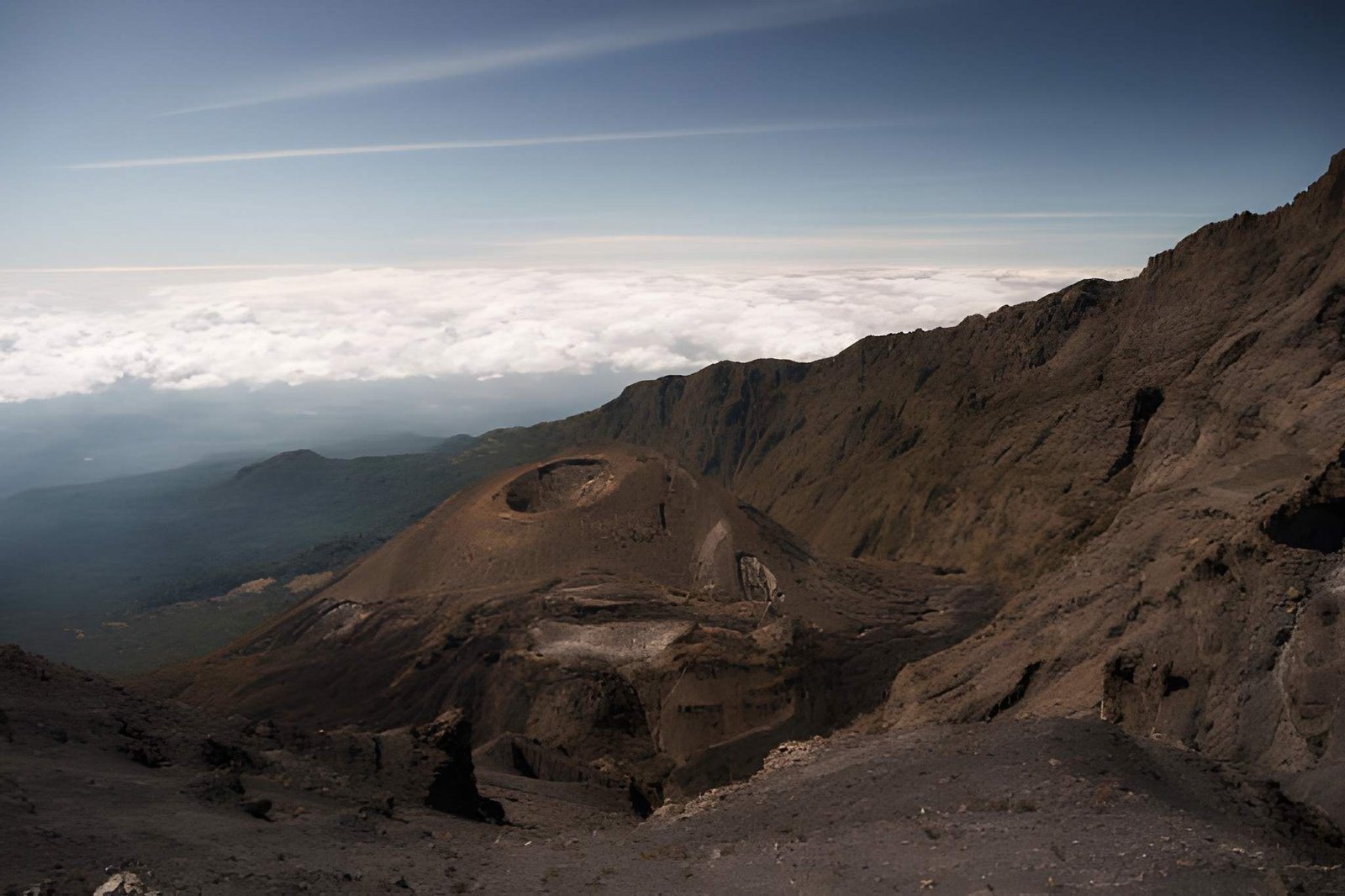
A climb takes you through five distinct climate zones in a matter of days — from farmland and rainforest on the lower slopes, through heather and moorland, across a high alpine desert, to the glaciers and ice cliffs of the summit. Each day brings a new landscape, and the night-time push to the summit, ending with sunrise over the clouds, is an experience few people ever forget.

Genet Expeditions is based in Moshi, the town at the foot of the mountain where most climbs begin. Our climbs are private and fully supported: experienced mountain guides, a cook, and porters who carry the tents, food and equipment, so you only carry a day pack. We hold a briefing and equipment check the evening before your climb and arrange your hotel nights before and after.

The most important decision is your route and the number of days. Longer itineraries give your body more time to adjust to the altitude, which is the main reason climbers do not reach the summit. Below you can compare the routes and choose the itinerary that suits you.

Climb with locals

Why climb with a Moshi team

  1. 01

    Kilimanjaro is our home

    We live and work at the foot of the mountain. Our guides have climbed it many times and know every route, campsite and change in the weather.

  2. 02

    Safety comes first

    Guides check your health twice a day, watch closely for signs of altitude sickness and will always put your wellbeing before the summit.

  3. 03

    Private climbs

    Your own guides and crew, at your pace. Climbing with friends or family? You stay together as one private group.

  4. 04

    Routes that suit you

    We help you choose the route and length that give you the best chance of success — not simply the cheapest or quickest.

  5. 05

    Respect for the crew

    Porters and crew are the heart of every climb. We support fair treatment, proper equipment and reasonable loads. See our responsible tourism approach.

  6. 06

    Before & after

    Hotel nights in Moshi, airport transfers, a Materuni waterfall day, a safari or Zanzibar afterwards — all arranged by one team.

Kilimanjaro climbs

Choose your route

Every climb is private, fully supported and led by our Moshi-based mountain guides. Longer itineraries give your body more time to acclimatise — and a better chance of reaching the summit.

Mount Meru

Climb Mount Meru

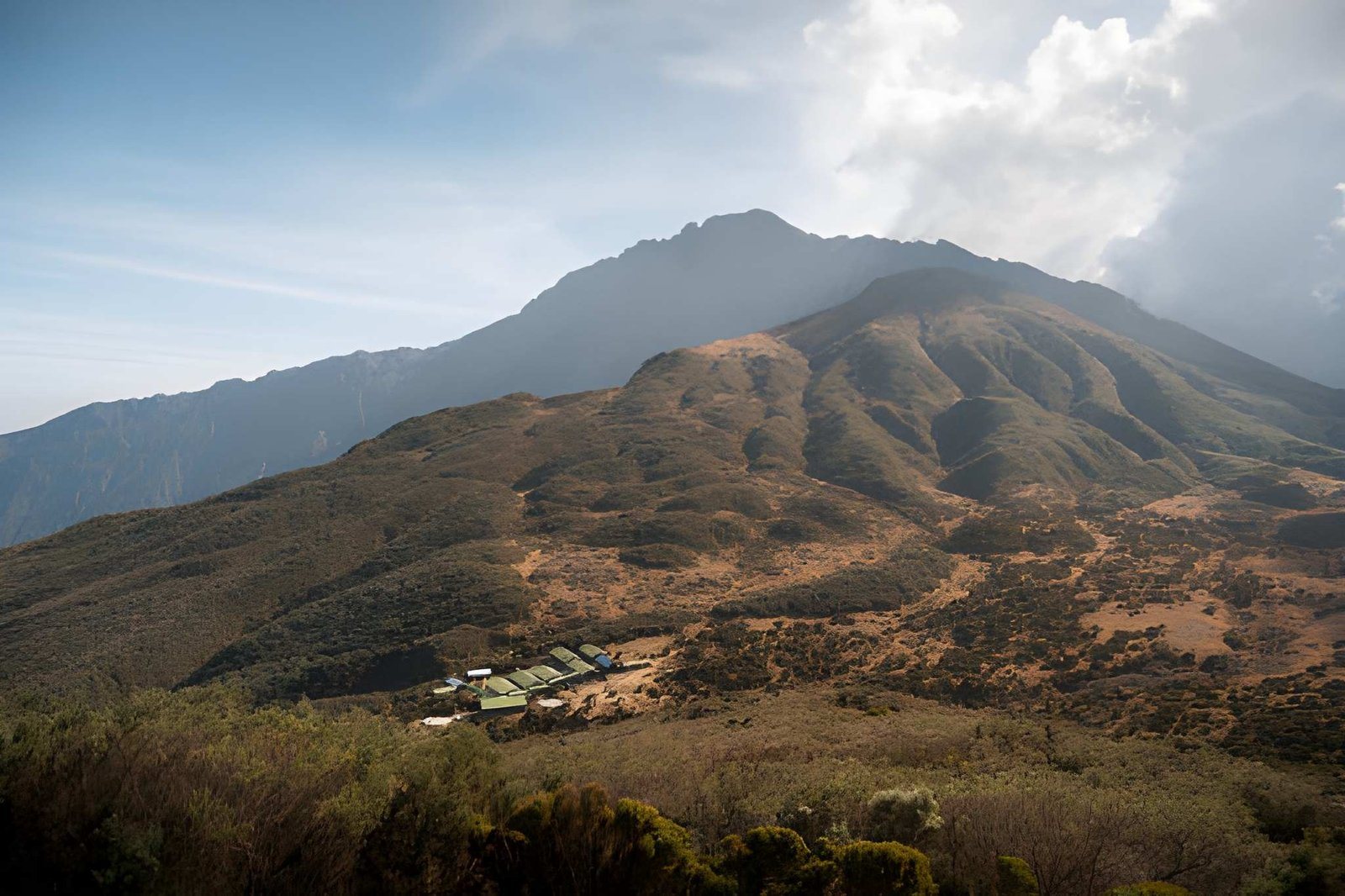
Tanzania’s second-highest mountain, inside Arusha National Park — a superb climb in its own right and ideal acclimatisation before Kilimanjaro.

Climbing guide

Preparing to climb Kilimanjaro

Everything you need to know before you go — and the questions our guides are asked most often in Moshi.

01

Which route is right for me?

The Machame route is the most popular: scenic, varied and well suited to climbers with some hiking experience. Lemosho begins on the quieter western side, crosses the Shira Plateau and is our favourite for its scenery and excellent acclimatisation. The Northern Circuit is the longest route, circling the mountain on its remote northern slopes — the best choice for acclimatisation and solitude.

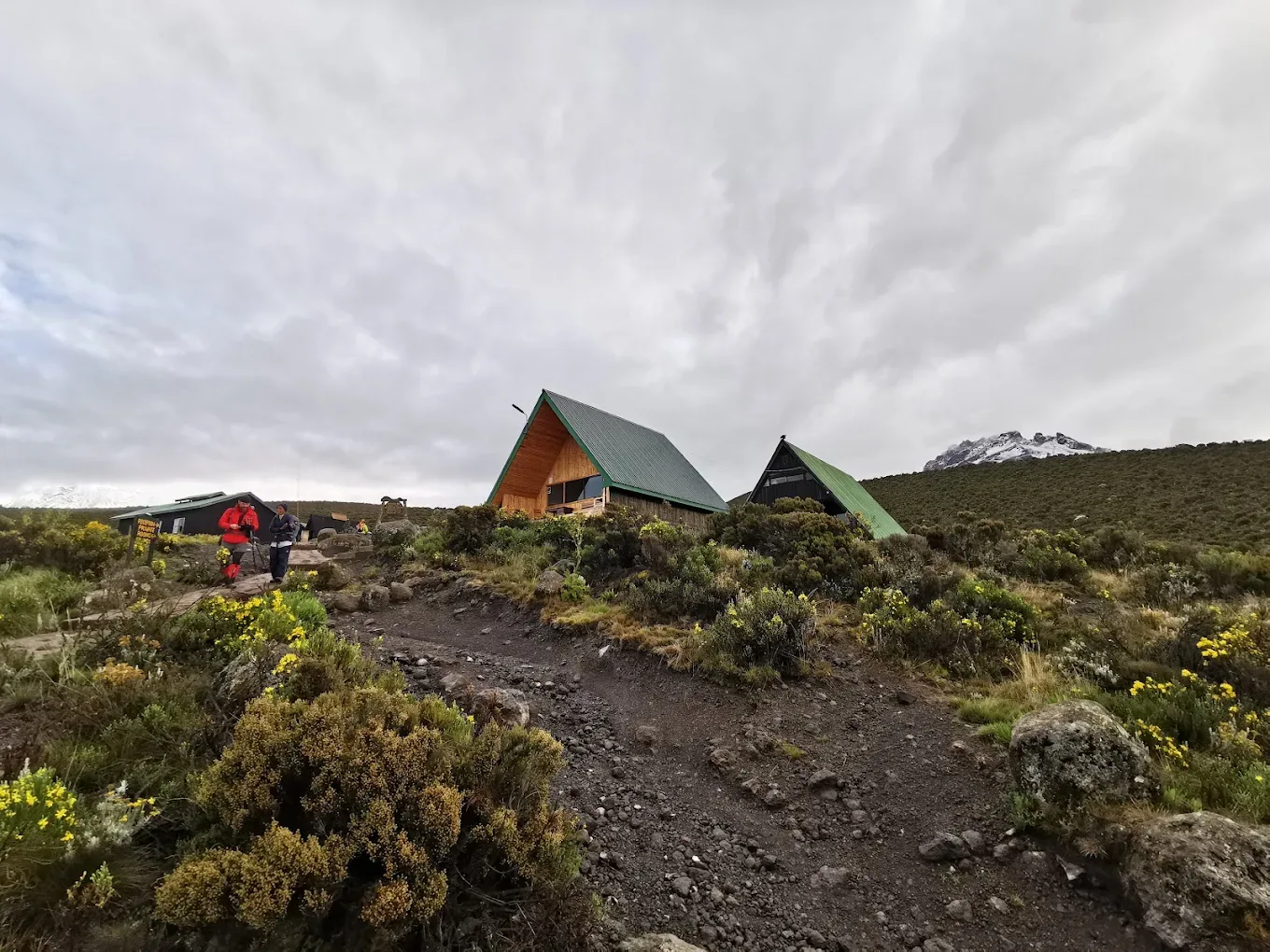
Rongai approaches from the north, near the Kenyan border; it is drier and quieter, a good option in the rainy months. Marangu is the only route with huts instead of tents. Umbwe is short and very steep, best for experienced trekkers who have already acclimatised.

02

How many days do I need?

Altitude, not fitness, is the biggest challenge on Kilimanjaro. Each extra day on the mountain gives your body more time to adjust, which improves your chances of reaching the summit and makes the climb more enjoyable. For most people we recommend at least seven days — for example the 7-day Machame or Lemosho — and eight or nine days if you can.

Shorter climbs are possible, but they leave less margin for adjustment. Climbing Mount Meru or spending time at altitude before Kilimanjaro is an excellent way to prepare.

03

Altitude & your health

Most climbers feel some effects of altitude, such as headaches, poor sleep or loss of appetite. The keys are to walk slowly — pole pole, as the guides say — drink plenty of water and climb high and sleep low where the route allows. Our guides monitor every climber twice a day and will advise you to descend if symptoms become serious.

Speak to your doctor before you travel, especially about medication for altitude and malaria. The CDC’s Tanzania page is a useful starting point.

04

How fit do I need to be?

You do not need to be an athlete, but you should be comfortable walking for six to eight hours a day over several days, often on steep and uneven ground. The best training is long hikes with a day pack, ideally on hills, in the months before your climb. Summit night is the hardest part: a slow walk of many hours through the cold and dark, so mental determination matters as much as fitness.

05

What should I pack?

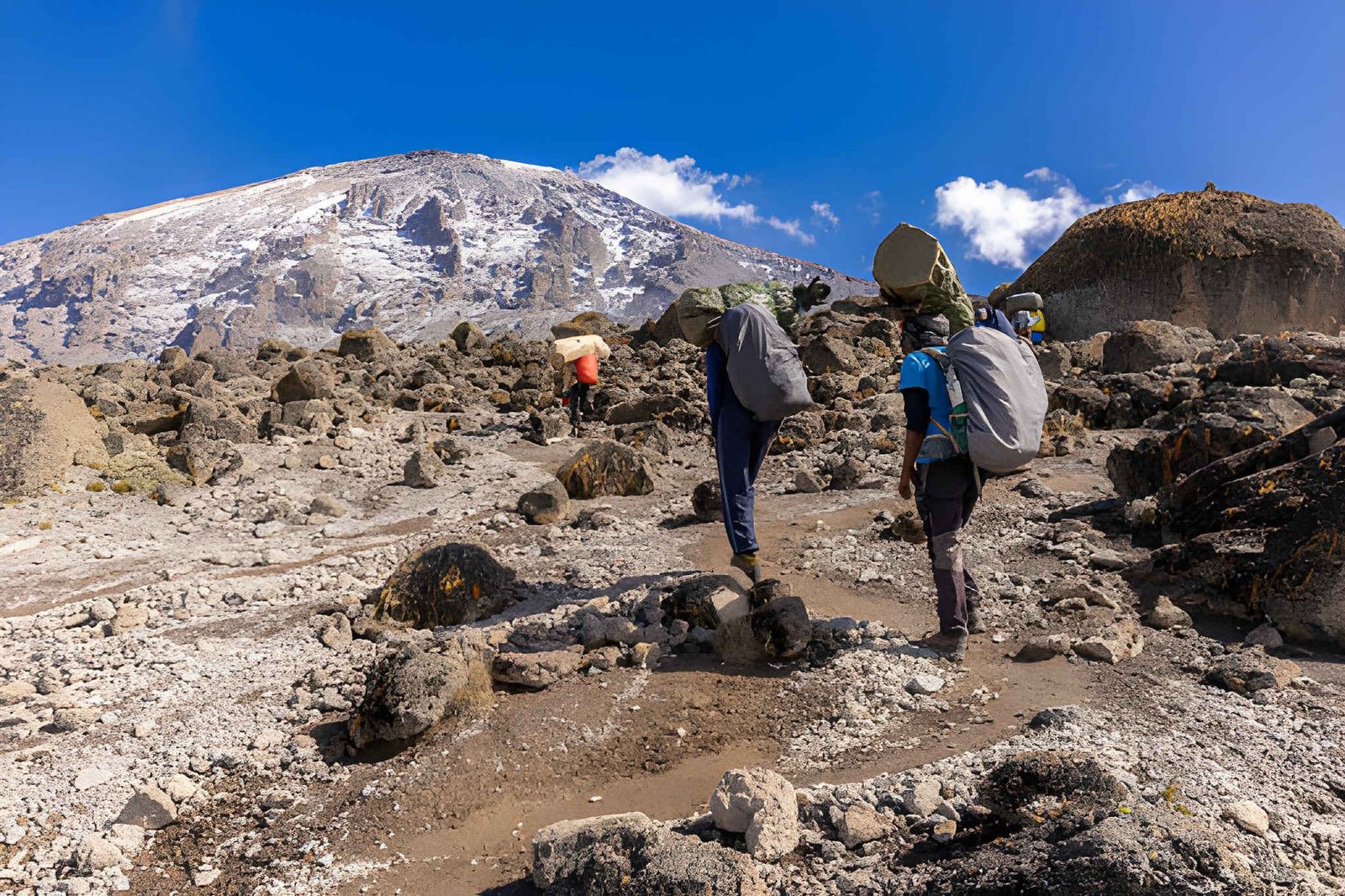
Temperatures range from warm and humid in the rainforest to well below freezing at the summit, so layers are essential: thermal base layers, a fleece, an insulated jacket, waterproofs, warm gloves and a hat. You also need sturdy, worn-in hiking boots, a good sleeping bag and a head torch. Porters carry your main bag; you carry a day pack with water, snacks, sun protection and a warm layer.

We send a full packing list when you book, and good-quality gear can be rented in Moshi. Our Kilimanjaro preparation guide has more detail.

06

Life on the mountain

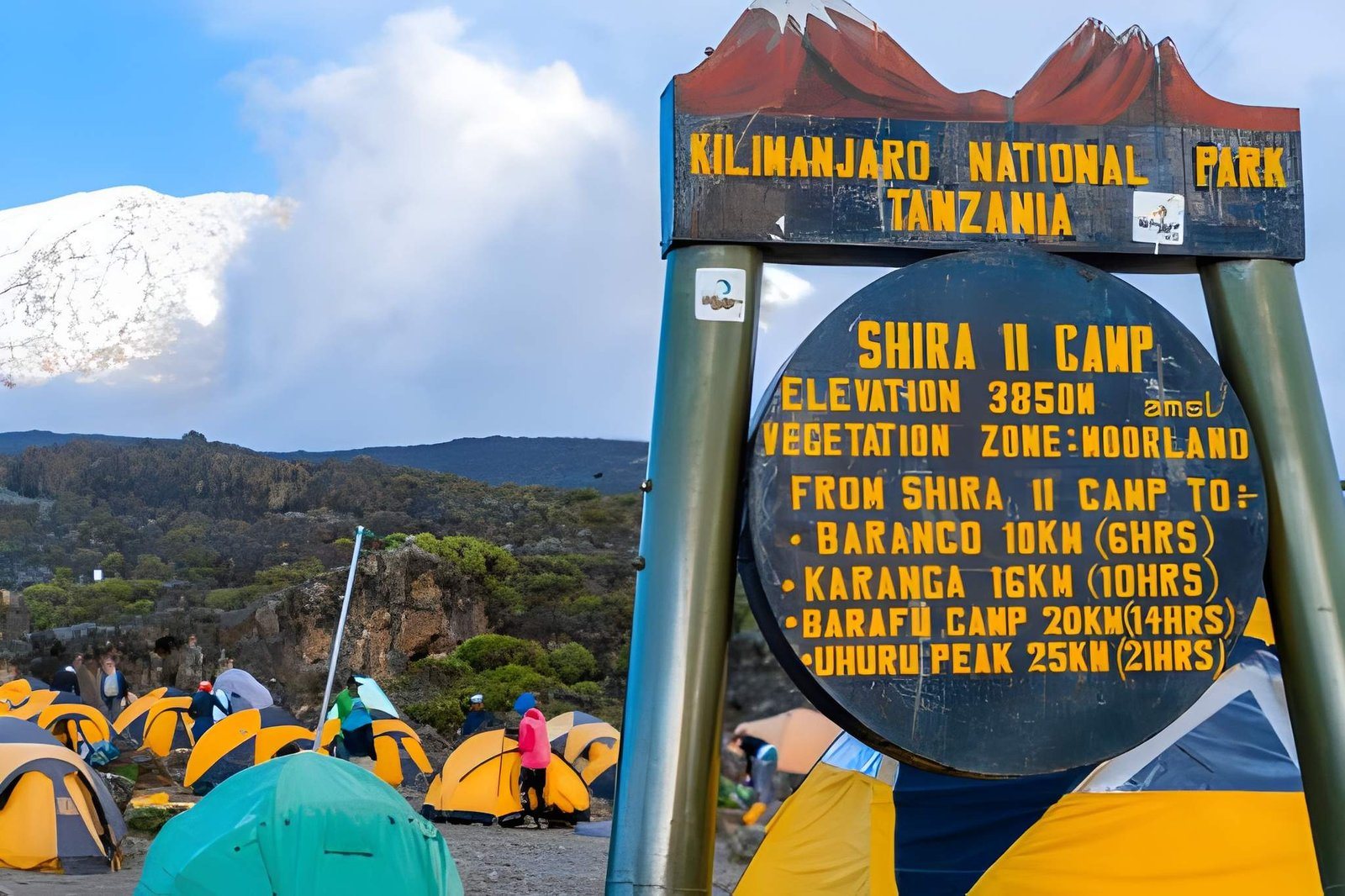
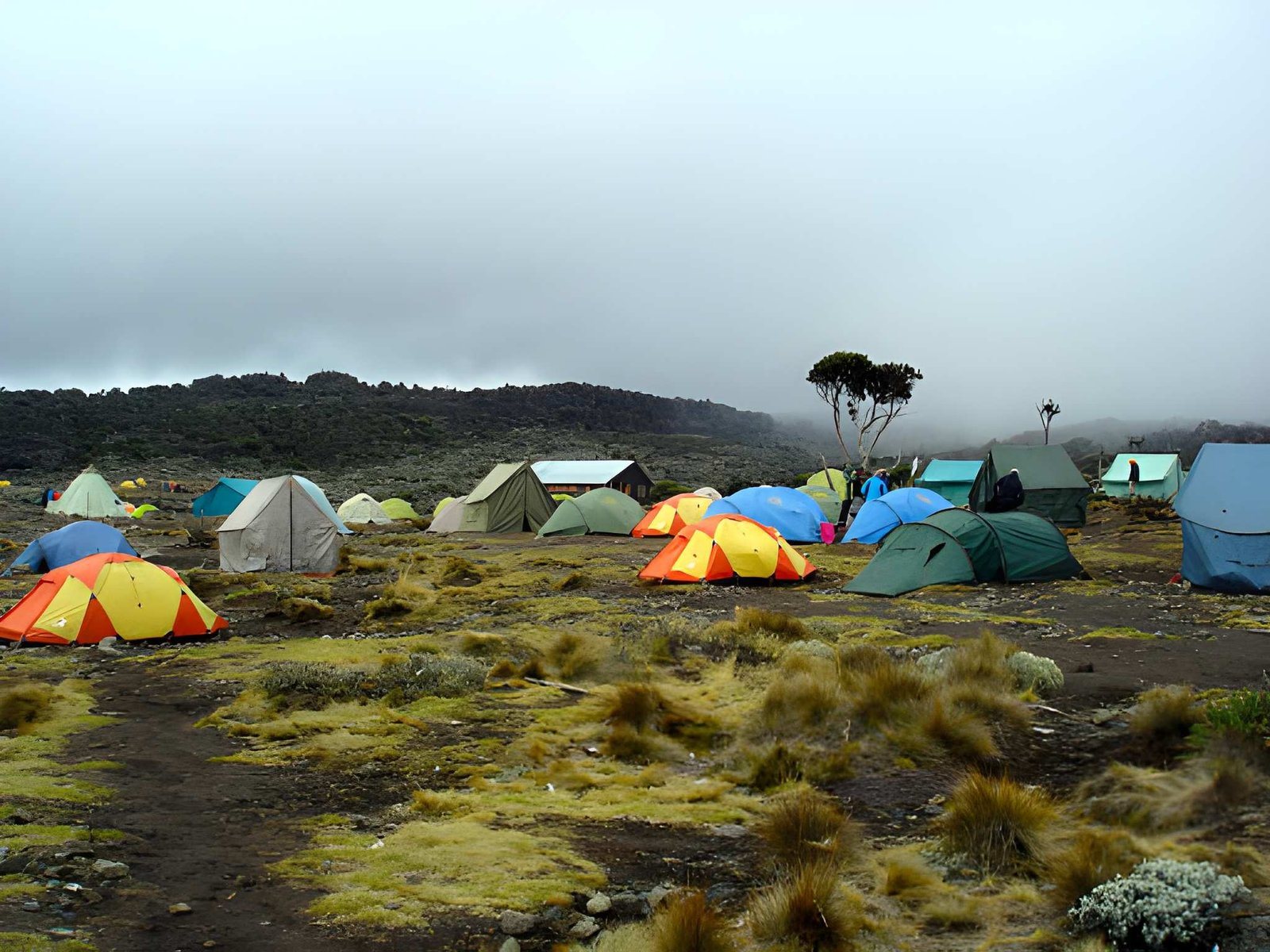
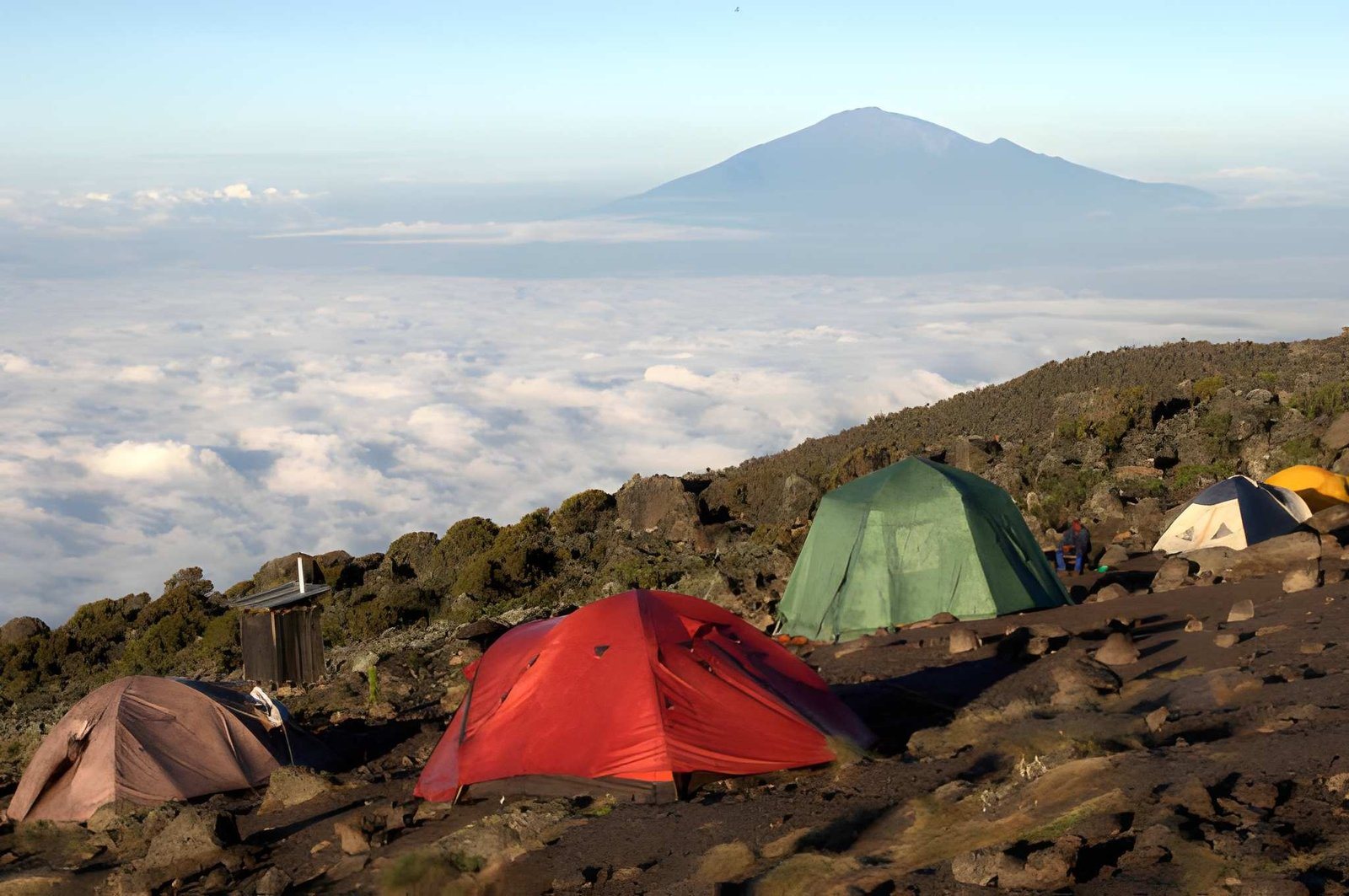
On camping routes, your crew sets up sleeping tents and a dining tent before you arrive at each camp. Days start with hot drinks and breakfast, followed by four to seven hours of walking with regular breaks. Afternoons are for rest, acclimatisation walks and an early dinner. Water is treated for drinking, and meals are cooked fresh by your mountain cook.

Summit night begins around midnight. After a few hours of climbing you reach the crater rim, and then Uhuru Peak at around sunrise — before descending to a lower camp the same day.

Compare routes

Kilimanjaro routes compared

Each route has its own character. Longer routes allow better acclimatisation; the number of days shown is what we offer for each route.

RouteDays we offerScenery & characterAccommodationBest for
Machame 6–7 days Varied and scenic; the popular “whiskey route” Tents Fit hikers wanting variety
Lemosho 7–8 days Quiet western start, Shira Plateau, superb views Tents Scenery and acclimatisation
Northern Circuit 9–10 days Longest and most remote, circling the north Tents Best acclimatisation, solitude
Rongai 6–7 days Northern approach, drier and quieter Tents Rainy months, quieter trails
Marangu 5–6 days Classic route, same path up and down Huts Those who prefer huts
Umbwe 5–6 days Very steep and direct Tents Experienced, acclimatised trekkers

Not sure which to choose? Tell us about your hiking experience and we will recommend a route.

Your climb

How a Kilimanjaro climb works

  1. 1

    Arrive in Moshi

    We meet you at Kilimanjaro Airport and take you to your hotel in Moshi to rest.

  2. 2

    Briefing & kit check

    Your guide explains the route, checks your equipment and answers every question.

  3. 3

    Climb with your crew

    Guides, a cook and porters support you every step, with daily health checks.

  4. 4

    Summit & celebrate

    Reach Uhuru Peak, descend, receive your certificate and return to Moshi for a hot shower.

Guest reviews

In our guests’ words

When to go

The best time to climb Kilimanjaro

Kilimanjaro can be climbed all year, but the most popular months are January to early March and June to October, when the weather is generally drier and the skies clearer. January to March tends to be a little warmer and quieter; June to October is cooler and busier.

The long rains, from around late March to May, bring wet trails and more cloud, and fewer people climb at this time. November brings the short rains. In the wetter months, the Rongai route on the drier northern side can be a good choice. Whenever you climb, conditions near the summit are cold, often well below freezing at night.

Kilimanjaro National Park · seasons by month
  1. Jan
  2. Feb
  3. Mar
  4. Apr
  5. May
  6. Jun
  7. Jul
  8. Aug
  9. Sep
  10. Oct
  11. Nov
  12. Dec
  • Dry season
  • Green season
  • Short rains
  • Long rains
Month-by-month guide to Kilimanjaro National Park →
Questions

Kilimanjaro climbing FAQs

Still have a question? Our team in Moshi answers within 24 hours.

Ask on WhatsApp
How long does it take to climb Kilimanjaro?

Between five and ten days on the mountain, depending on the route. We recommend at least seven days for the best chance of reaching the summit.

Which is the best route up Kilimanjaro?

For most climbers we recommend the 7-day Machame, the 7 or 8-day Lemosho or the 9-day Northern Circuit. All three allow good acclimatisation and beautiful scenery.

Do I need climbing experience?

No technical climbing is required. You should be comfortable walking for several hours a day over several days, and training with long hikes beforehand helps a lot.

What is the biggest risk on Kilimanjaro?

Altitude sickness. Walking slowly, drinking plenty of water and choosing a longer route all help. Our guides check your health twice daily and will advise descent if needed.

Can I rent equipment in Moshi?

Yes. Sleeping bags, jackets, poles and other gear can be rented in Moshi. We check your equipment at the briefing the evening before the climb.

How much should I tip the crew?

Tipping is customary and an important part of crew income. We send guidance on recommended amounts when you book, so you can plan ahead.

Can I combine a climb with a safari or Zanzibar?

Yes — many climbers follow the mountain with a few days on safari or relaxing on Zanzibar. We arrange everything as one trip.

Start planning

Start planning your Kilimanjaro climb

Tell us when you would like to climb and about your hiking experience. Our Moshi team will recommend a route and reply within 24 hours.

WhatsApp us

We reply within 24 hours. Your details are only used to plan your trip.