


+255 762 032 480 [email protected] Every day · 08:00 – 18:00 EAT
EN
Lemosho (4)
Kilimanjaro climb · 6 Days / 5 Nights

6-Day Rongai Route Kilimanjaro Climb

Discover Kilimanjaro’s quieter northern wilderness, trek through remarkable volcanic landscapes and follow the scenic Rongai Route towards Uhuru Peak, the Roof of Africa.

Duration
6 Days / 5 Nights
Style
Camping climb · northern approach
Destinations
Rongai · Kikelewa · Mawenzi Tarn · Kibo · Uhuru Peak · Marangu
Start / end
Rongai Gate / Marangu Gate
Difficulty
Challenging
Max altitude
5,895 m / 19,341 ft
From
$1,950 pp
Tour overview

6-Day Rongai Route Kilimanjaro Climb

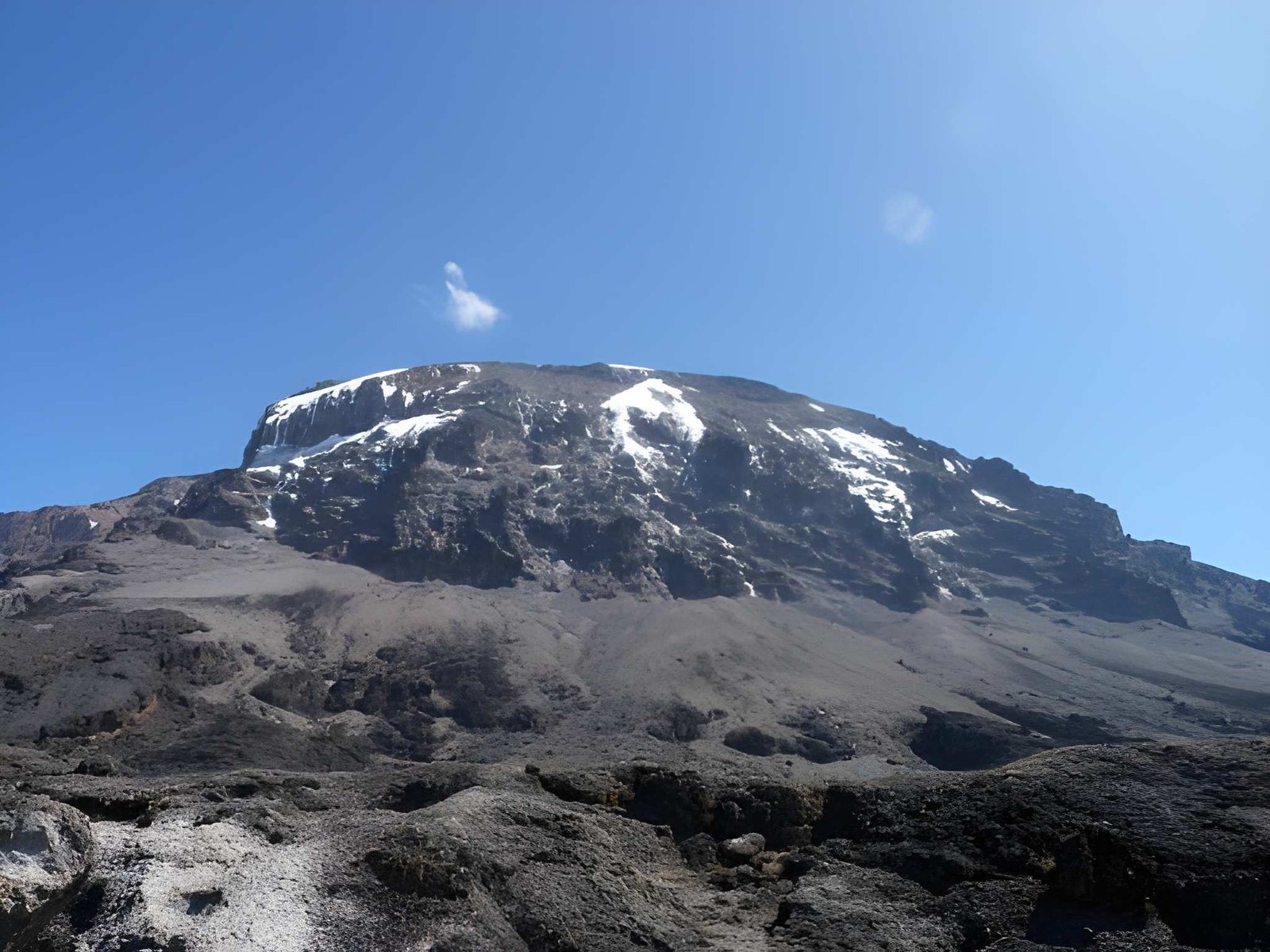
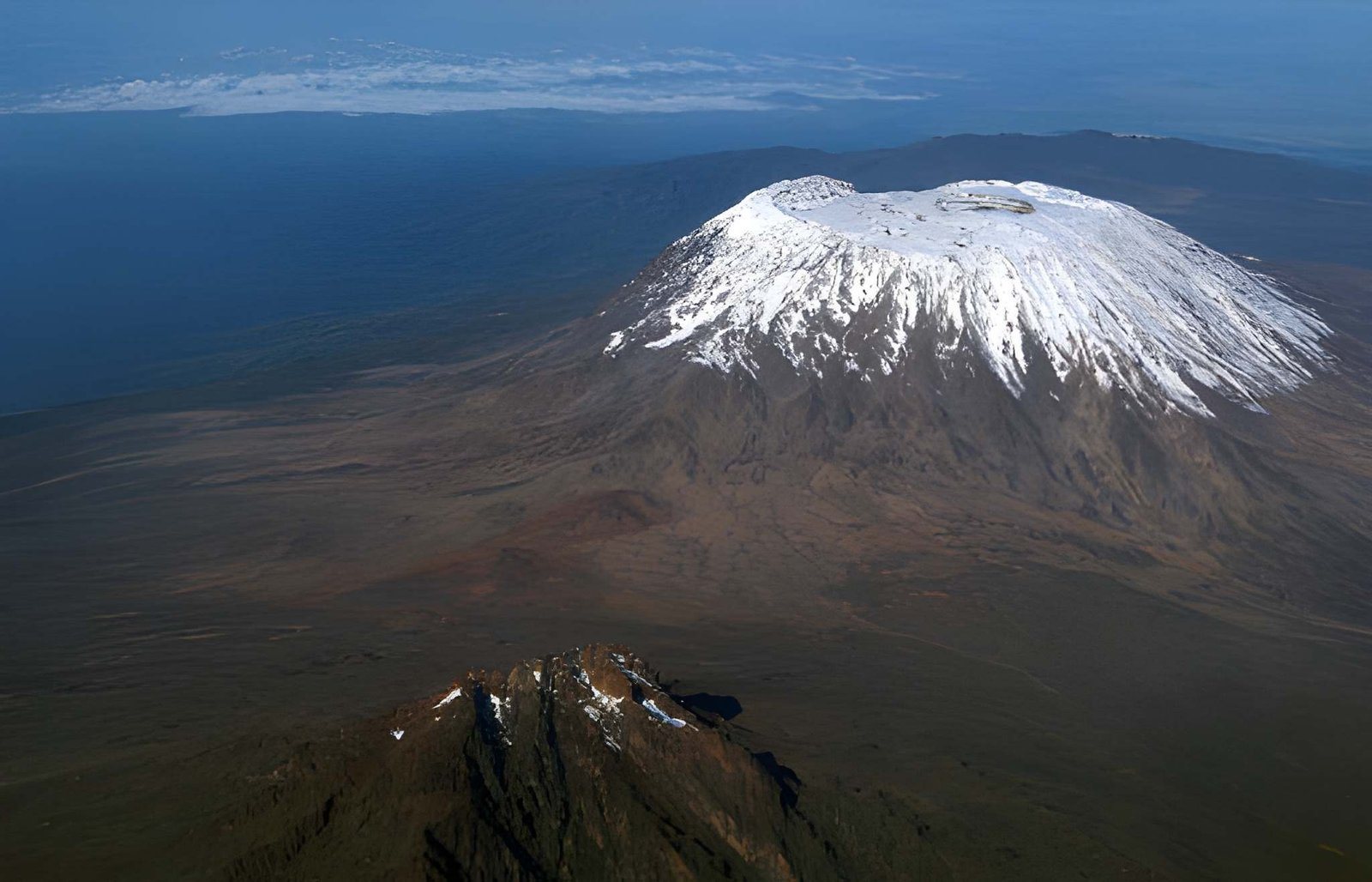
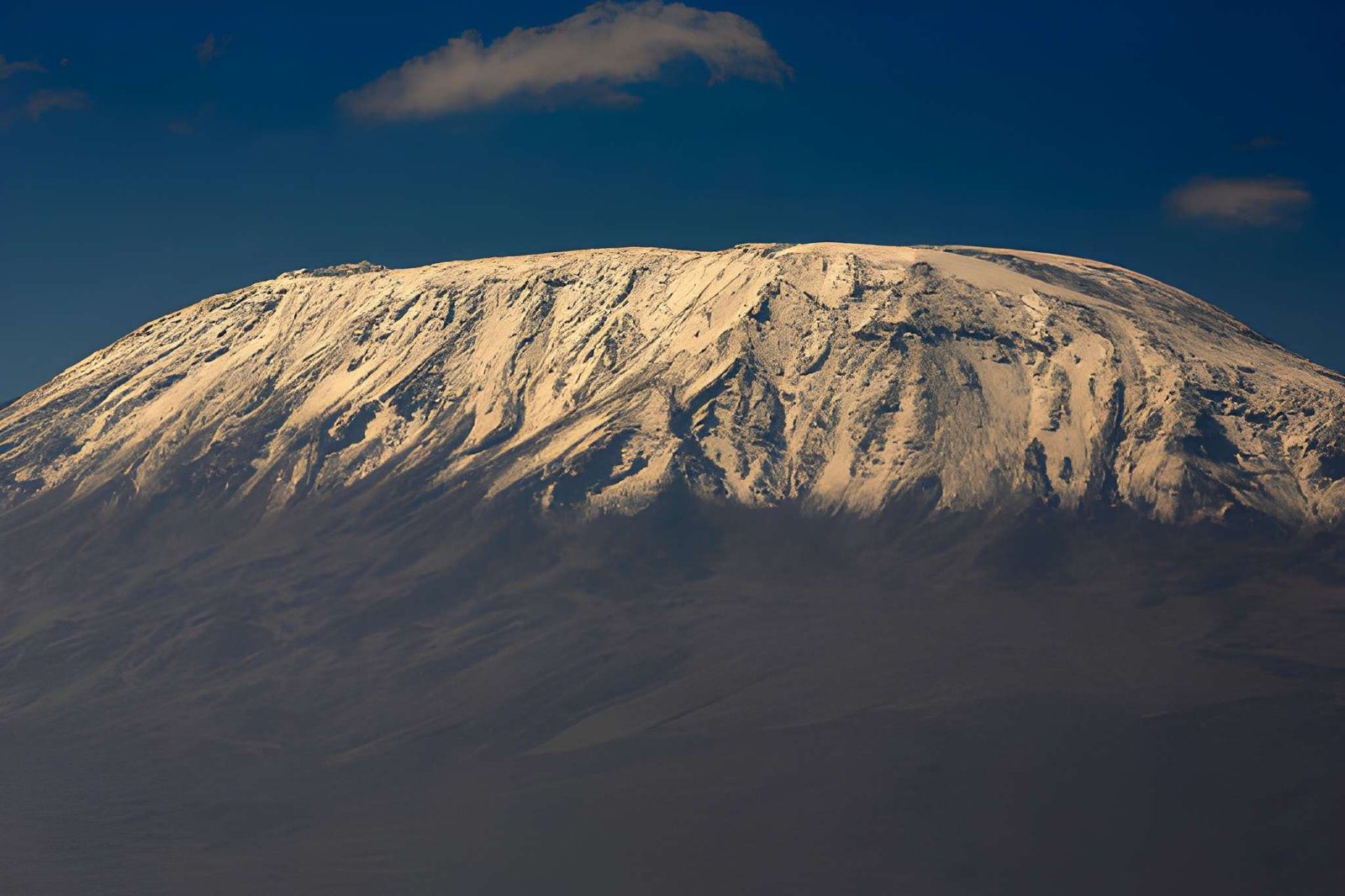
Discover the quieter northern slopes of Africa’s highest mountain on this six-day climb from the Rongai area near the Tanzania–Kenya border. Unlike Machame and Lemosho, which approach from the south and west, Rongai reveals a different side of Kilimanjaro: open wilderness, volcanic ridges and remarkable views of Mawenzi Peak. From Rongai Gate, the trail climbs gradually from cultivated foothills and montane forest into moorland and rugged alpine country — a quieter start for travellers who want to see the north side of the mountain, with professional guides and crew throughout.

The route climbs to Simba Camp (about 2,625 m), then past Second Cave to Kikelewa Camp, with ever finer views of Kibo and Mawenzi. One of the most memorable stages leads to Mawenzi Tarn Camp, beneath Mawenzi’s dramatic volcanic spires. The next day crosses the vast alpine Saddle between Mawenzi and Kibo to the Kibo Hut area, ready for the night climb to Gilman’s Point and, conditions permitting, Uhuru Peak at 5,895 m. You then descend to Horombo Hut and through the rainforest to Marangu Gate.

This climb suits physically prepared travellers who want a distinctive Kilimanjaro experience with quieter early trails. The lower slopes are sometimes described as gradual, but the climb is still demanding, with steep sections, rocky ground, cold conditions and a strenuous summit night. Six days give limited time to acclimatize compared with the seven-day Rongai, so careful pacing and health checks are especially important. Your Genet Expeditions team sets a steady pace and bases every decision on the weather, the trail and each climber’s health.

Destination guides:KilimanjaroMoshi
Tour highlights

What makes this climb special

  1. 01

    Africa’s highest summit

    Follow the established summit trail to Uhuru Peak at 5,895 m.

  2. 02

    The quiet northern slopes

    A route that often sees fewer trekkers on its early stages.

  3. 03

    Dramatic Mawenzi Peak

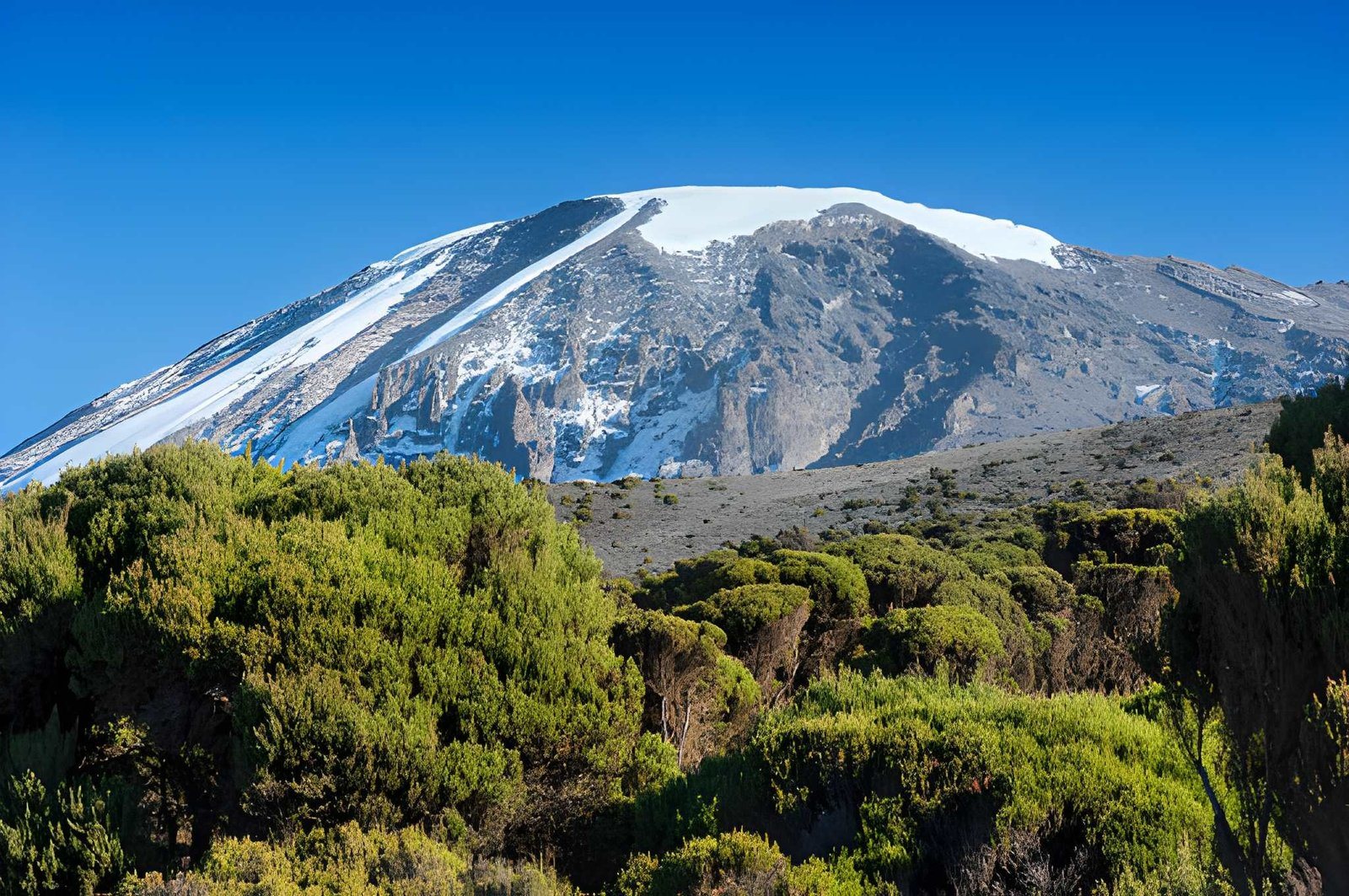
    Remarkable views of Mawenzi’s rugged ridges and rocky spires.

  4. 04

    Mawenzi Tarn Camp

    A night beneath Mawenzi, surrounded by spectacular scenery.

  5. 05

    The alpine Saddle

    Cross the vast high plain between Mawenzi and Kibo.

  6. 06

    The crater rim

    Climb to Gilman’s Point and on to Uhuru when conditions allow.

Day by day

Your climb, day by day

6 days on the mountain, 5 nights — paced for acclimatization, with your guide checking every climber daily.

Ascent profileAltitude day by dayApproximate altitudes · the summit is a daytime high point, not a camp
2,0003,0004,0005,0006,000Day 1Day 2Day 3Day 4Day 5Day 6Rongai Gate1,950 mSimba Camp2,625 mKikelewa Camp3,600 mMawenzi Tarn Camp4,315 mKibo camp area4,700 mUhuru Peak5,895 mHorombo Hut3,720 mMarangu Gate1,860 m
Kilimanjaro’s Northern Wilderness
Day01
  • MealsLunch & dinner
  • TonightSimba Camp
  • DistanceApprox. 7 km
  • Walking time3–4 hours
  • Sleeping altitude2,625 m

Rongai GateSimba Camp

Kilimanjaro’s Northern Wilderness

Your climb begins with a transfer from Moshi or Arusha to Rongai Gate on Kilimanjaro’s northern side, near the Kenyan border, through rural villages and farmland. Your guide completes park registration, permit checks and final equipment checks, then sets off along a trail through cultivated foothills and montane vegetation — a quieter side of the mountain than the busier southern routes.

As the vegetation changes, the views of the northern slopes open up. Your guide sets a comfortable pace with regular drinks and rests. After three to four hours, reach Simba Camp (about 2,625 m), where your crew has pitched the tents. Enjoy a warm dinner and a briefing on tomorrow’s walk via Second Cave to Kikelewa Camp.

Tonight on the mountainSame for every comfort level
2,625mMountain campingSimba Camp
Across the Northern Moorlands
Day02
  • MealsBreakfast, lunch & dinner
  • TonightKikelewa Camp
  • DistanceApprox. 12 km
  • Walking time6–8 hours
  • Sleeping altitude3,600 m

Simba CampSecond CaveKikelewa Camp

Across the Northern Moorlands

After breakfast, head towards Second Cave through open heathland as the vegetation shortens and the landscape grows more rugged, with volcanic rocks and high-altitude plants. In clear weather Kibo and Mawenzi dominate the view. The northern slopes are often peaceful, letting you enjoy the changing scenery at a steady pace.

Beyond Second Cave, the trail climbs gradually through moorland to Kikelewa Camp (about 3,600 m), with fine views of Mawenzi along the way — six to eight hours in all. Settle into your tent for a warm meal, health checks and a briefing on tomorrow’s climb to Mawenzi Tarn, one of the most spectacular camps on the route.

Tonight on the mountainSame for every comfort level
3,600mMountain campingKikelewa Camp
Beneath the Dramatic Mawenzi Peak
Day03
  • MealsBreakfast, lunch & dinner
  • TonightMawenzi Tarn Camp
  • DistanceApprox. 5 km
  • Walking time4–5 hours
  • Sleeping altitude4,315 m

Kikelewa CampMawenzi Tarn Camp

Beneath the Dramatic Mawenzi Peak

After breakfast, climb towards Mawenzi Tarn into a dramatic landscape of volcanic rock and sparse vegetation. Mawenzi’s jagged spires grow ever more impressive, and steeper sections call for a slow, steady pace with regular rests while your guide watches how everyone is adjusting.

After four to five hours, reach Mawenzi Tarn Camp (about 4,315 m), set beside a small tarn beneath Mawenzi’s volcanic ridges. After a warm meal, rest — or, if your guide thinks it wise, take a short acclimatization walk nearby. Health checks and a briefing on tomorrow’s crossing of the Saddle follow before dinner.

Tonight on the mountainSame for every comfort level
4,315mHigh-altitude campingMawenzi Tarn Camp
Crossing the Alpine Saddle
Day04
  • MealsBreakfast, lunch & dinner
  • TonightKibo camp area
  • DistanceApprox. 8 km
  • Walking time5–6 hours
  • Sleeping altitude4,700 m

Mawenzi Tarn CampKibo Hut area

Crossing the Alpine Saddle

After breakfast, cross the vast alpine Saddle between Mawenzi and Kibo — one of Kilimanjaro’s most distinctive landscapes of volcanic gravel, rock and almost no vegetation. The ground is open and exposed, temperatures are colder and the weather can change quickly, so your guide keeps a slow, steady pace with regular drinks.

Reach the Kibo Hut area (about 4,700 m) after five to six hours and settle into your designated camping area, where your crew prepares camp and meals. After a warm meal, your guide gives a full briefing on the night’s summit attempt and assesses whether each climber is fit to continue. Rest, drink well and prepare your summit kit before an early night.

Tonight on the mountainSame for every comfort level
4,700mHigh-altitude campingKibo camp area
Summit Attempt and Descent to Horombo
Day05
  • MealsBreakfast, lunch & dinner
  • TonightHorombo Hut
  • DistanceApprox. 21 km
  • Walking time12–16+ hours
  • Highest pointUhuru Peak · 5,895 m
  • Sleeping altitude3,720 m

KiboGilman’s PointUhuru PeakHorombo Hut

Summit Attempt and Descent to Horombo

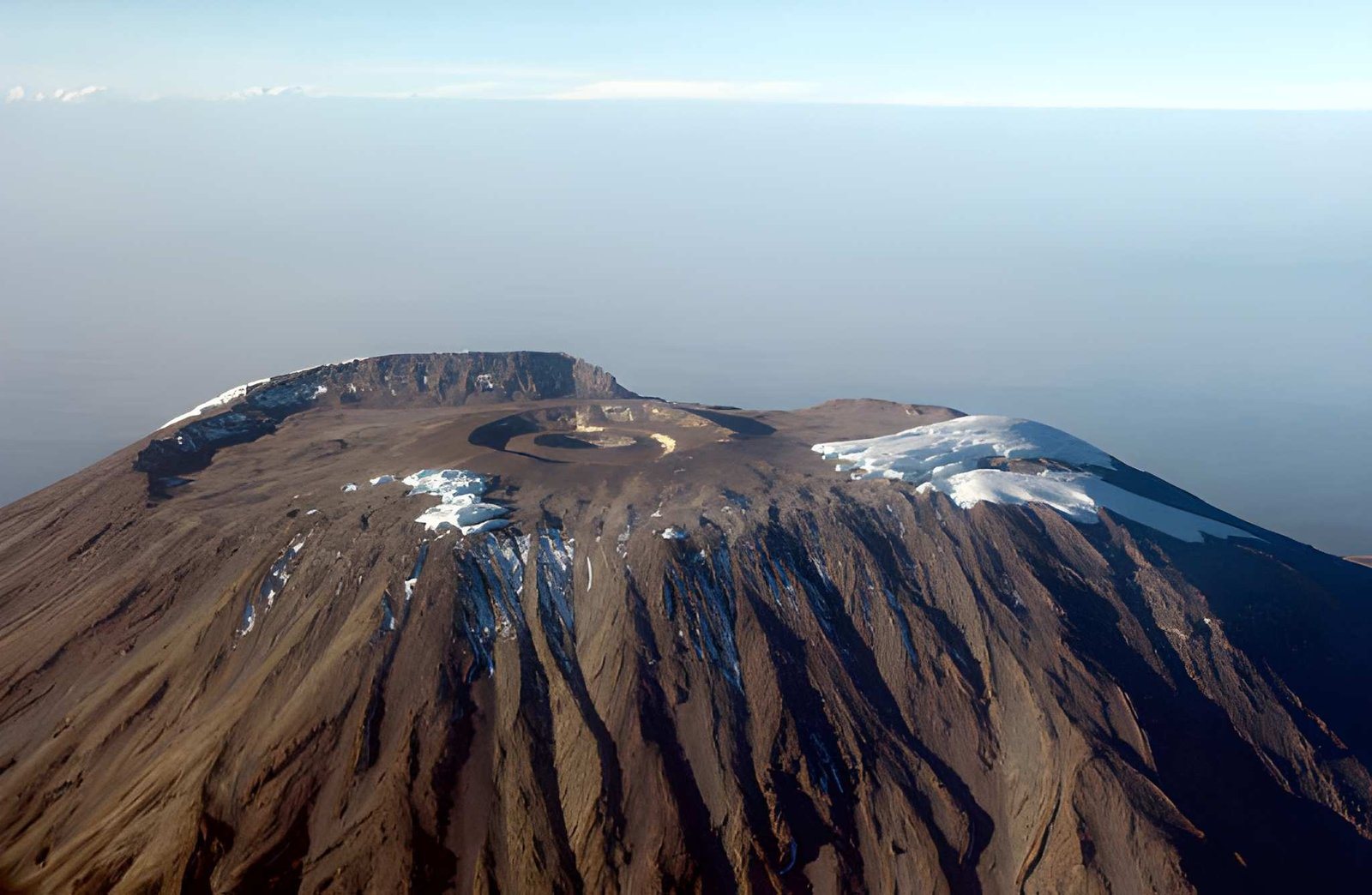
Your summit attempt usually starts around midnight after a short rest at the Kibo area. After a light snack, climb steeply by headlamp through loose volcanic scree — cold, dark and at extreme altitude, this is the hardest stage of the climb. Your guide sets a slow, controlled pace and checks each climber regularly. The first goal is Gilman’s Point on the crater rim (about 5,685 m). If the weather, the trail and your health allow, continue along the rim to Uhuru Peak (5,895 m), the highest point in Africa, with views over the crater and the remaining ice fields. Reaching the summit is never guaranteed, and your guide’s safety decisions always come first.

From your highest safe point, descend carefully to Kibo Hut for a rest and a meal, then continue down through the alpine desert to Horombo Hut (about 3,720 m) as the air thickens and the vegetation returns. With the ascent and descent combined, this is an exceptionally long day of twelve to sixteen hours or more. Arrive for a warm dinner and a well-earned night’s rest after one of the most memorable days of your life.

Tonight on the mountainSame for every comfort level
3,720mShared mountain hutHorombo Hut
Final Descent Through the Rainforest
Day06
  • MealsBreakfast & lunch
  • TonightTransfer to Moshi or Arusha
  • DistanceApprox. 20 km
  • Walking time5–7 hours
  • Finishing altitude1,860 m

Horombo HutMarangu Gate

Final Descent Through the Rainforest

After breakfast, descend through the moorland and heathland, past Mandara Hut and back into the lush rainforest. The walking is easier on the lungs, but the long downhill stretch can be tiring after summit day, so your guide keeps a comfortable pace with time for rests, photographs and a last look at the mountain.

Reach Marangu Gate after five to seven hours, where your guide completes the park exit formalities and eligible climbers receive their summit certificate for the highest official point reached. Say farewell to your mountain crew and transfer back to your hotel in Moshi or Arusha to celebrate the end of your six-day Rongai Route climb with Genet Expeditions.

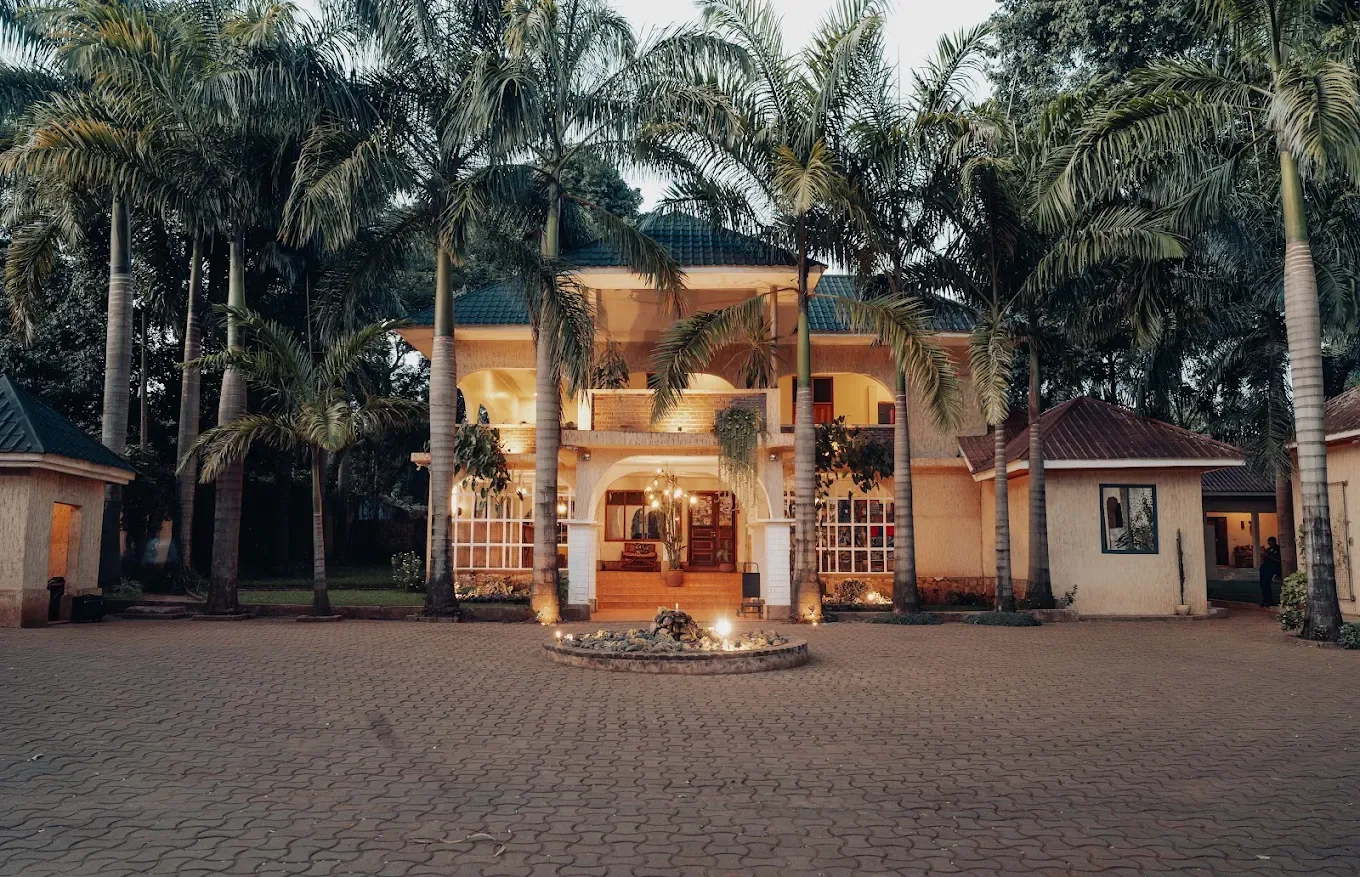
Optional hotel after your climbMoshi · optional, not included

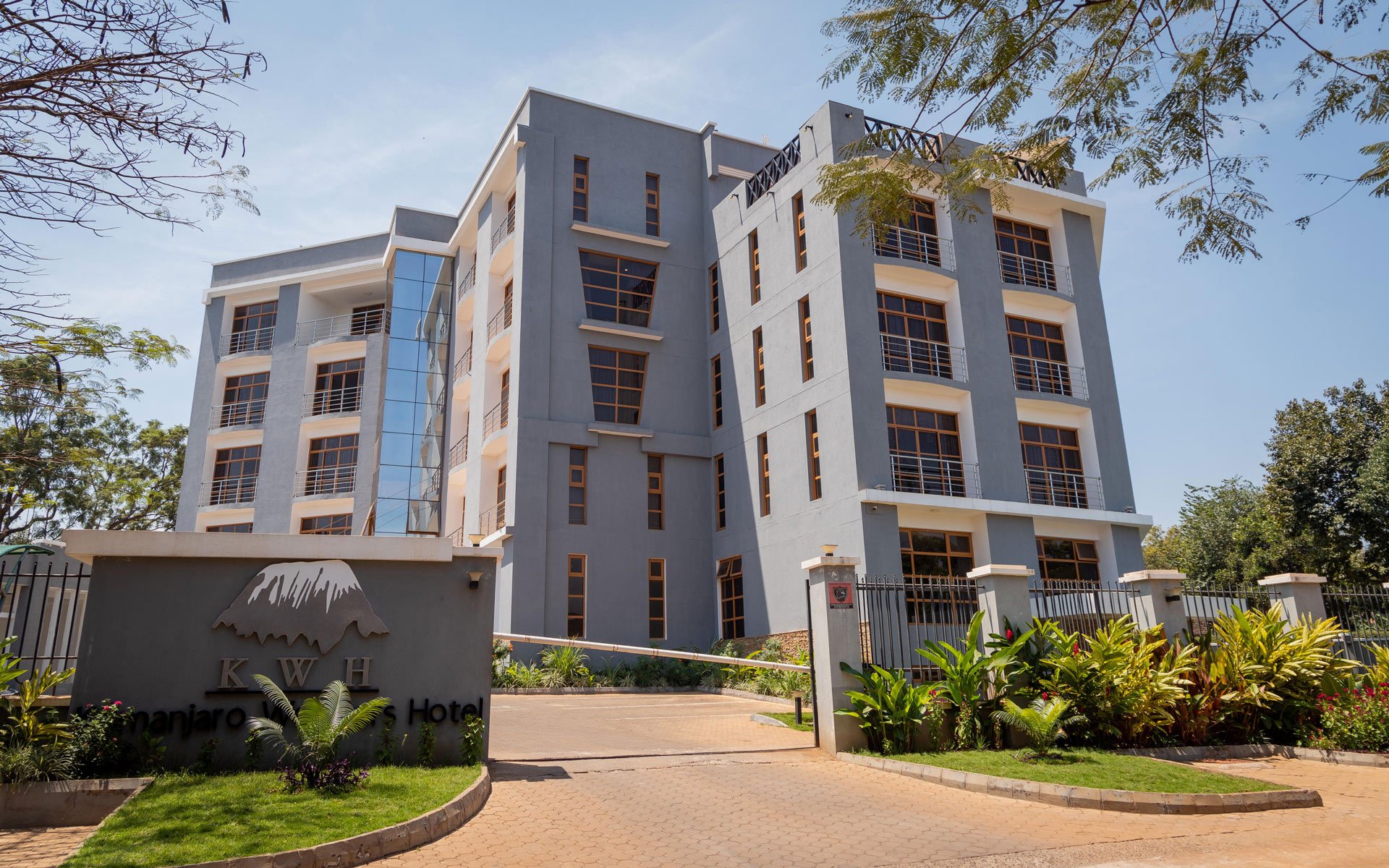
No hotel night is included after the climb — an optional night in Moshi can be added to your quote.

Where you’ll sleep

Nights on the mountain

The northern approach uses designated mountain campsites, with your final night in Horombo Hut on the Marangu descent. Camping in the Kibo area and the night at Horombo are subject to current park allocation rules, confirmed with your booking. Every comfort level uses the same sites.

  1. 01 2,625m

    Simba Camp

    Mountain camping

    Night 1
  2. 02 3,600m

    Kikelewa Camp

    Mountain camping

    Night 2
  3. 03 4,315m

    Mawenzi Tarn Camp

    High-altitude camping

    Night 3
  4. 04 4,700m

    Kibo camp area

    High-altitude camping

    Night 4
  5. 05 3,720m

    Horombo Hut

    Shared mountain hut

    Night 5

What changes between comfort levels

Mid-RangeLuxuryUltra Luxury
Mountain campsitesDesignated campsitesThe same campsitesThe same campsites
Sleeping tentQuality standard tentUpgraded tent where availablePremium tent arrangement where practical
Mountain mealsNutritious trekking mealsEnhanced menuEnhanced menu and presentation
Camp amenitiesEssential equipmentAdditional comfort amenitiesEnhanced camp amenities
Crew & serviceLicensed, experienced crewEnhanced service arrangementsHigher-touch expedition support
Hotel before / afterOptionalOptionalOptional

Exact tents, sanitation, staff ratios and extra equipment are confirmed in your written quote. A higher comfort level does not remove the physical demands or risks of high altitude.

Optional hotel after your climb

Not included in the climb price — add a night in Moshi to rest and celebrate.

Prices

Your climb, your way

Per person in US dollars for a privately organized climb. The more climbers in your group, the lower the price per person.

Comfort level

Mid-Range

Our standard climb: quality equipment, nutritious mountain meals and a licensed, experienced crew.

Optional hotel after the climb: Chanya Lodge

From$1,950per person
  • 2 climbers$2,350
  • 4 climbers$2,050
  • 6 climbers$1,950
The sweet spot Comfort level

Luxury

Upgraded tents and comforts where available, an enhanced menu and extra service on the mountain.

Optional hotel after the climb: Kilimanjaro Wonders Hotel

From$2,550per person
  • 2 climbers$2,950
  • 4 climbers$2,650
  • 6 climbers$2,550
Comfort level

Ultra Luxury

Our most comfortable climb: premium camp arrangements where practical and higher-touch support.

Optional hotel after the climb: Premium hotel

From$3,350per person
  • 2 climbers$3,750
  • 4 climbers$3,450
  • 6 climbers$3,350
Price estimator

Estimate your climb

Comfort level
Climbers
—per person

Group total —

Request this quote
Good to know

Pricing conditions

Indicative prices for a privately organized climb in US dollars. Final rates depend on current park fees and your confirmed crew and equipment, and are always confirmed in writing before you book.

Booking terms & policies
  1. Per person, private group

    Prices are per adult non-resident climber, for a private group of two, four or six.

  2. Mountain accommodation

    Five mountain nights: four at campsites on the northern approach and one in Horombo Hut, subject to park allocation.

  3. Park & mountain fees

    Kilimanjaro National Park fees and mountain accommodation charges for the scheduled climb are included at current rates. Official changes can affect the final price.

  4. Your mountain crew

    A licensed lead guide, assistant guides, a cook and porters sized to your group, with meals throughout the climb.

  5. Transfers

    Transfers between Moshi or Arusha and Rongai Gate and Marangu Gate are included.

  6. Comfort levels

    All three levels follow the same route and overnight stops; higher levels add the upgraded services set out in your quote.

  7. Hotels before & after

    Hotel nights before and after the climb are not included and can be added on request.

  8. What can change the price

    Park fees, crew size, porter loads, equipment arrangements and government taxes.

What’s included

Included & not included

Included

  • Kilimanjaro National Park entry fees for the scheduled climb
  • Five nights of authorized mountain accommodation
  • Professional licensed Kilimanjaro mountain guide
  • Assistant guides and support crew appropriate to group size
  • Mountain cook and prepared meals during the climb
  • Porters for approved group equipment and allocated personal luggage
  • Breakfast, lunch and dinner as listed in the itinerary
  • Drinking water provision and treatment on the mountain
  • Transfers between Moshi or Arusha and Rongai Gate / Marangu Gate
  • Mountain registration and park administration
  • Routine altitude and health monitoring by your guide
  • Emergency communication and first-aid arrangements under our safety plan
  • Mawenzi Tarn trekking stage
  • Summit certificate for eligible climbers, under park rules
  • Applicable taxes on the included trekking services

Not included

  • International flights to and from Tanzania
  • Tanzania visa and immigration fees
  • Hotel accommodation before and after the climb
  • Travel insurance covering high-altitude trekking and emergency evacuation
  • Personal trekking equipment, boots and sleeping bags unless specifically included
  • Personal medication and medical consultations
  • Tips for guides, cooks and porters
  • Alcoholic drinks, snacks and personal purchases
  • Hotel meals outside the mountain itinerary
  • Optional sightseeing and cultural activities
  • Extra accommodation or transfers caused by personal changes
  • Costs not covered by the agreed emergency assistance or insurance
Good to know

Important travel information

Who this climb suits
Physically prepared travellers who want a quieter, distinctive approach. The six-day schedule is compressed, so careful pacing matters; the seven-day Rongai is generally better for first-timers.
Altitude & safety
The six-day Rongai gains height quite quickly from the foothills to the high camps. For many climbers the seven-day version, with an extra day at Mawenzi Tarn, is preferable. Your guide checks everyone regularly for headache, nausea, dizziness, unusual tiredness and breathlessness; worsening symptoms mean descent, not a summit. Speak to a doctor before booking if you have medical concerns, and carry insurance that covers high-altitude trekking and evacuation.
Best time to climb
January to early March and June to October are usually drier. April–May and parts of November bring more rain, muddy trails and less visibility. Mountain weather is unpredictable all year — prepare for rain, wind and freezing summit temperatures.
Where you sleep
Campsites on the northern approach and a final night at Horombo Hut, subject to current park allocation.
What to pack
Broken-in waterproof boots; base and insulating layers; a waterproof, windproof jacket and trousers; a warm summit jacket; gloves, hat and neck warmer; sun hat, sunglasses and high-SPF sunscreen; a daypack and water bottles; a cold-rated sleeping bag; a headlamp with spare batteries; trekking poles; toiletries, medication and a small first-aid kit; snacks; waterproof bags.
Add a safari
We can arrange safaris to Tarangire, the Serengeti, the Ngorongoro Crater and more before or after your climb — just allow a day or two to recover.

Photo gallery

You may also like

Similar journeys

Questions

6-Day Rongai Route Kilimanjaro Climb FAQs

How difficult is the 6-day Rongai Route?

Challenging: steep sections, uneven ground, high-altitude camping and a demanding summit night, with less acclimatization time than the seven-day version.

Is Rongai suitable for beginners?

Physically prepared first-timers may consider it, but the seven-day itinerary is generally preferable for more acclimatization time.

Is the Rongai Route less crowded?

Its northern approach often sees fewer trekkers than the southern routes, though it joins established summit and descent trails used by other groups.

Does Rongai use huts?

Mainly campsites. Arrangements in the Kibo area and on the Marangu descent are confirmed under current park rules.

What is the difference between the 6- and 7-day Rongai?

The seven-day climb adds an acclimatization day at Mawenzi Tarn Camp for a more gradual schedule.

What is the highest point reached?

The goal is Uhuru Peak at 5,895 m. The highest point you actually reach depends on the weather, the trail and your health.

Can I combine the climb with a safari?

Yes. We can arrange safaris to Tarangire, the Serengeti, the Ngorongoro Crater and more before or after your climb, with time to recover.

Start planning

Plan your 6-Day Rongai Route Kilimanjaro Climb

Tell us your dates, group size and comfort level — our team in Moshi will confirm availability and send a tailored quote within 24 hours.

WhatsApp us

We reply within 24 hours. Your details are only used to plan your trip.