


Best Time to Visit Tanzania
Tanzania’s seasons explained — the dry season, green season and rains, where the Great Migration is each month, and the best time…
Read the guide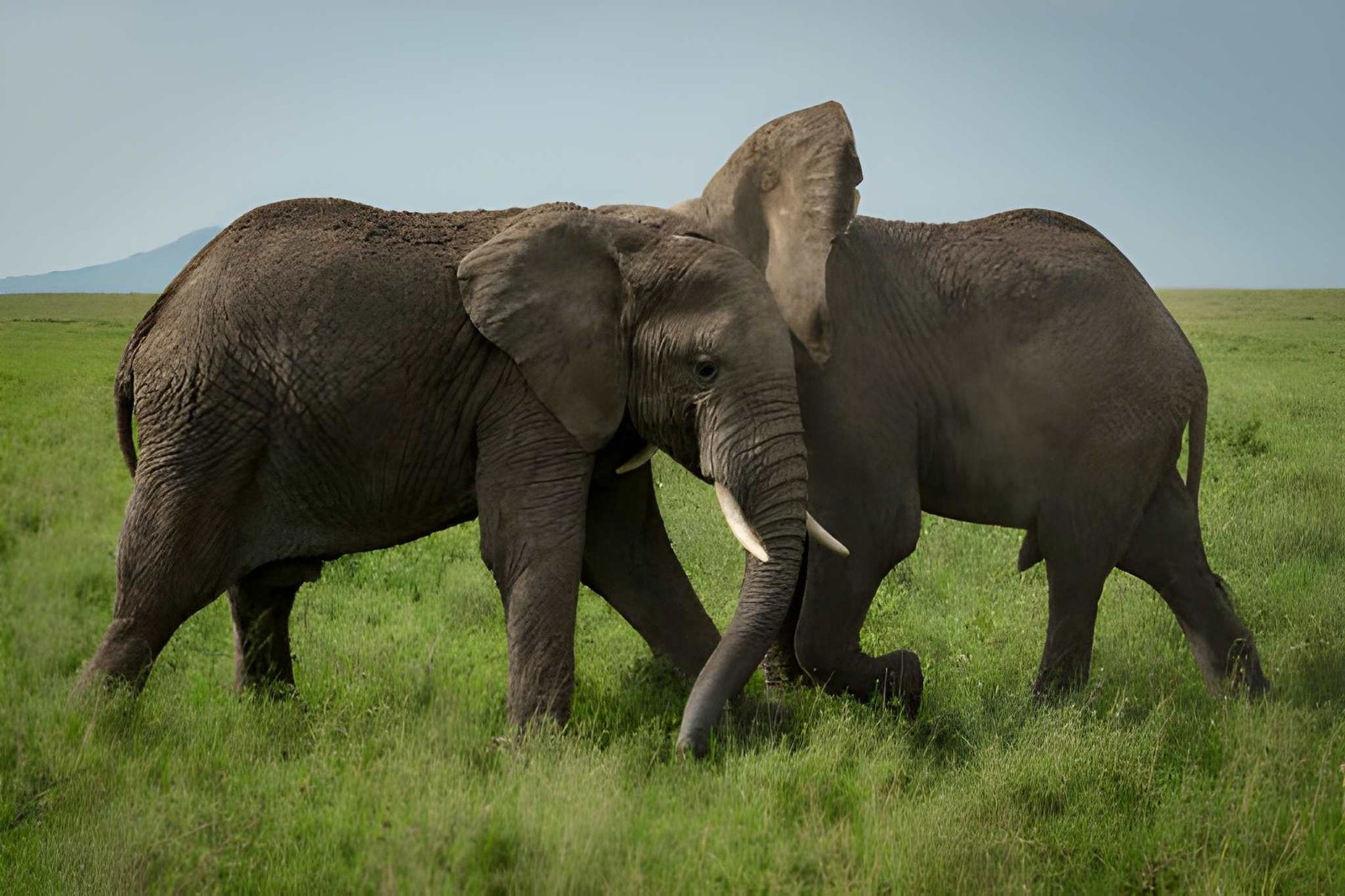
Practical advice from our team in Moshi — the best time to visit, what to pack, how to prepare for Kilimanjaro, and everything you need to know before you travel.
Planning a trip to Tanzania raises plenty of questions. When is the best time to see the migration? How fit do I need to be for Kilimanjaro? Do I need a visa, and which vaccinations? How much luggage can I take on a light aircraft? Our travel guides answer these questions clearly and practically, based on what our team sees every day in the parks and on the mountain.
We have kept the guides focused on what really matters, and we link to official sources wherever rules or health advice may change. Start with the guide that fits your plans below, and if anything is unclear, ask us — we are always happy to help, whether or not you have booked with us.
Tanzania’s seasons explained — the dry season, green season and rains, where the Great Migration is each month, and the best time…
Read the guide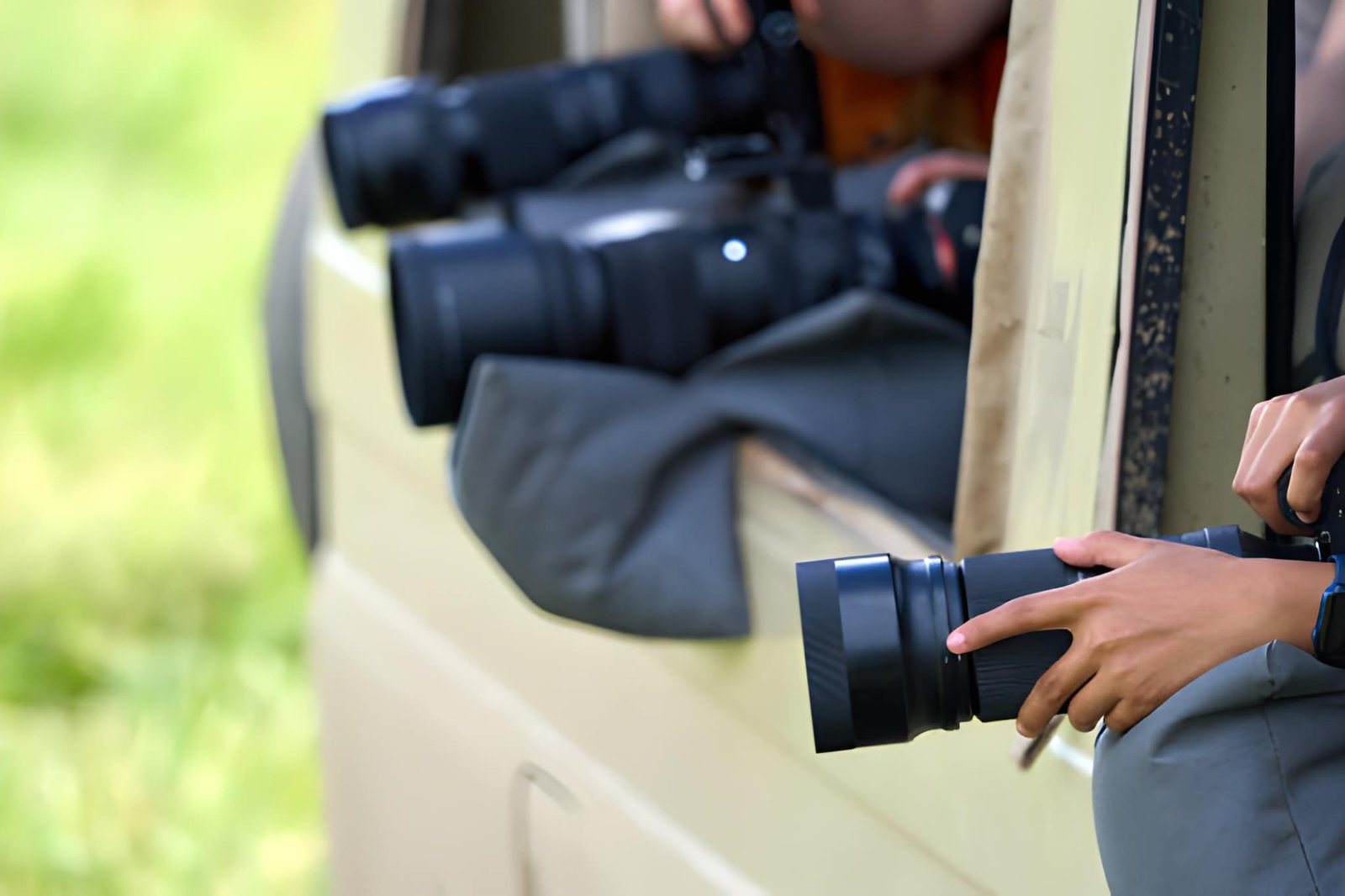
How long to go for, which parks to combine, what a Tanzania safari really costs, how comfort levels differ, tipping and a complet…
Read the guide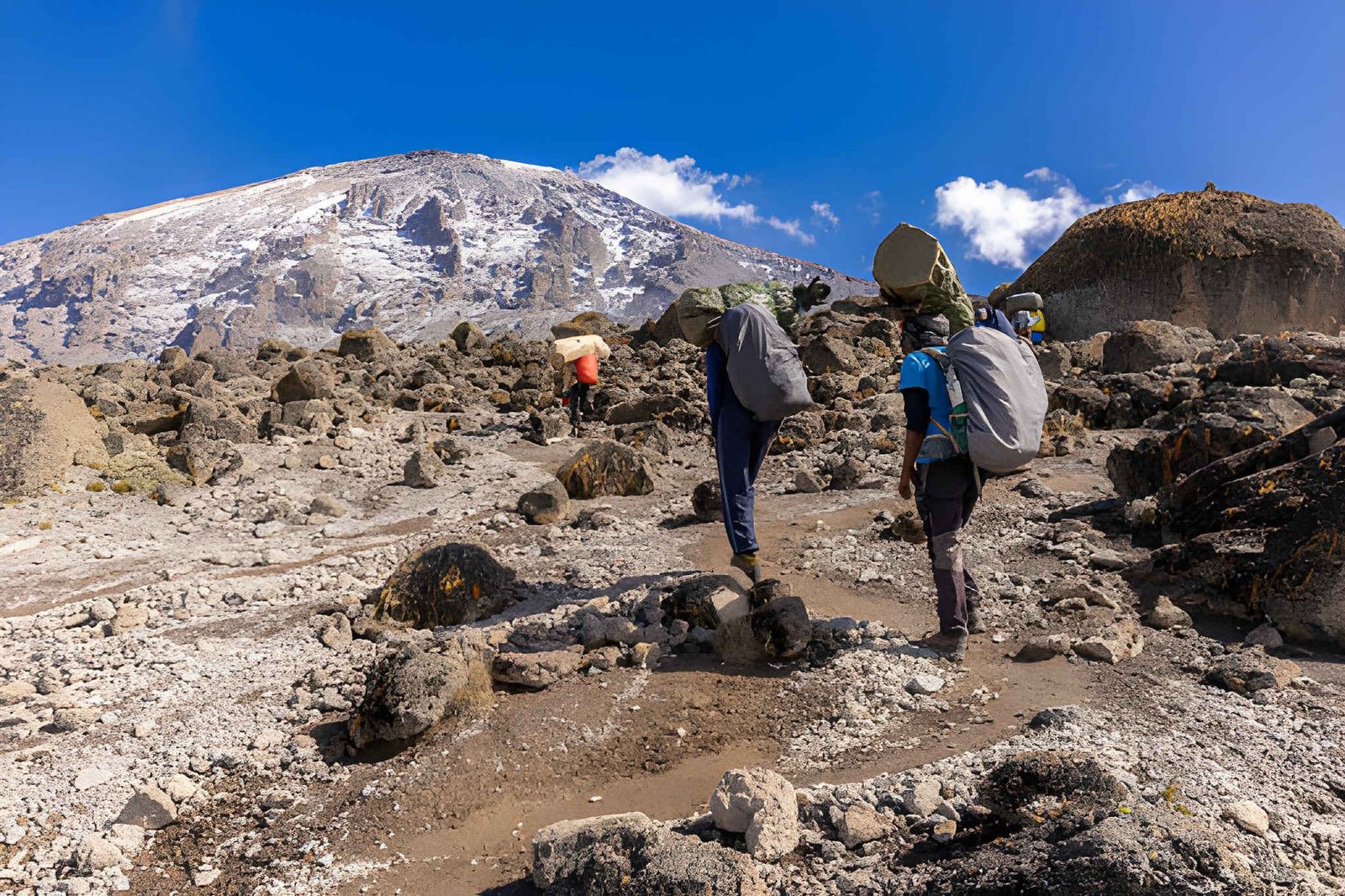
How fit you need to be, choosing a route, altitude and acclimatisation, summit night, a complete Kilimanjaro packing list, insura…
Read the guide
Visas, passports, the new travel-insurance rules for Zanzibar and mainland Tanzania, vaccinations, malaria, safety, money and oth…
Read the guideThe dry season from June to October is the classic safari season. January to March is the calving season in the southern Serengeti, and the best time to climb Kilimanjaro is January to early March or June to October. April and May bring the long rains. Read the full guide: Best Time to Visit Tanzania.
Most visitors need a visa, which you can apply for online through the official e-visa website — avoid unofficial sites. Zanzibar requires its own inbound travel insurance, and mainland Tanzania announced a similar requirement in September 2026. More in our visa, health and travel guide.
Speak to your doctor or a travel clinic well before you go about vaccinations and malaria prevention. Some travellers need a yellow fever certificate depending on their route. The CDC’s Tanzania page is a useful starting point.
Pack light, neutral-coloured layers, a warm fleece for early mornings, sun protection and binoculars. Soft bags are essential on light aircraft. Our safari planning and packing guide covers costs, what is included and a full packing list.
Train with long hikes, choose a route of seven days or more, and pack for everything from rainforest to freezing summit nights. Our Kilimanjaro preparation guide explains training, altitude and kit in detail.
Since 2025, everyday payments in Tanzania must be made in Tanzanian shillings; your safari and lodges are paid through us in advance. Bring a card for ATMs and some clean, recent US dollar notes (2009 or newer) to exchange at a bank or bureau. Tipping guides, drivers, porters and lodge staff is customary — we send guidance before you travel.
| Topic | What to know | Where to check |
|---|---|---|
| Visa | Required for most nationalities; apply online before travel | Tanzania e-Visa |
| Health | Malaria prevention and vaccinations — ask your doctor | CDC Travelers’ Health |
| Park rules & fees | Set by the park authorities; included in our quotes | TANAPA, NCAA |
| Travel insurance | Zanzibar requires its own inbound insurance; mainland Tanzania announced one in September 2026 | We confirm current rules before you travel |
| Plastic bags | Plastic carrier bags are banned in Tanzania — pack without them | Ask us if unsure |
Tanzania lies just south of the equator, so temperatures are pleasant all year; the seasons are defined by rain. The long rains usually fall from around March to May and the short rains around November and December. The dry season from June to October brings cool mornings and excellent game viewing, while January and February are warm, green and often dry.
Altitude matters too: Arusha, Moshi and the Ngorongoro highlands are cooler than the coast, and nights on the crater rim can be cold.
Rules on visas, health and park fees change. These are the official sources we recommend checking before every trip.
Still have a question? Our team in Moshi answers within 24 hours.
Ask on WhatsAppTanzania is a welcoming country and most visits are trouble-free. Take normal precautions in cities, follow your guide’s advice in the parks and check your government’s travel advice before you go.
Swahili and English. Guides and lodge staff speak English, and a few words of Swahili are always appreciated.
Tanzania mainly uses the British-style three-pin plug (Type G), with some Type D sockets. A universal adapter is the easiest option.
No — drink bottled or treated water. Safe drinking water is provided on all our safaris and climbs.
For July to October and the Christmas holidays, six months to a year ahead is ideal. For other months, a few months is usually enough.
Our team in Moshi is happy to help with any question about travelling in Tanzania — just ask.