Serengeti National Park – Wildlife, Great Migration & Safari Guide
Endless golden plains, the Great Migration and some of Africa’s finest big-cat viewing — Tanzania’s most celebrated wilderness, planned around you by a local team.
Northern Tanzania · 1–1½ hrs by light aircraft or 7–8 hrs by road from Arusha
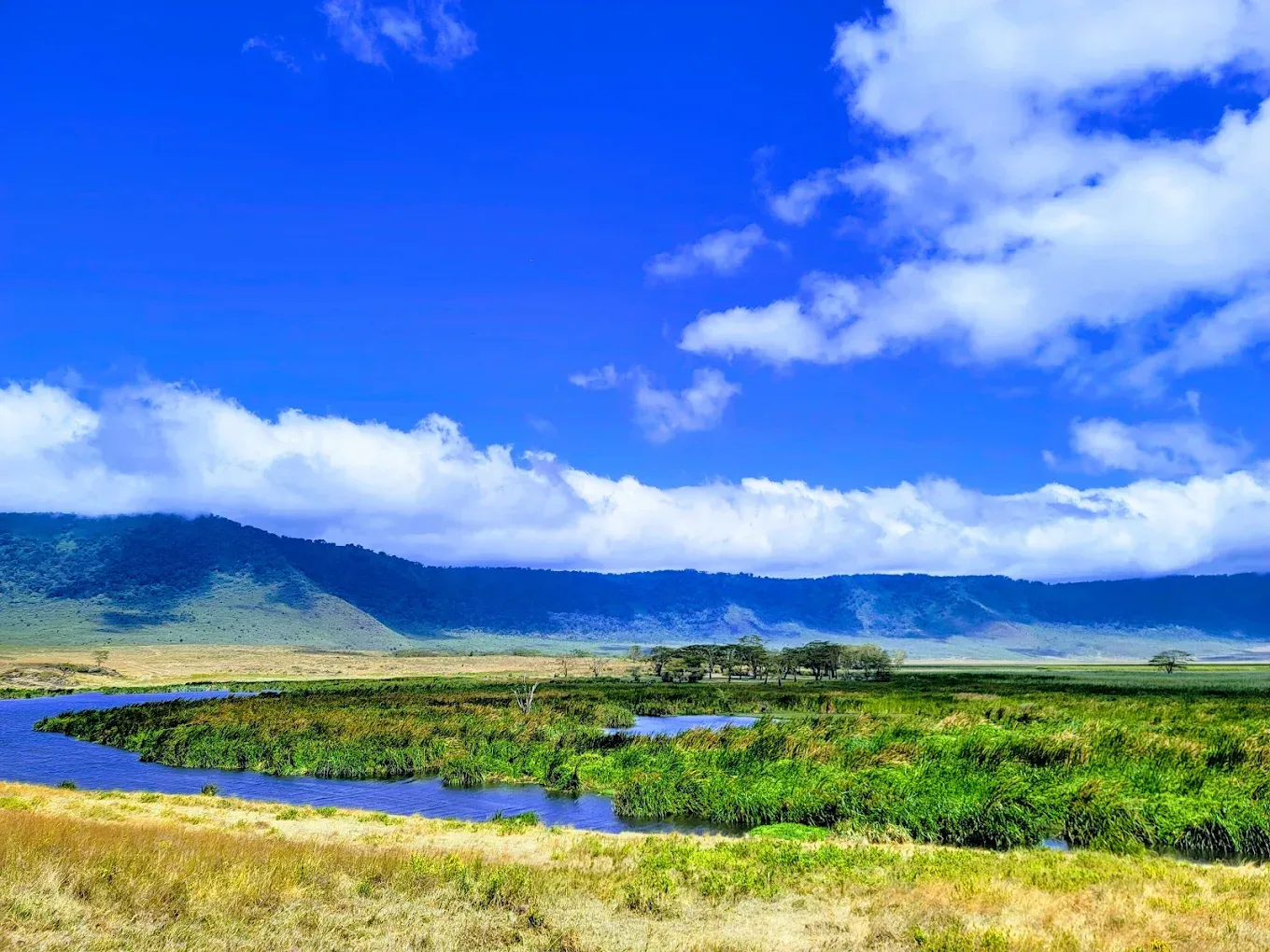
The Serengeti is the safari most people picture before they ever set foot in Africa: a sweep of short-grass plains broken by granite kopjes, acacia woodland and slow, winding rivers, under a sky so wide it seems to curve. Covering around 14,750 km² of northern Tanzania, Serengeti National Park was established in 1951 and listed as a UNESCO World Heritage Site in 1981.
Together with Kenya’s Maasai Mara and the neighbouring Ngorongoro Conservation Area, the park protects one of the last great intact grassland ecosystems on Earth. It is the stage for the Great Migration — well over a million wildebeest, joined by hundreds of thousands of zebra and gazelle, following the rains in a year-round circuit — and home to one of the densest populations of large predators anywhere in Africa.
What makes a Serengeti safari special is not only what you see, but how it changes with the seasons and the region you choose. Calving season on the southern plains, river crossings in the far north and resident big cats in the central Seronera valley each offer a very different experience — which is why we plan every Serengeti safari around your dates and interests rather than a fixed route.
14,750 km² of protected wilderness
Highlights
Top reasons to visit Serengeti
01
The Great Migration
Follow the herds as they move between the southern plains, the Western Corridor and the Mara River — one of the greatest wildlife spectacles on the planet.
02
Big cats, every day
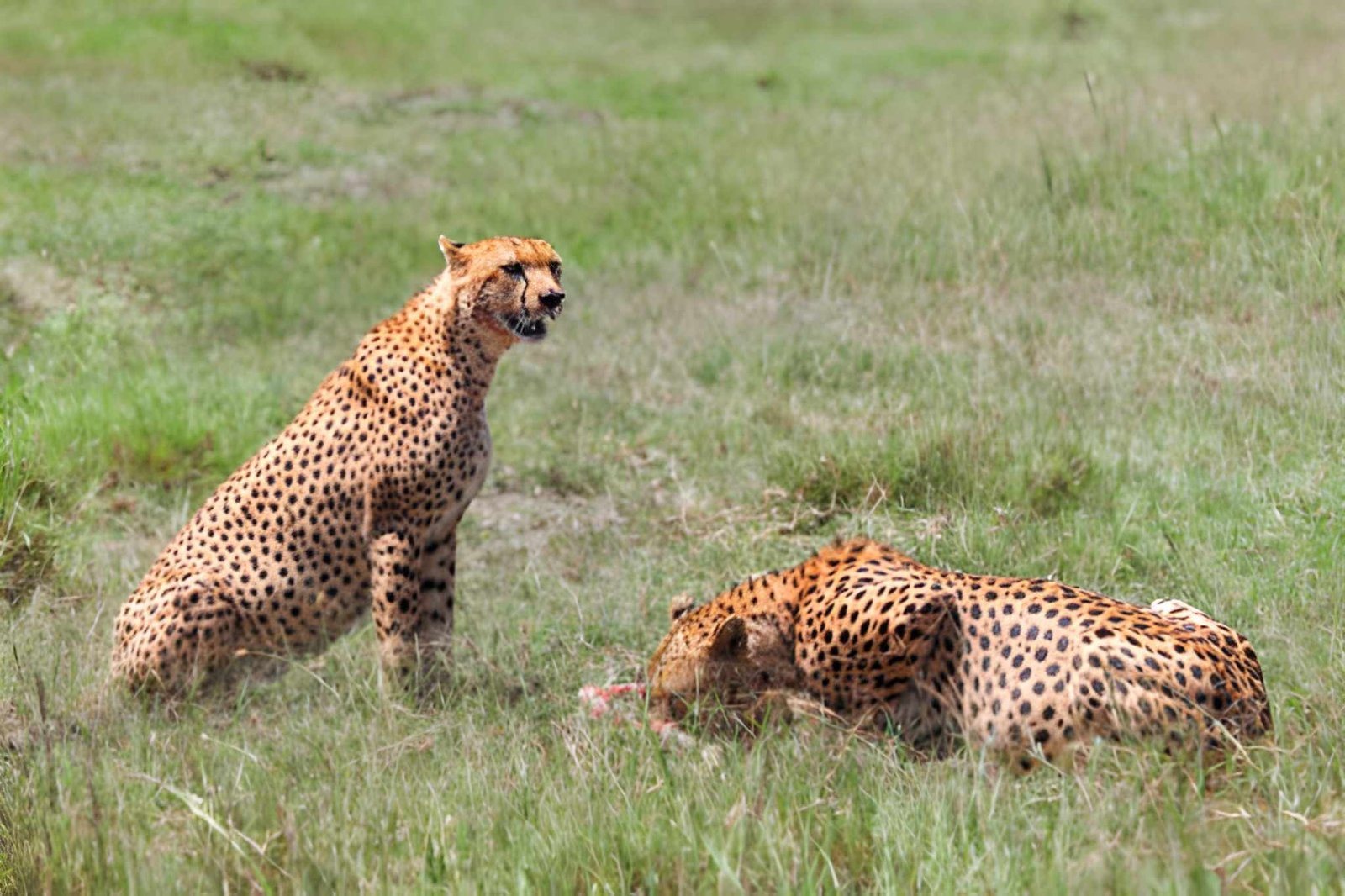
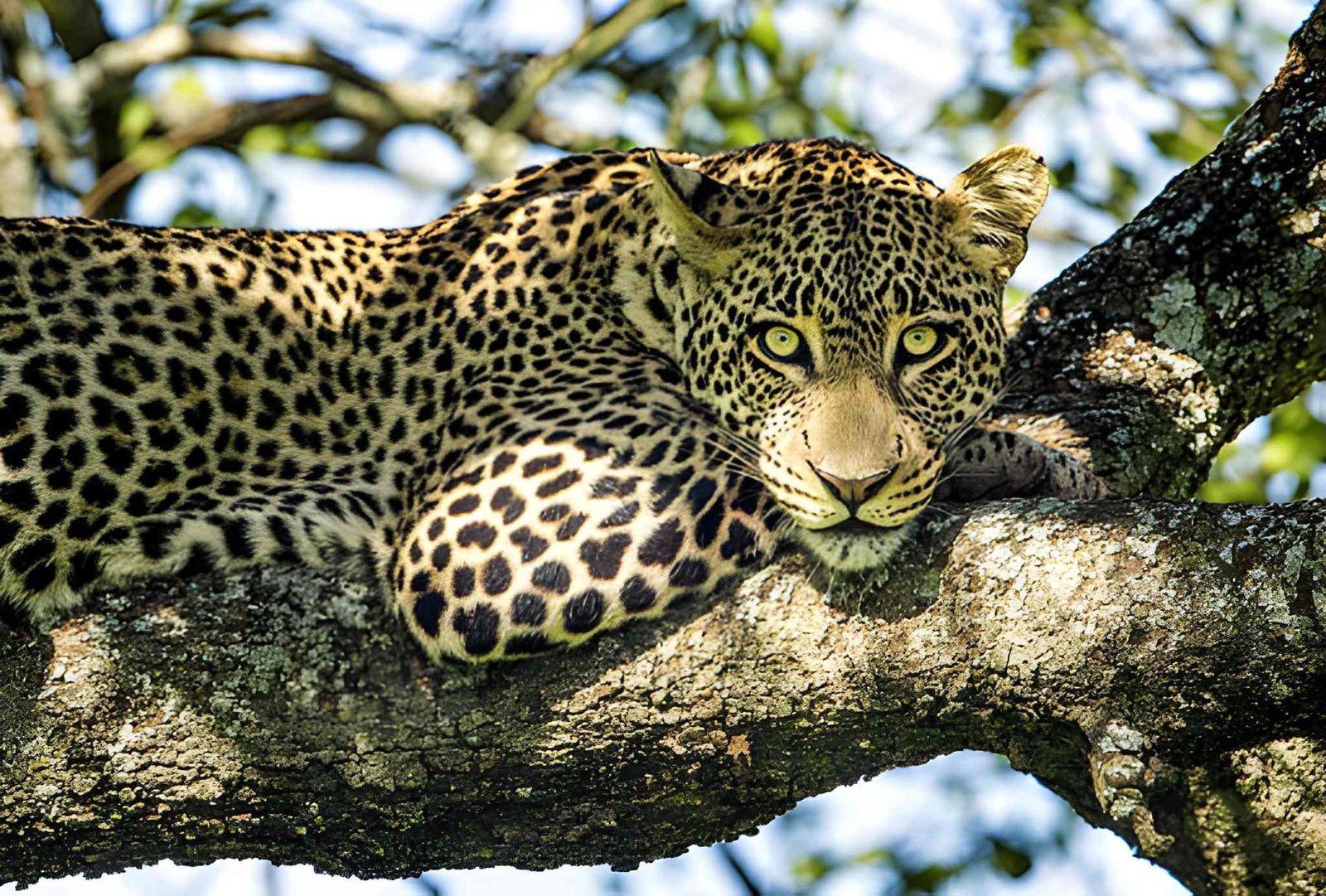
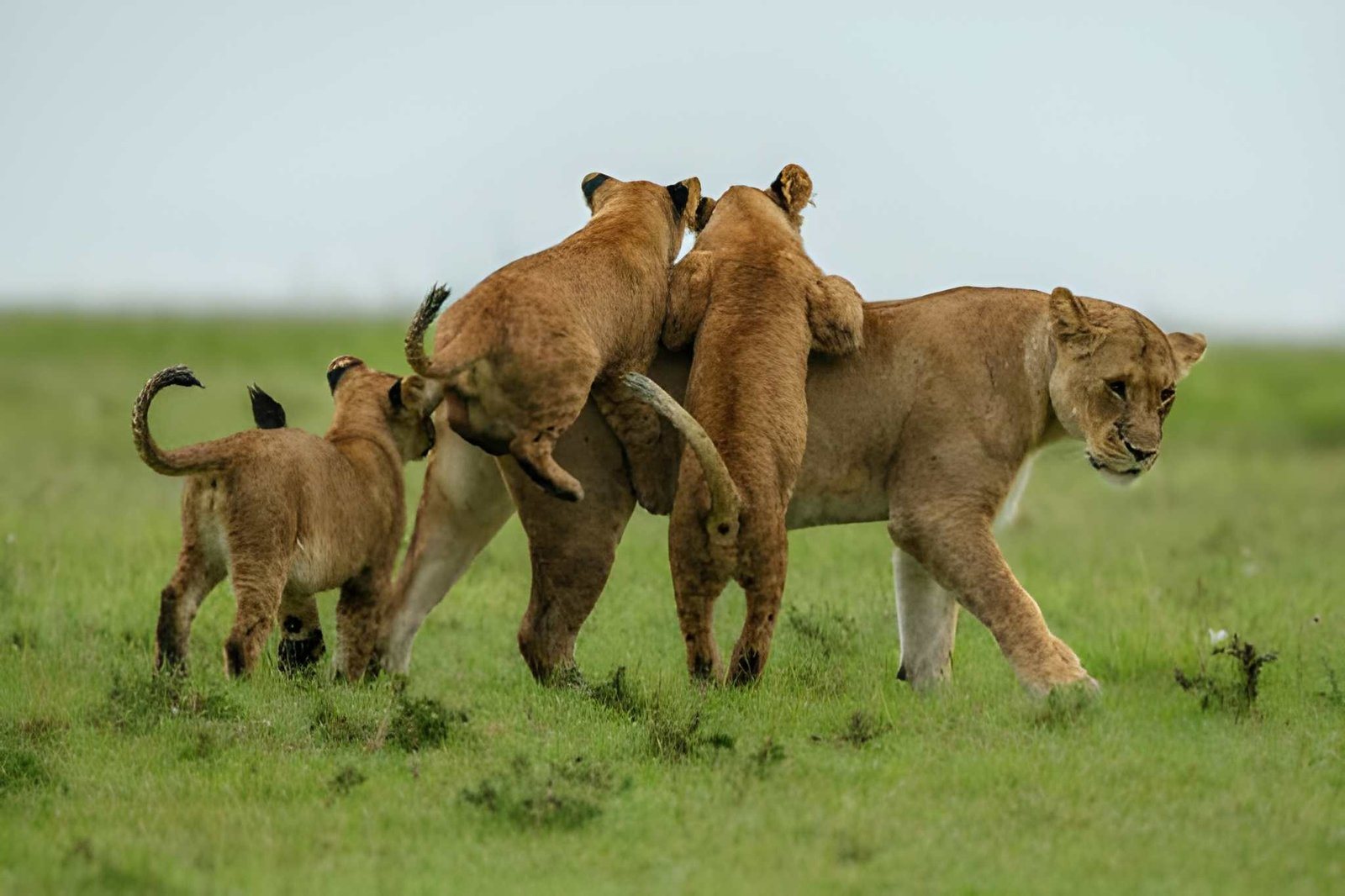
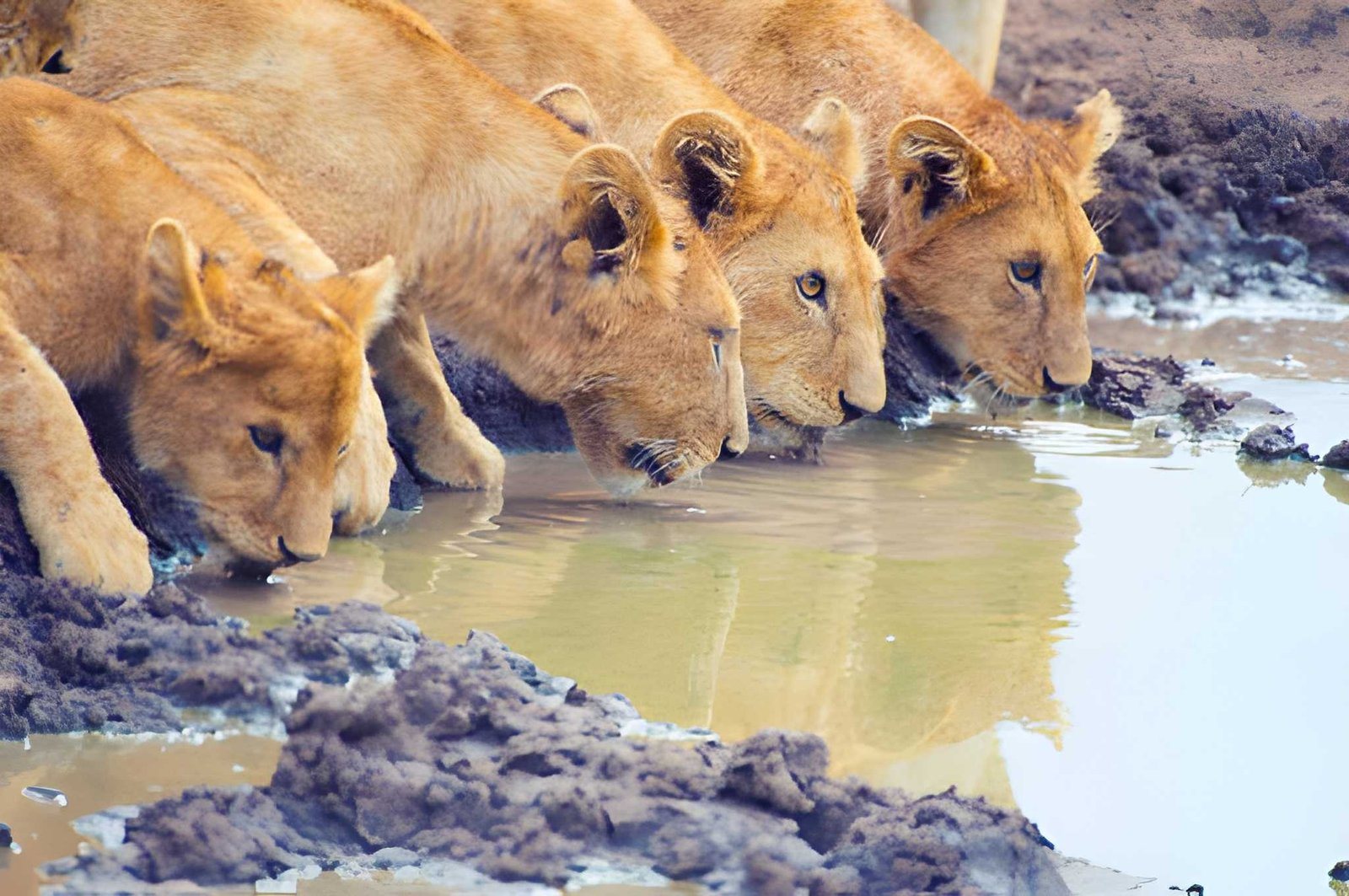
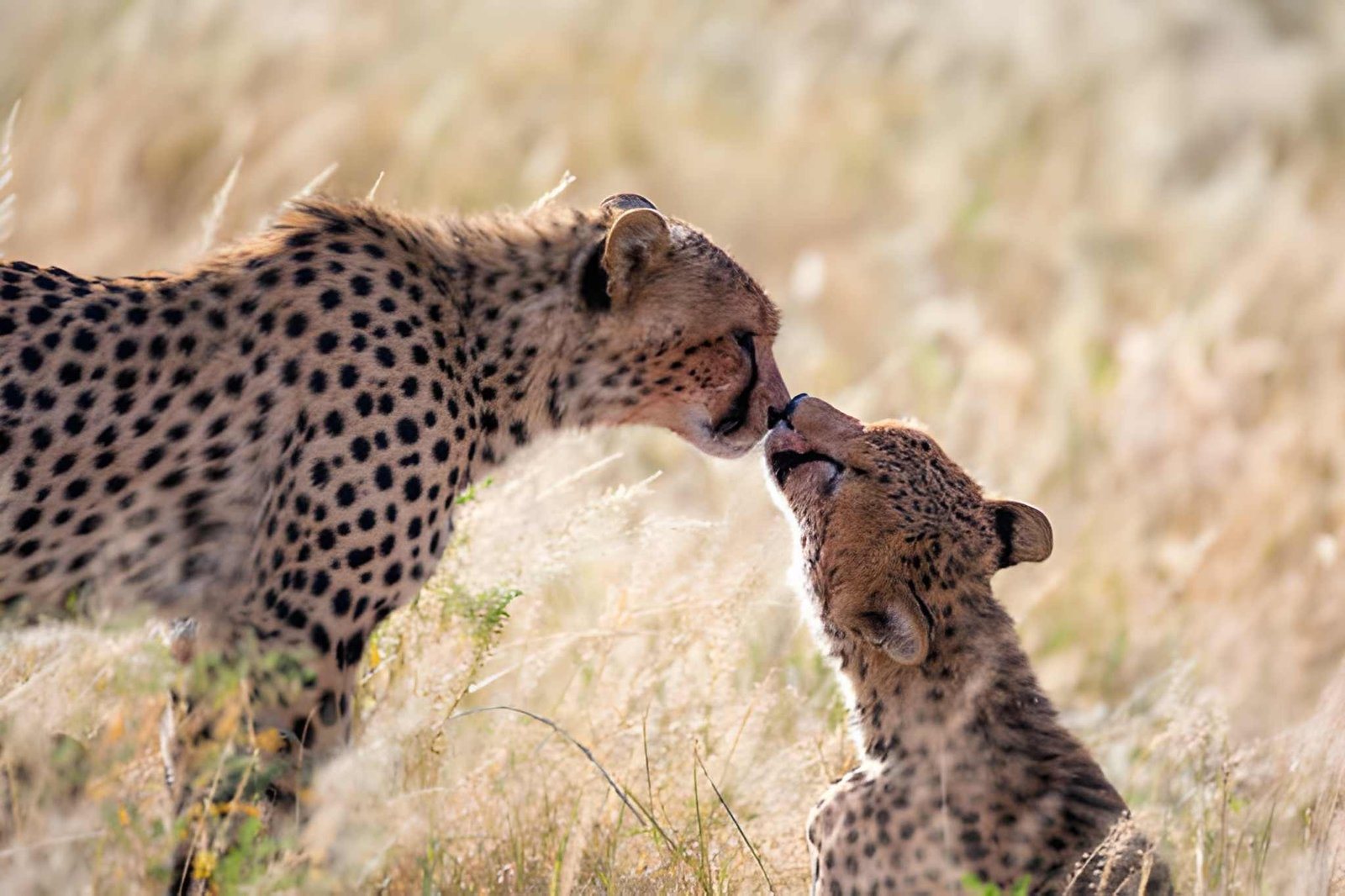
Lion prides on the kopjes, leopards in the sausage trees along the Seronera River and cheetah hunting on open plains.
03
The Big Five
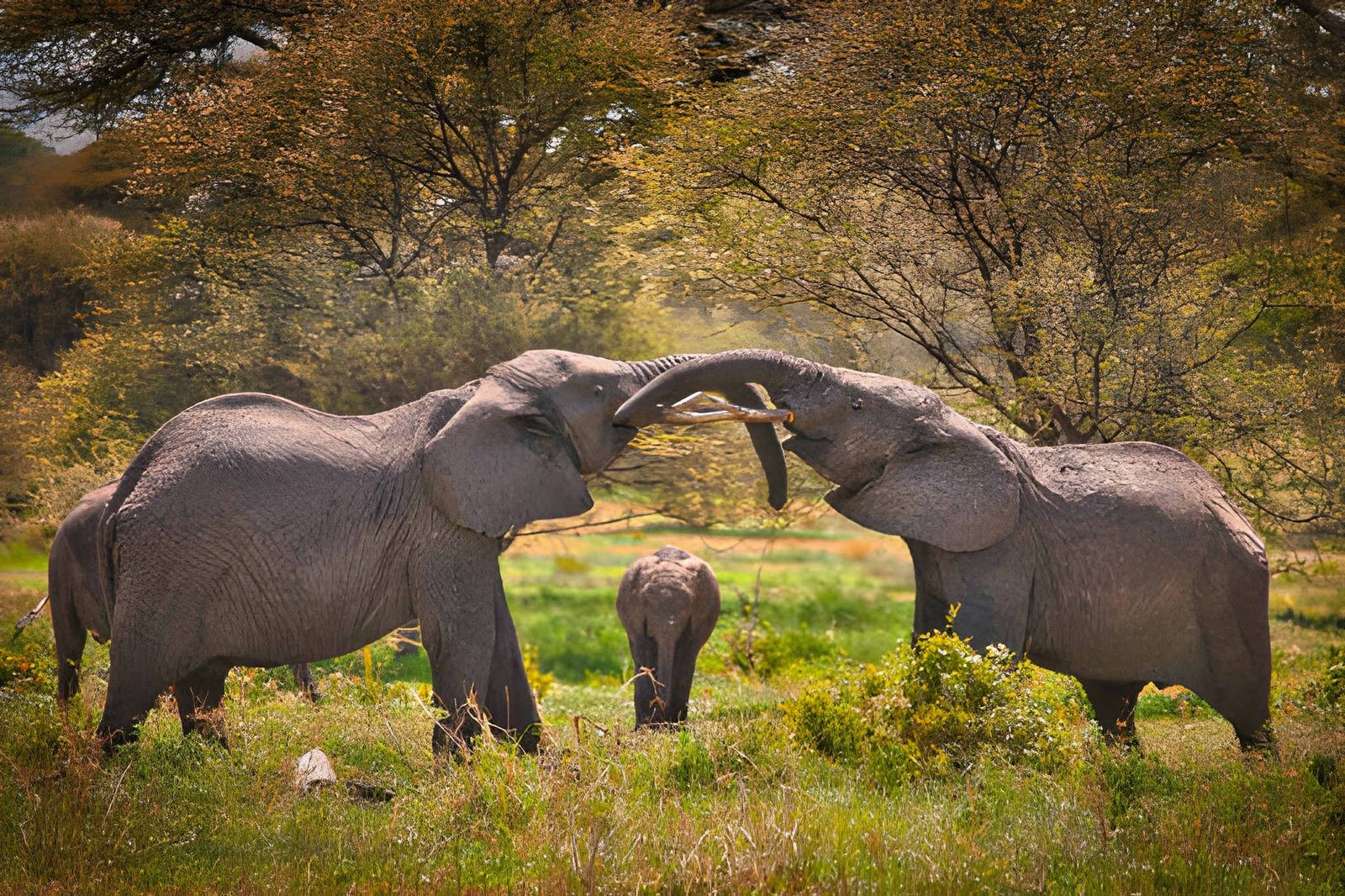
Lion, leopard, elephant and buffalo are widespread; black rhino survive in small numbers around Moru Kopjes and in the north.
04
Endless plains
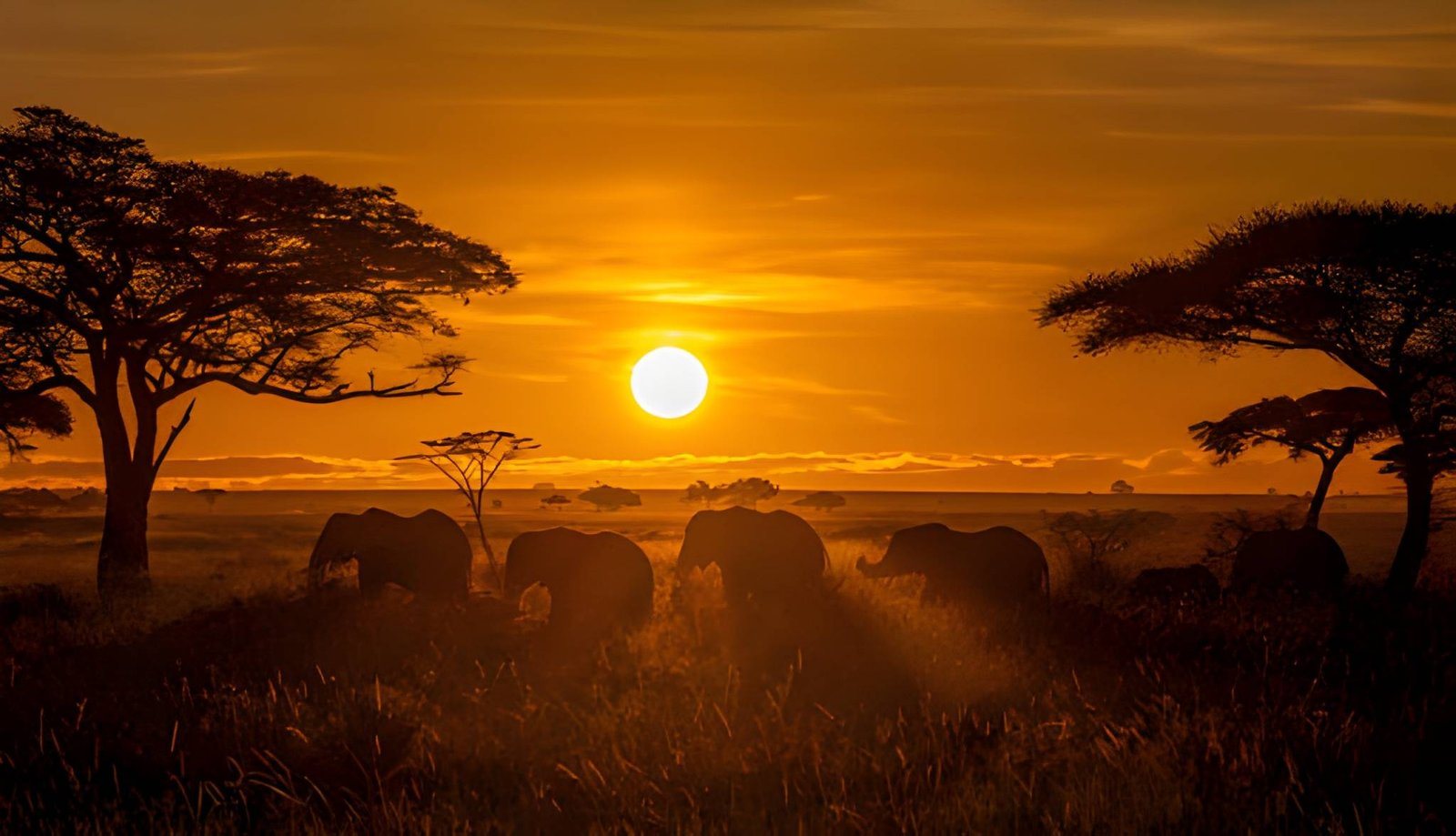
The Maasai word “Siringet” means the place where the land runs on forever — and on the southern short-grass plains it truly does.
05
Hot-air balloon safaris
Drift over the plains at sunrise, then land for a bush breakfast — an unforgettable way to understand the scale of the Serengeti.
06
Exclusive, private camps
From mobile tented camps that follow the herds to remote luxury lodges, the Serengeti offers some of Africa’s finest safari stays.
Wildlife & birdlife
Animals of Serengeti
Around 70 large mammal species and more than 500 bird species have been recorded in the Serengeti. Wildlife is present all year; what changes is where the herds are and how easily the predators can be found.
Predators
The Seronera valley in the central Serengeti has resident lion and leopard all year. Cheetah favour the open southern plains, especially during calving season (January–March). Spotted hyena, jackal, serval and African wild cat are also seen.
The great herds
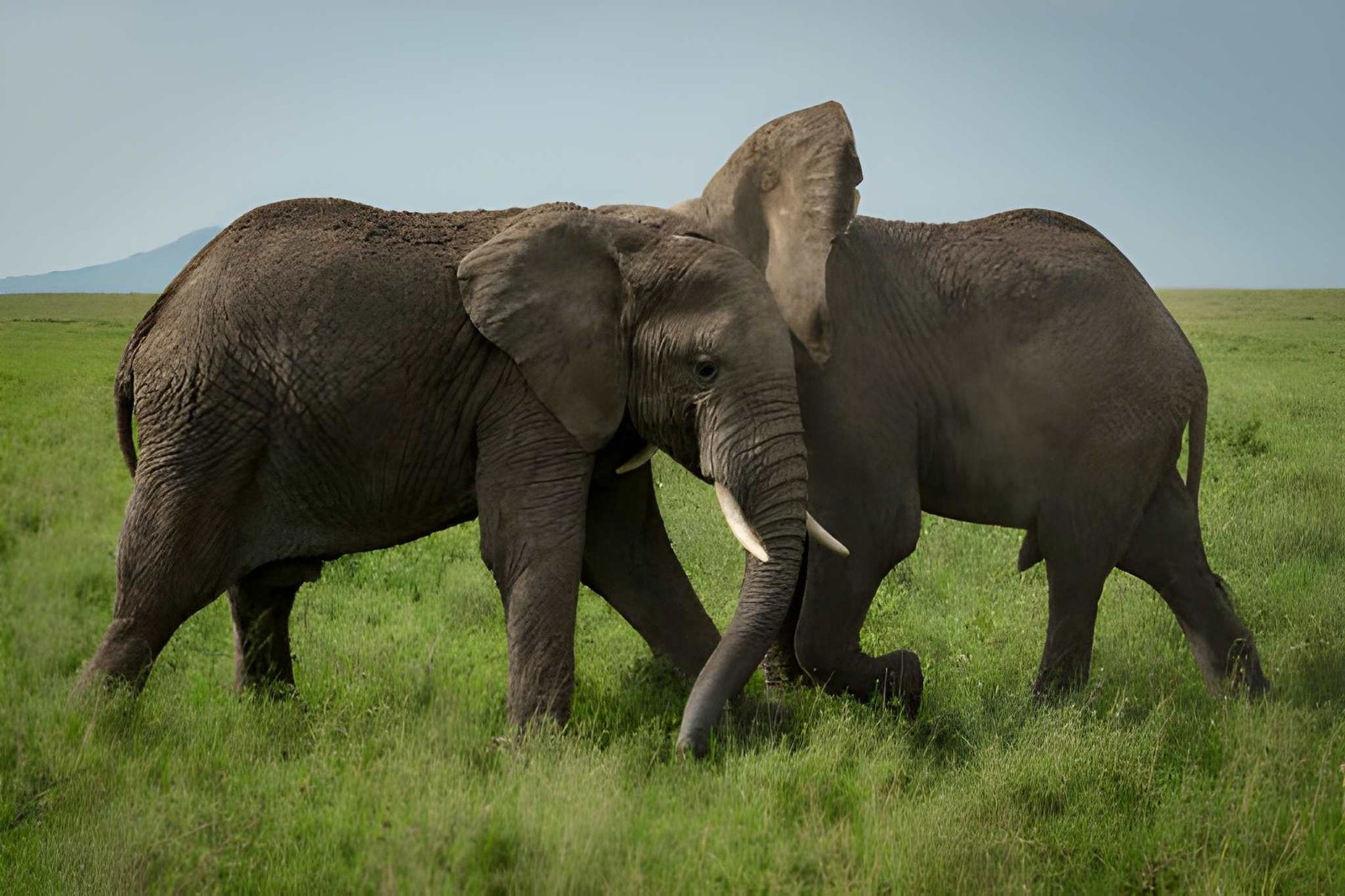
Wildebeest, zebra and Thomson’s gazelle make up the migration. Resident herbivores include giraffe, topi, Coke’s hartebeest, impala, eland, waterbuck and large herds of buffalo; elephants are most common in the north and west.
Rivers & kopjes
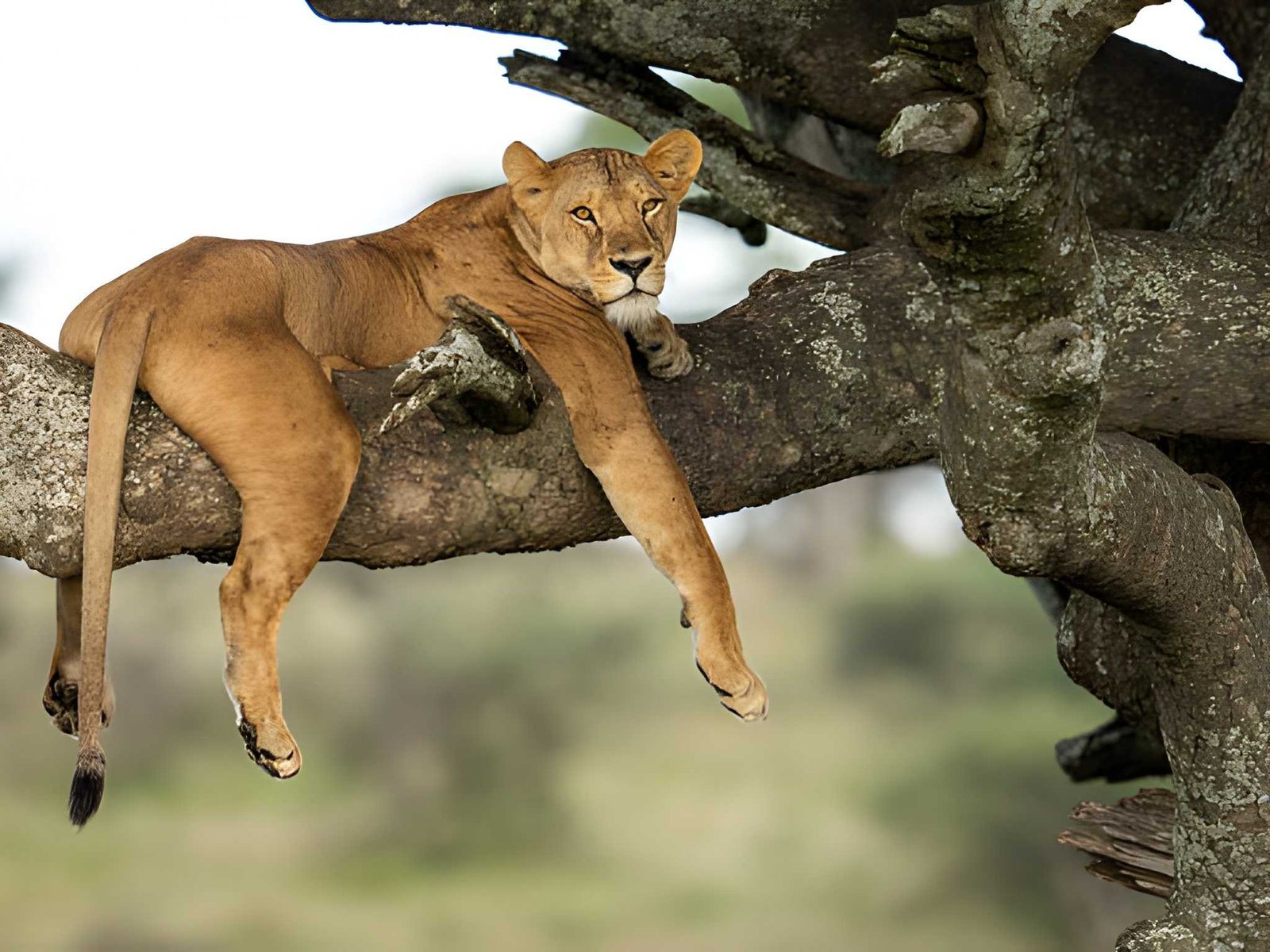
Hippo and very large Nile crocodiles live in the Grumeti and Mara rivers. The granite kopjes shelter klipspringer, rock hyrax, agama lizards — and lions resting in the shade.
Birdlife
Look for ostrich, secretary bird, kori bustard, grey crowned crane and several vultures. Fischer’s lovebird and the grey-breasted spurfowl are East African specialities; November to April brings migrant birds from Europe and Asia.
Look out for
Lion
Leopard
Cheetah
African elephant
Cape buffalo
Black rhino
Blue wildebeest
Plains zebra
Masai giraffe
Spotted hyena
Hippo
Nile crocodile
Topi
Thomson’s gazelle
Grant’s gazelle
Serval
Kori bustard
Secretary bird
Fischer’s lovebird
Landscapes & ecosystems
The land itself
The southern Serengeti is a vast, almost treeless plain of short grasses growing on volcanic ash from the Ngorongoro highlands — perfect grazing for the herds in the rains. Moving north, the plains give way to acacia savanna, scattered with granite kopjes: ancient rock outcrops that rise like islands and give lions a lookout over the grass.
The Western Corridor follows the Grumeti River towards Lake Victoria, with gallery forest and black-cotton plains. In the far north, rolling hills and riverine woodland line the Mara River, where the herds gather for their famous crossings. The light changes everything here: misty blue mornings, white midday heat and gold that seems to pour across the plains in the last hour of the day.
Experiences
Things to do in Serengeti
01
Game drives
Explore in a private 4×4 safari vehicle with a pop-up roof and your own professional guide — full-day drives with a picnic lunch let you follow the action without hurrying back.
02
Hot-air balloon safari
Sunrise flights operate over the central Serengeti (and seasonally in the south and north), followed by a champagne bush breakfast. Best booked well in advance.
Between about July and October, wait with your guide on the banks of the Mara River for the herds to cross — dramatic, unpredictable and unforgettable.
04
Walking safaris
In selected areas, walk with an armed ranger to read tracks, learn about plants and insects, and feel the bush at ground level.
05
Photography safaris
Long days, flexible timings and a guide who understands light and positioning — ideal for keen photographers.
06
Bush dinners & sundowners
Many camps offer sundowner drinks on a kopje and private dinners under the stars as part of your stay.
When to go
Best time to visit Serengeti
There is no bad time to visit the Serengeti — but the right time depends on what you want to see. Use the calendar to see where the migration usually is each month and what the weather is like. Herd movements follow the rains and vary from year to year.
Green season
January · Calving season begins
The herds graze the southern plains around Ndutu. Thousands of wildebeest calves are born, and cheetah, lion and hyena are never far away.
Green season
February · Peak calving
The best month for calving: up to 8,000 calves can be born in a single day. Green plains, dramatic predator action and excellent photography.
Long rains
March · Herds begin to move
The rains arrive and the herds start drifting north-west from the southern plains. Lush landscapes and fewer visitors.
Long rains
April · Long rains
The wettest month. Herds move through the central and western Serengeti. Some camps close, but resident wildlife in Seronera is excellent.
Long rains
May · The rut
The wildebeest rut: males compete noisily for females as the columns move towards the Western Corridor.
Dry season
June · Grumeti River crossings
Herds gather in the Western Corridor and cross the Grumeti River, home to huge crocodiles. The dry season begins.
Dry season
July · Heading north
The herds push into the northern Serengeti. The first Mara River crossings usually begin in July, depending on the rains.
Dry season
August · Mara River crossings
Prime time for river crossings around Kogatende in the north. Dry, sunny days and excellent wildlife everywhere.
Dry season
September · Crossings continue
The herds move back and forth across the Mara River. Superb viewing with slightly fewer visitors than August.
Dry season
October · Late dry season
Herds linger in the north before turning south. The central Serengeti is quiet, dry and excellent for big cats.
Short rains
November · The return south
The short rains begin and the herds stream south through the eastern Serengeti towards the green southern plains.
Short rains
December · Back on the plains
The herds settle on the southern plains as the grass turns green — the cycle begins again. Festive dates book early.
Dry season
Green season
Short rains
Long rains
Getting there
Getting there & getting around
Most Serengeti safaris begin in Arusha, or at Kilimanjaro International Airport (JRO). By road, the drive takes you past Lake Manyara and up through the Ngorongoro Conservation Area before descending onto the plains — around 7–8 hours to the central Serengeti, which is why many itineraries include a night in Karatu or at Ngorongoro along the way.
Scheduled light aircraft fly from Arusha airport to several airstrips inside the park, including Seronera (central), Kogatende (north), Ndutu (south) and the Grumeti area (west), taking roughly 1 to 2 hours depending on the route. Inside the park you explore with your private guide and 4×4 vehicle. A popular combination is to drive in — seeing Ngorongoro and Tarangire on the way — and fly out.
Accommodation
Where to stay in Serengeti
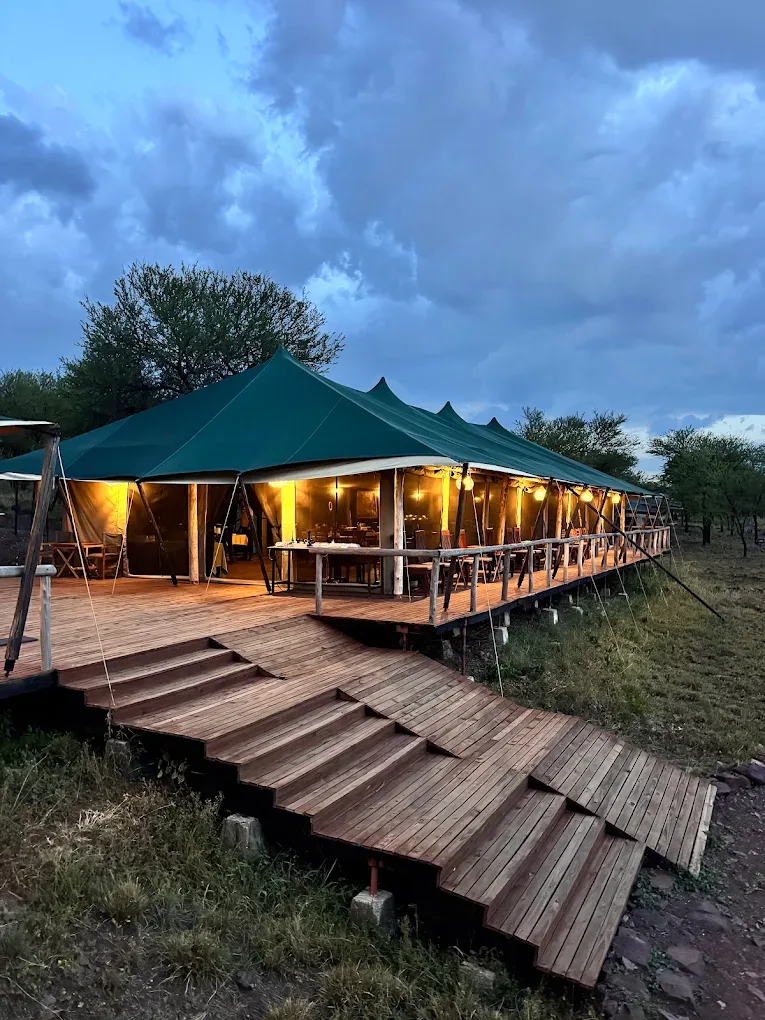
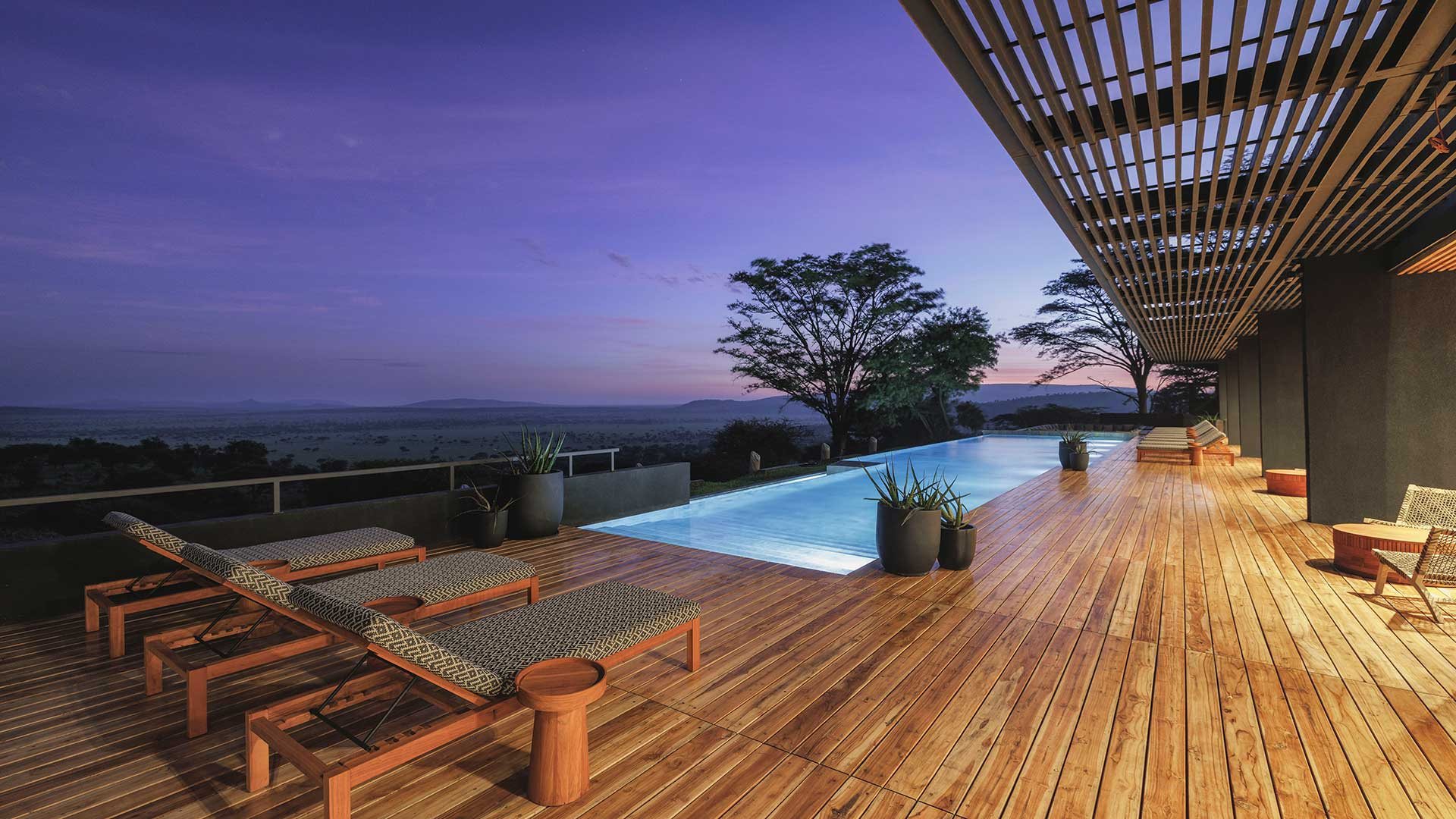
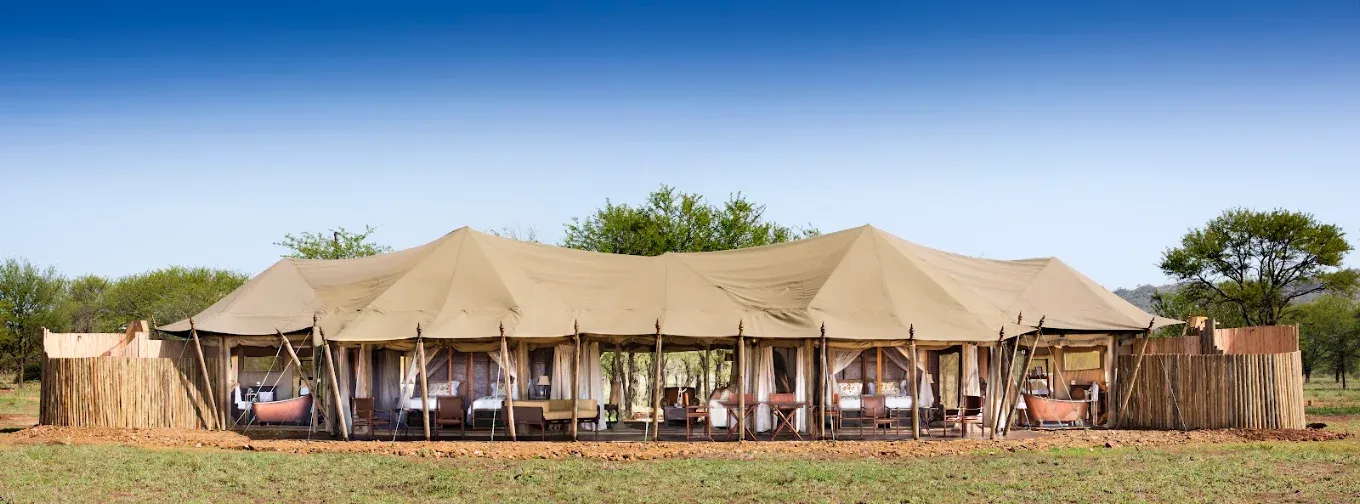
Where you stay in the Serengeti shapes your safari as much as when you go. We match your camp to the season — close to the herds — and to the style of stay you prefer.
The Serengeti is the heart of most of our northern safaris. These itineraries can each be tailored to your dates, comfort level and the position of the herds.
The Seronera River valley is the park’s wildlife heartland, with permanent water, resident lion prides and some of Africa’s best leopard viewing. It is a reliable choice in any month and easy to combine with other regions.
02December – March · calving season
Serengeti
Southern Serengeti & Ndutu
In the rains, the short-grass plains around Ndutu (on the border with the Ngorongoro Conservation Area) host the migration’s calving season — a time of plenty, and of intense predator activity.
03May – July · Grumeti crossings
Serengeti
Western Corridor (Grumeti)
Stretching towards Lake Victoria, the Western Corridor follows the Grumeti River. The herds pass through in early dry season, crossing a river known for its huge crocodiles.
04July – October · Mara River crossings
Serengeti
Northern Serengeti (Kogatende & Lamai)
Remote, hilly and beautiful, the north is where the herds cross the Mara River. Out of migration season it is wonderfully quiet, with good elephant and big-cat viewing.
Before you go
Essential travel information
Park fees
Conservation and concession fees are charged per person per day and are set by Tanzania National Parks. They are included in all our safari quotes.
How long to stay
Allow at least three nights in the Serengeti, or four to six if you want to combine two regions — for example the central valley and the migration area.
What to pack
Neutral-coloured layers (mornings are cool), a warm fleece, sun hat, sunglasses, sunscreen, binoculars and a soft duffel bag for light-aircraft flights.
Park rules
Game drives run from sunrise to sunset. Vehicles keep to tracks in most areas, and visitors stay inside the vehicle except at designated sites.
Health & safety
The Serengeti is a malaria area — speak to your doctor about prevention. Tsetse flies occur in some woodland areas; avoid dark blue and black clothing.
Responsible viewing
Your guide keeps a respectful distance, limits time at busy sightings and never crowds an animal’s path — especially at river crossings.
We recommend at least three nights. With four to six nights you can explore two areas — for example the central Serengeti and the migration — without spending too much time on the road.
When is the Great Migration in the Serengeti?
The migration is in the Serengeti ecosystem all year. Calving on the southern plains is usually January to March, the Grumeti crossings around June, and the Mara River crossings in the north from about July to October. Timings depend on the rains.
Can you see the Big Five in the Serengeti?
Yes. Lion, leopard, elephant and buffalo are widespread. Black rhino are rare and found in a few areas such as Moru Kopjes, so we often combine the Serengeti with the Ngorongoro Crater, where rhino are seen more often.
Is the Serengeti worth visiting outside migration season?
Absolutely. The central Serengeti has resident lion, leopard, cheetah, elephant and plains game all year, and you will share sightings with far fewer vehicles.
Should we fly or drive to the Serengeti?
Driving lets you see Tarangire, Lake Manyara or Ngorongoro along the way. Flying saves a full day each way and is ideal for shorter trips or the remote north. Many guests drive in and fly out.
Is a Serengeti safari suitable for children?
Yes. Many camps welcome families, and private vehicles let you set your own pace. Some luxury camps have minimum ages, so tell us your children’s ages and we will suggest suitable places to stay.
What is the best month for a balloon safari?
Balloon flights operate all year in the central Serengeti and seasonally elsewhere. Flights depend on weather, so we schedule them early in your stay to allow for a second chance.
Photo gallery
Start planning
Plan your Serengeti safari
Tell us when you would like to travel and what you would love to see — calving, river crossings or big cats — and we will design a Serengeti safari around you.