


Primates
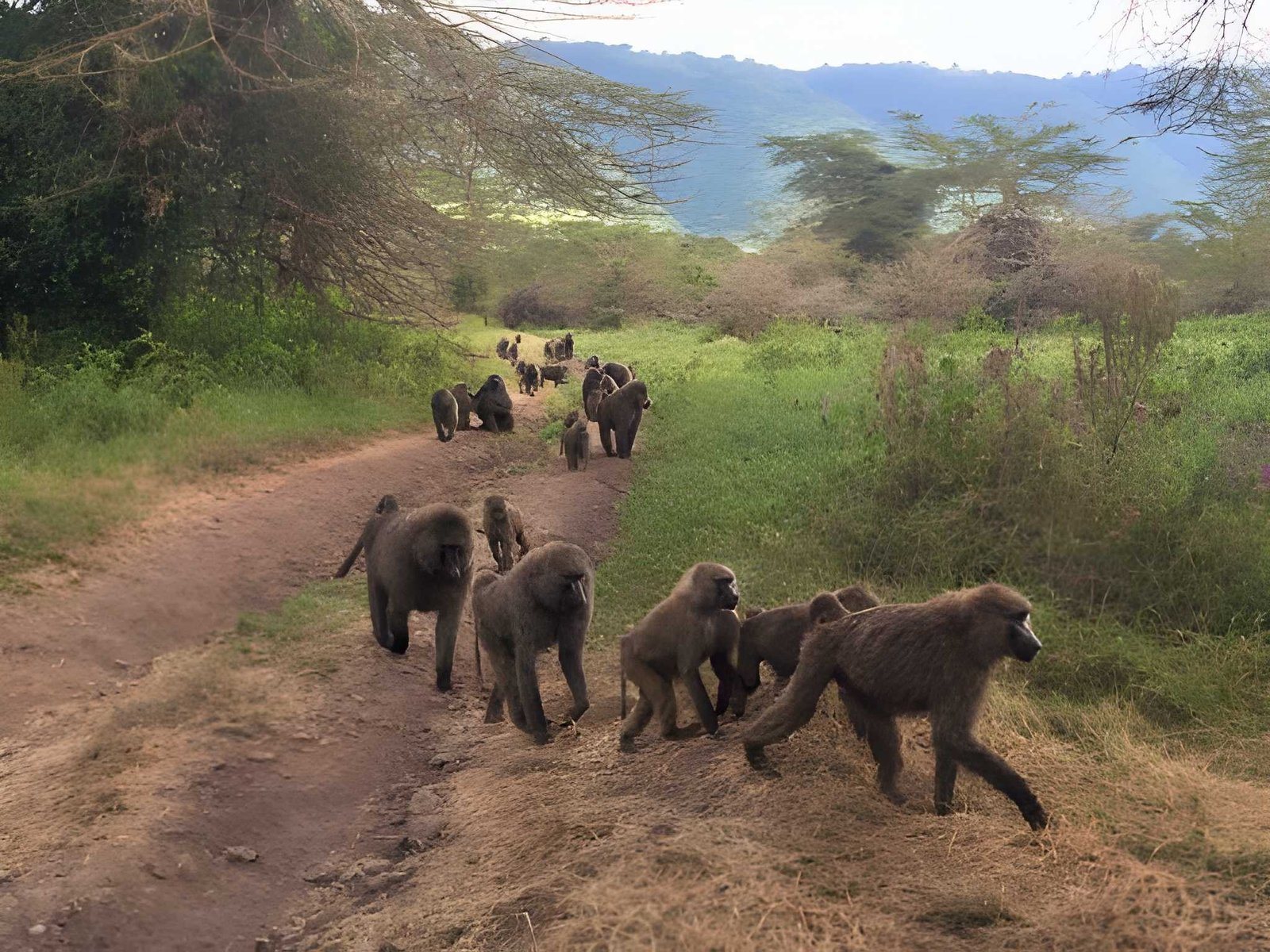
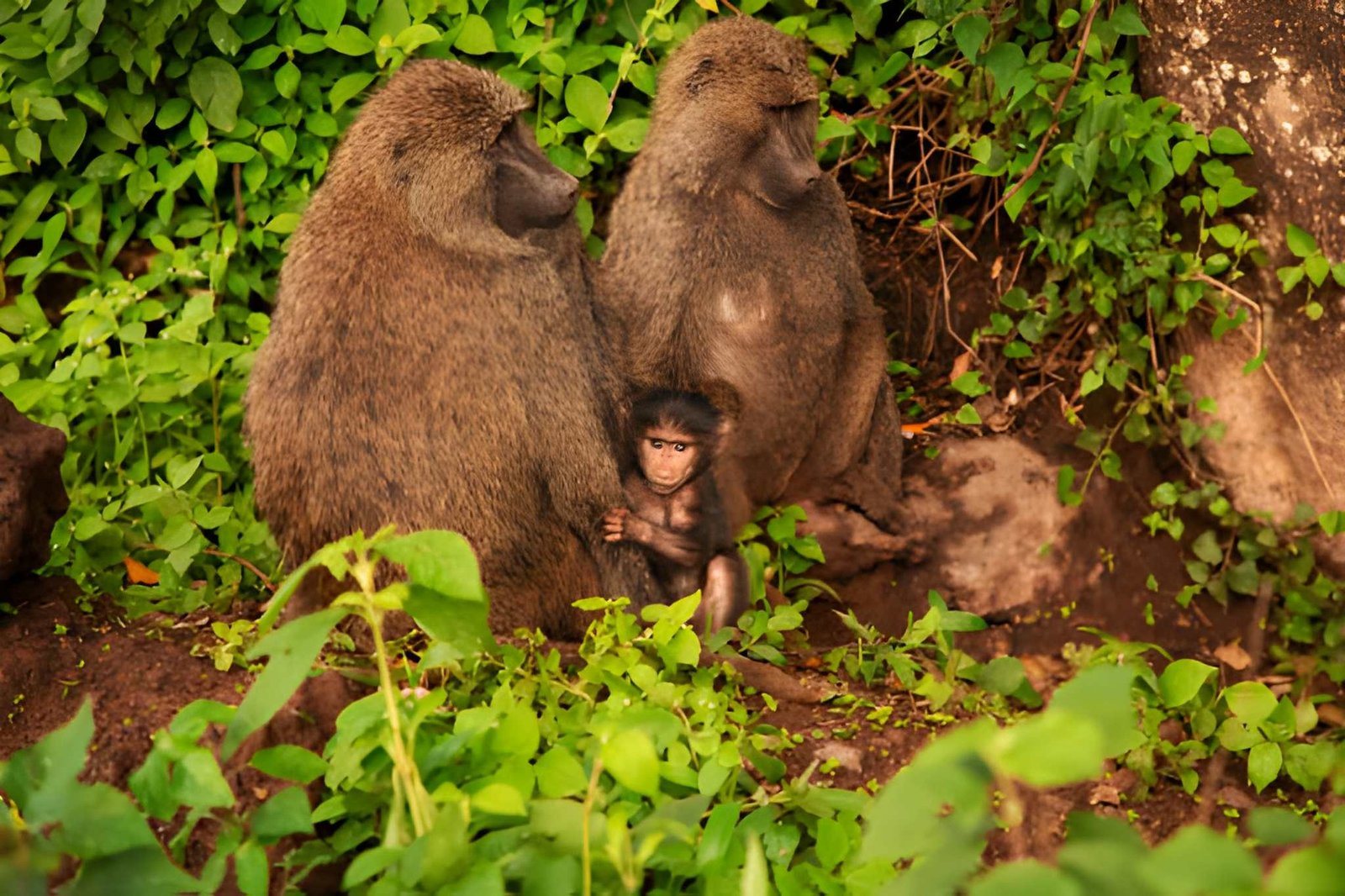
Large troops of olive baboons are one of the park’s signatures, along with blue monkeys and vervets in the forest.
A green jewel at the foot of the Great Rift Valley — groundwater forest, a shimmering soda lake, baboon troops, elephants and hundreds of bird species, two hours from Arusha.
Northern Tanzania · about 2 hrs by road from Arusha
Lake Manyara National Park stretches along the base of the Great Rift Valley escarpment, a dramatic wall of rock rising hundreds of metres above a shallow alkaline lake. Between the cliffs and the water lies a narrow strip of astonishing variety: lush groundwater forest, acacia woodland, open grassland and hot springs, all within a compact, easily explored park.
The lake itself takes up much of the park and changes with the seasons — sometimes edged with pink when flamingos arrive, sometimes shrinking back to mudflats crowded with pelicans and storks. Ernest Hemingway famously called it “the loveliest lake in Africa”.
Manyara is small enough to enjoy in half a day, which makes it a perfect stop between Arusha and Ngorongoro. It is especially rewarding for birdwatchers, families and first-time visitors who want a gentle introduction to the African bush.
The escarpment towers over the park — one of the most striking backdrops on any northern safari.
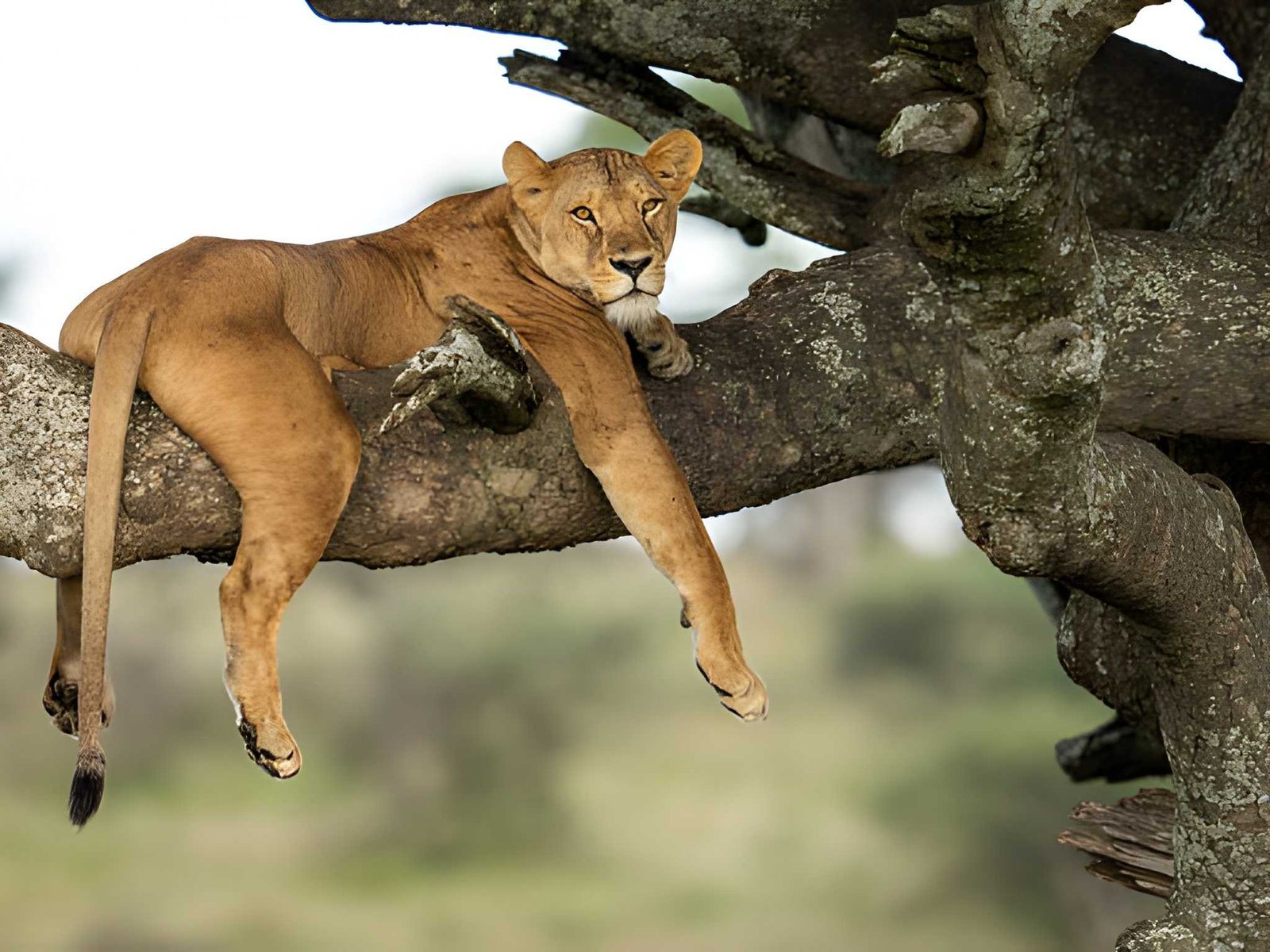
Manyara’s lions are known for resting in acacia trees. Sightings are never guaranteed, which makes them all the more special.
Around 400 bird species, from flamingos and pelicans to hornbills and crowned eagles.
Enter a cool green forest fed by underground springs, home to blue monkeys and large troops of olive baboons.
Walk among the forest canopy on a suspended walkway for a fresh perspective on the park.
Perfect as a half-day safari on the way to Ngorongoro, or a relaxed first taste of the bush.
Lake Manyara packs a lot of wildlife into a small area. Game drives are short and varied, moving from forest to grassland to lakeshore in a single morning.
Large troops of olive baboons are one of the park’s signatures, along with blue monkeys and vervets in the forest.
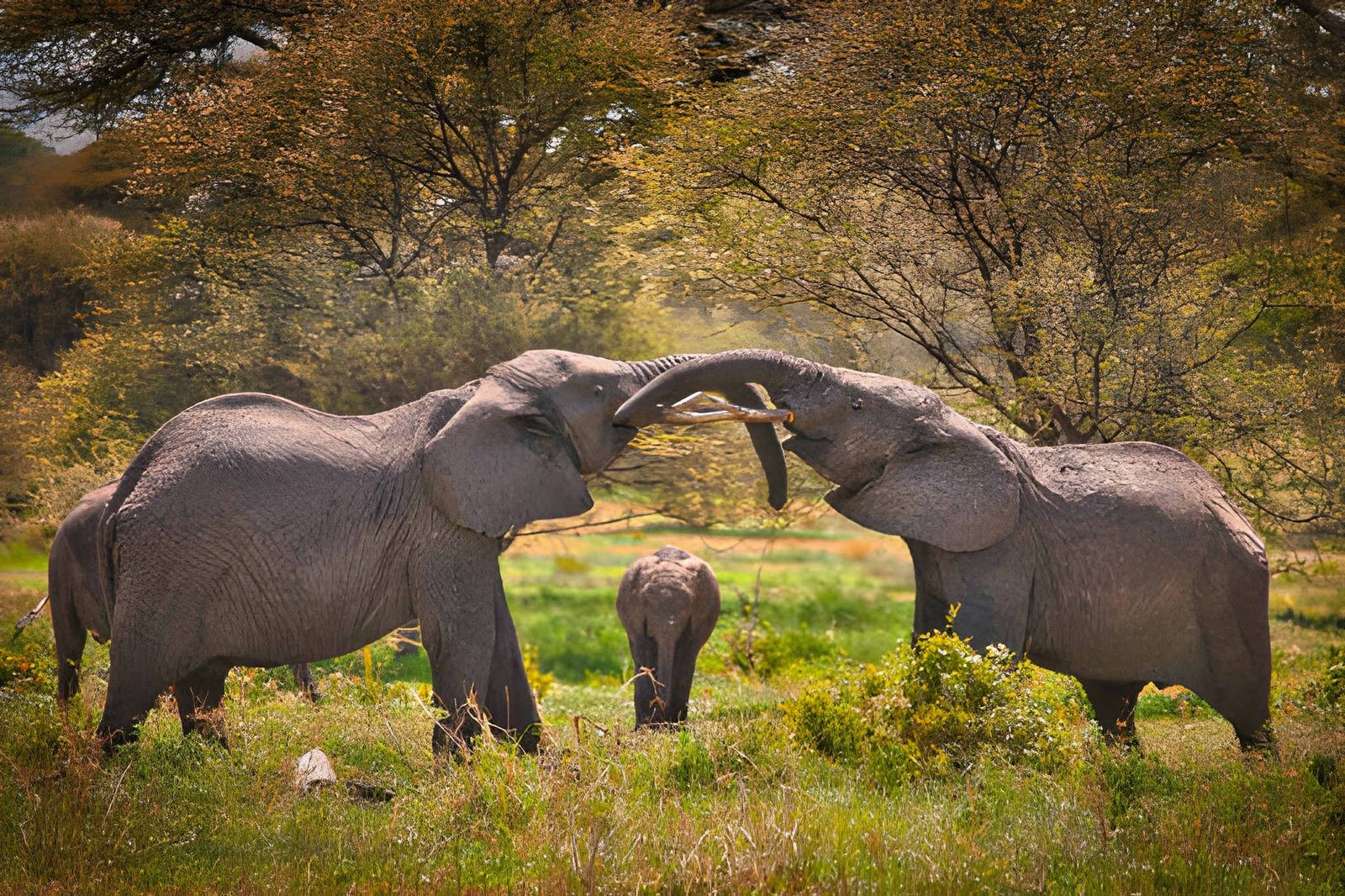
Elephants move through the forest and woodland, and buffalo, giraffe, zebra, wildebeest and impala graze the grasslands.
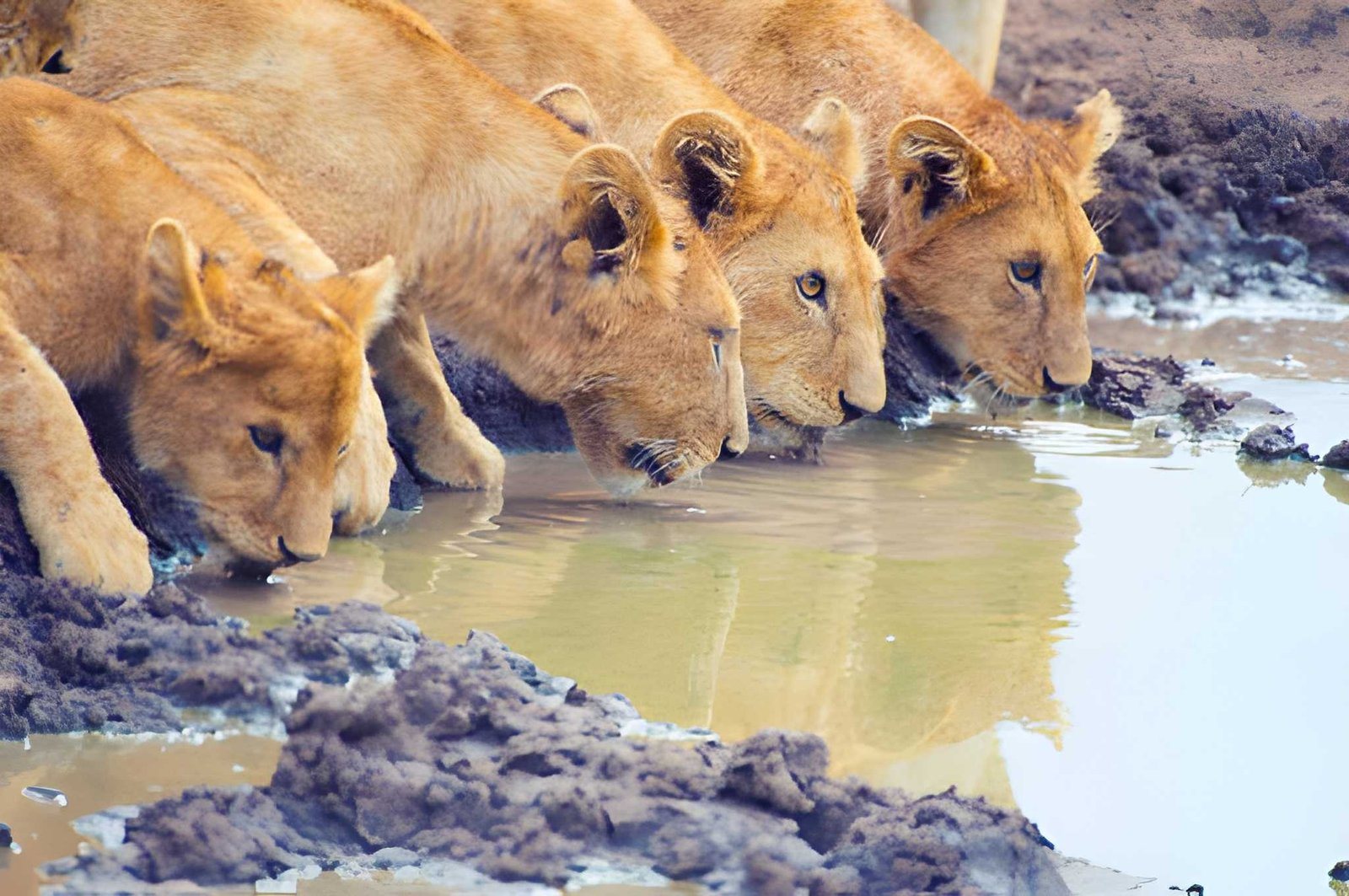
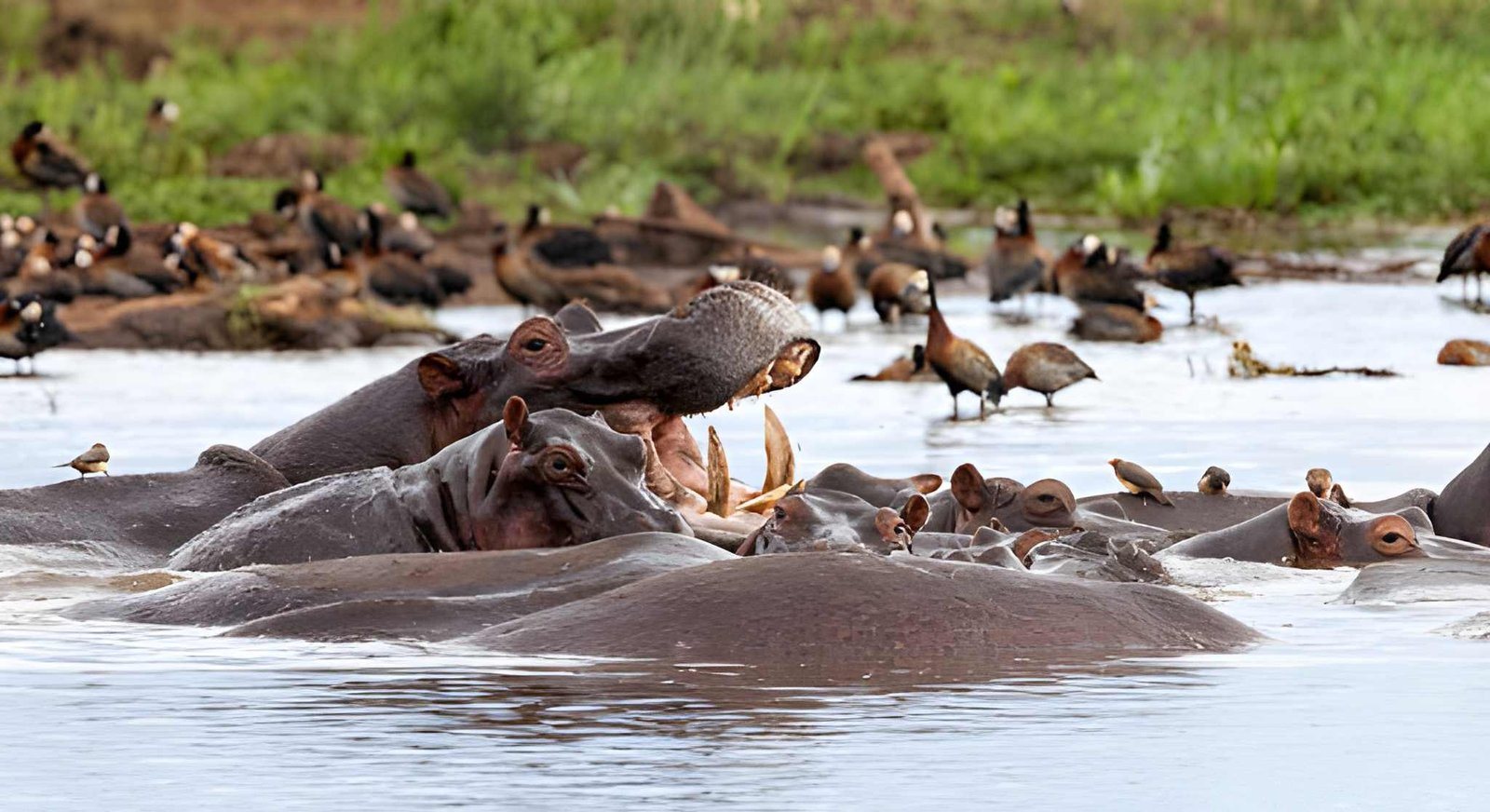
Lions are present and sometimes rest in trees. Hippos gather at the hippo pool near the lakeshore.
Flamingos, pelicans, yellow-billed storks, crowned hornbills, silvery-cheeked hornbills and fish eagles are among the highlights.
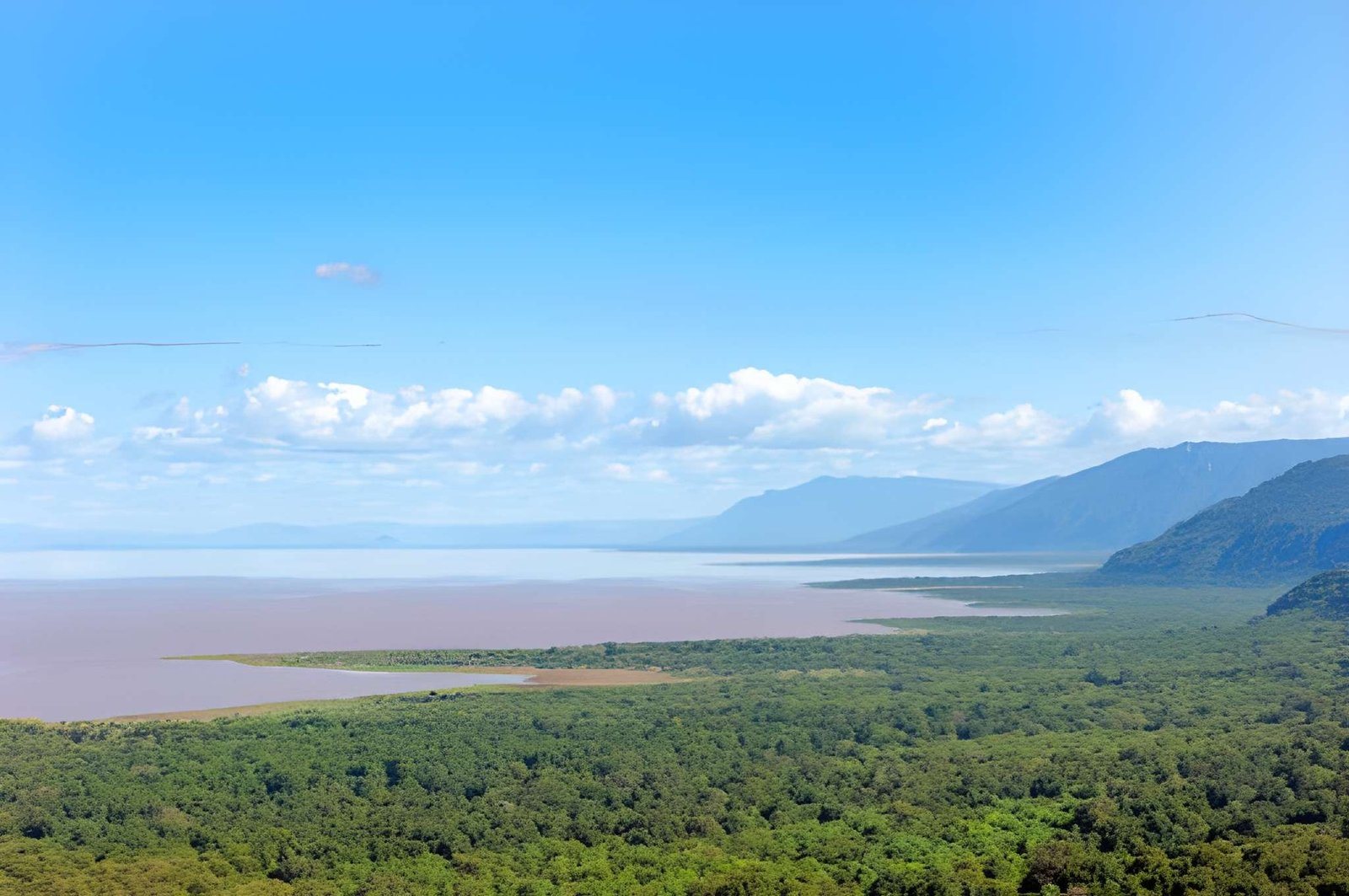
Entering the park, you pass almost immediately into groundwater forest, where tall mahogany and fig trees grow from springs that seep out of the escarpment. Further south, the forest opens into acacia woodland and grassy floodplains that run down to the lake.
At the southern end, the Maji Moto hot springs bubble to the surface. Throughout the park, the Rift Valley wall dominates the view — green after the rains, golden in the dry season.
Half or full-day drives through forest, woodland and lakeshore, often on the way to Ngorongoro.
A suspended walkway through the forest canopy, ideal for families and nature lovers.
Seasonal canoe trips on the lake, depending on water levels, for close views of birds and hippos.
Cycle or walk through the lively market town at the park gate, with banana farms and many cultures living side by side.
One of the easiest places in the north to see a huge variety of birds in a short time.
Lake Manyara can be visited all year. The dry season is best for larger mammals; the wet season brings lush forest, migrant birds and, often, more flamingos on the lake.
Excellent birding with migrants present. The forest is lush and the park is quiet.
Warm days, green landscapes and excellent birding, with migratory species still present. A quieter, good-value month.
Afternoon storms build through the month. Landscapes are at their most dramatic and there are very few other vehicles.
The wettest month. Some roads become muddy and a few camps close, but rates are at their lowest and the scenery is lush.
Showers ease towards the end of the month and the bush is deep green. A peaceful time to travel with flexible plans.
Cooler, clearer days. Vegetation starts to thin and wildlife viewing improves week by week.
Dry and pleasant, with cool mornings and evenings. One of the most popular months — book early.
Animals gather near permanent water and sightings are at their most reliable. Expect warm days and chilly nights.
Very dry landscapes and superb wildlife concentrations. Warm days, beautiful light for photography.
Hot, dusty and rewarding. Water sources are few, so predators and prey meet often. Fewer visitors than August.
Short rains refresh the forest and migrant birds return — a lovely time for birders.
Green landscapes, newborn animals and warm days with passing storms. Festive dates book up early.
Lake Manyara is about 125 km from Arusha, roughly 2 hours on tarmac, and the park entrance is right beside the town of Mto wa Mbu. It lies on the main road to Ngorongoro and the Serengeti, so it is easy to include on the way.
There is a small airstrip on the escarpment above the park, used for light-aircraft transfers to and from the Serengeti.
Most guests stay on the escarpment above the park, with sweeping views over the lake and the Rift Valley — or continue to Karatu.
 Mid-Range
Friendly lodges and tented camps around Mto wa Mbu and on the escarpment, close to the park gate.
Browse Mid-Range lodges →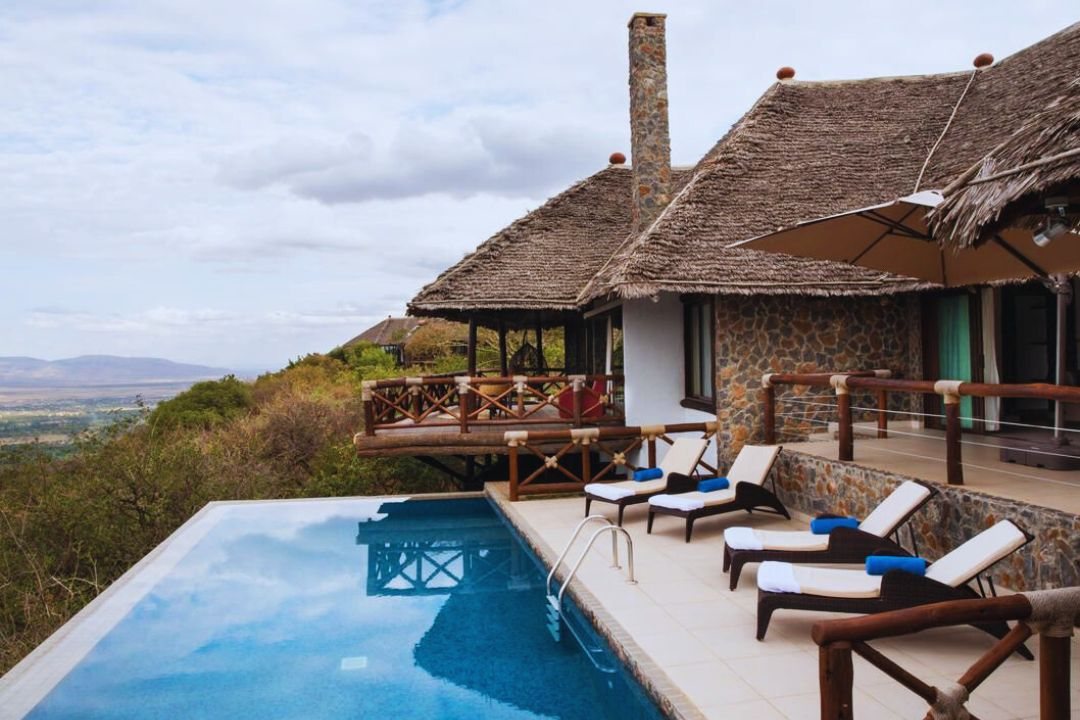 Luxury
A luxury lodge on the rim of the Rift Valley above Mto wa Mbu — 48 deluxe rooms and a villa with panoramic views, an infinity pool, spa and butler service.
View the lodge →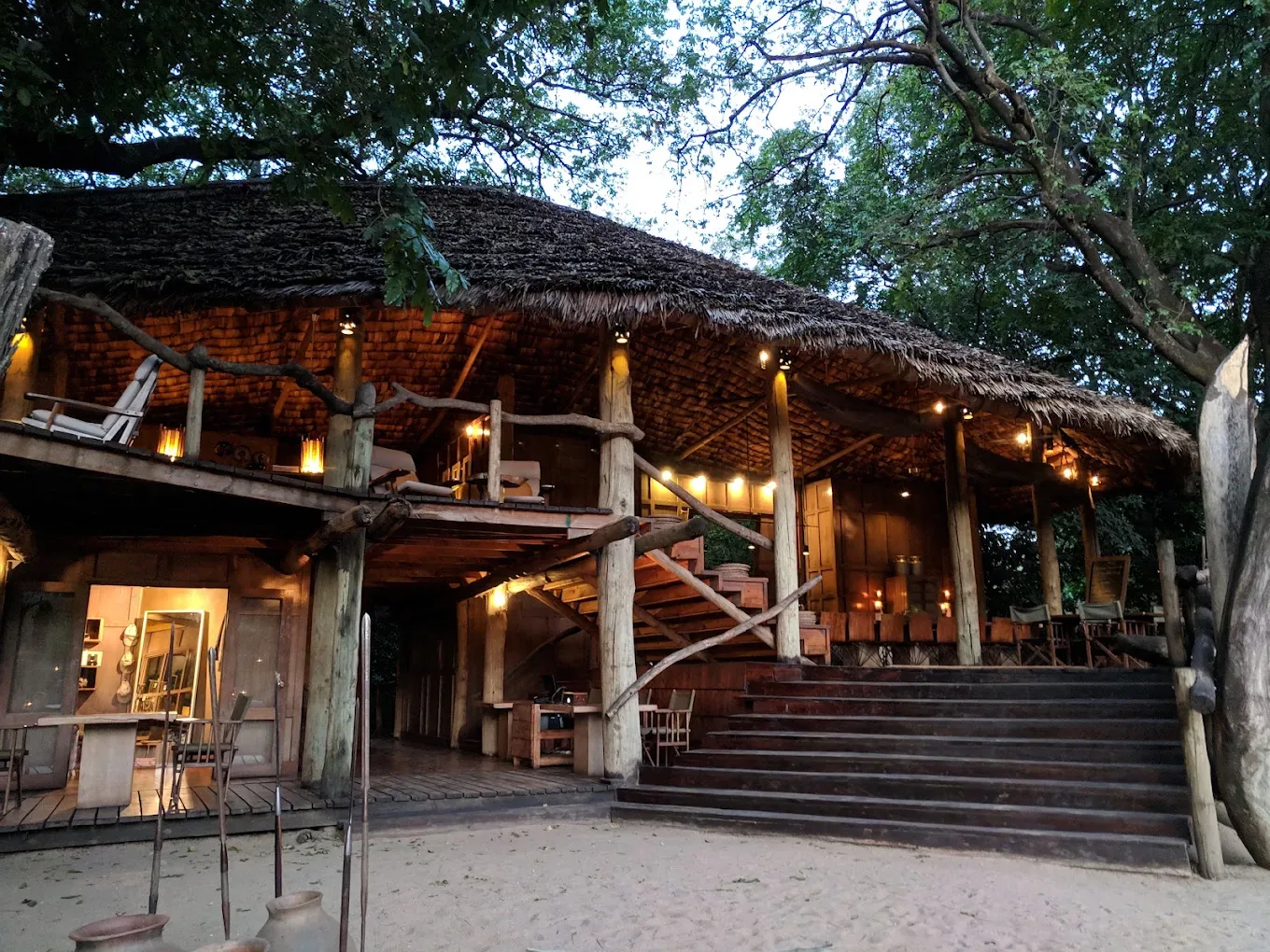 Ultra Luxury
The only lodge inside Lake Manyara National Park — thatched treehouse suites in a mahogany forest in the remote south of the park, by andBeyond.
View the lodge →Lake Manyara is often combined with Tarangire, Ngorongoro and the Serengeti. These safaris include a visit.
Wildlife safari
Tarangire · Ngorongoro · Lake Manyara
Tarangire, the Ngorongoro Crater and Lake Manyara in three days — elephants and baobabs, a full crater morning and Rift Valley forests.
Wildlife safari
Tarangire · Serengeti · Ngorongoro · Lake Manyara
Tarangire’s baobabs, the Serengeti plains, the Ngorongoro Crater and Lake Manyara — four great parks in a private five-day safari.
Wildlife safari
Tarangire · Serengeti · Ngorongoro · Lake Manyara
Six days from Tarangire’s baobabs to two nights on the Serengeti plains, the Ngorongoro Crater and Lake Manyara — a private northern circui…
 01
All year · primates & birds
Just inside the gate, a cool forest fed by springs, home to baboons, blue monkeys and forest birds.
02
Wet season · flamingos & pelicansOpen floodplains leading to the lake, where hippos wallow and waterbirds gather.
 03
Full-day visits
Hot springs at the southern end of the park, reached on longer game drives.
Entry fees are set by Tanzania National Parks and included in our safari quotes.
A half day covers the highlights. Stay a night if you would like to add canoeing or a village tour.
Flamingo numbers vary with water levels and are never guaranteed. Your guide will know the latest.
Light layers, sun protection, insect repellent and binoculars for the birds.
Lake Manyara is in a malaria area — speak to your doctor about prevention before travelling.
Fees, rules and opening times can change. For the latest official information, visit Tanzania National Parks (TANAPA) ↗
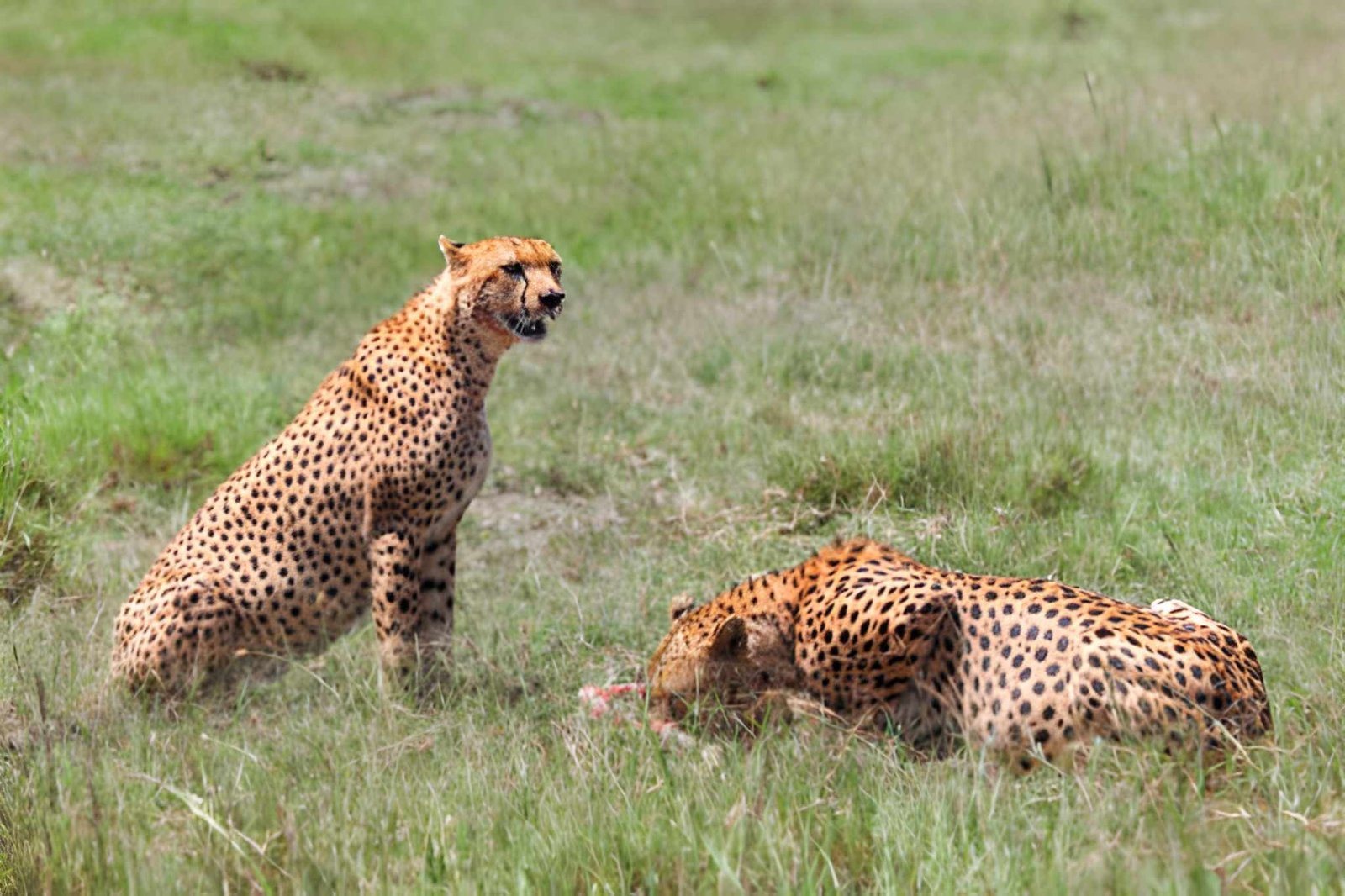
Great Migration, big cats, balloon safaris
Endless golden plains, the Great Migration and some of Africa’s finest big-cat viewing — Tanzania’s most celebrated wilderness, planned around you by…
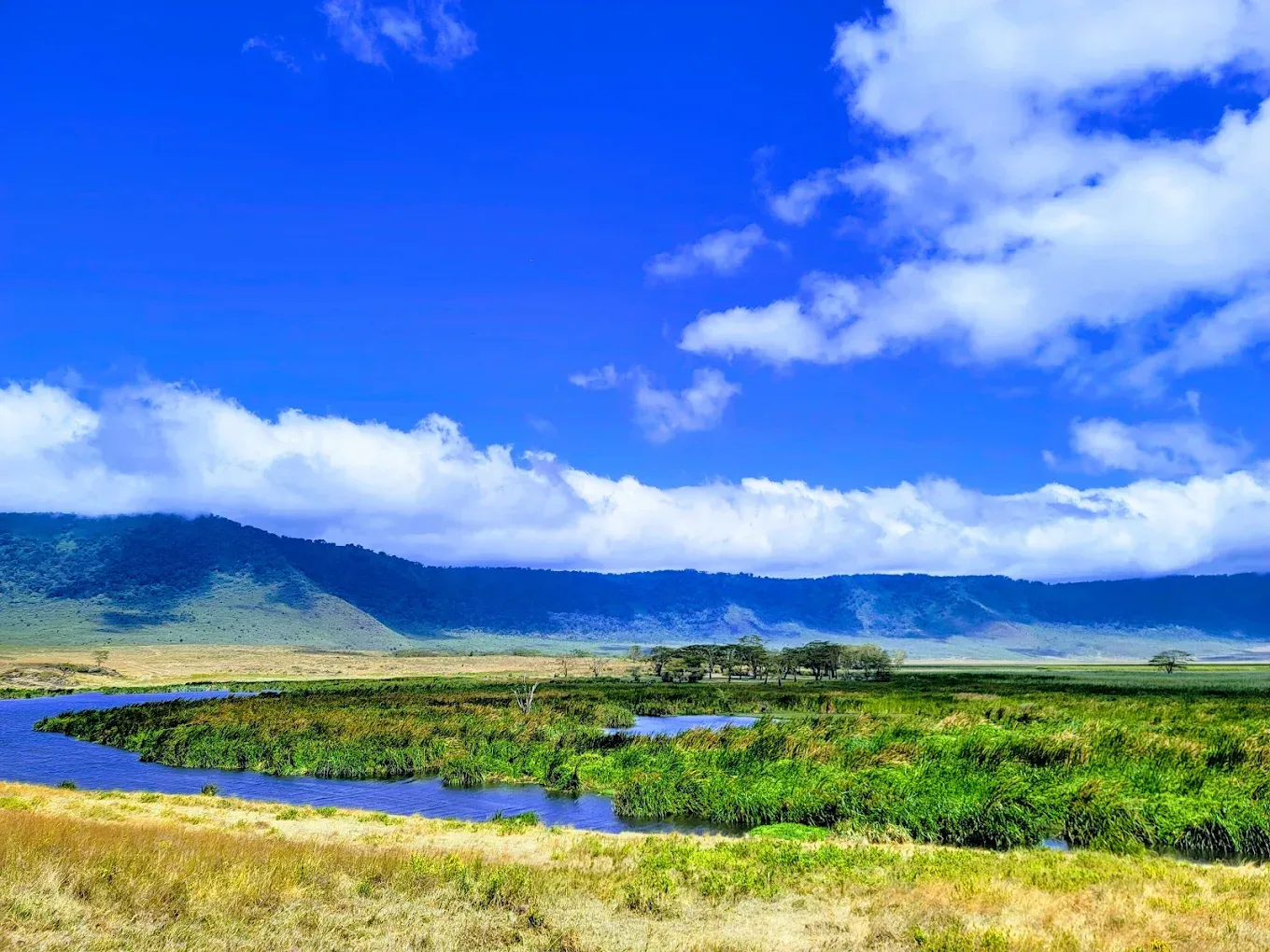
Black rhino, the Big Five in a day
A vast collapsed volcano sheltering a self-contained world of wildlife — from black rhino to lion — surrounded by highland forest, Maasai pastures an…
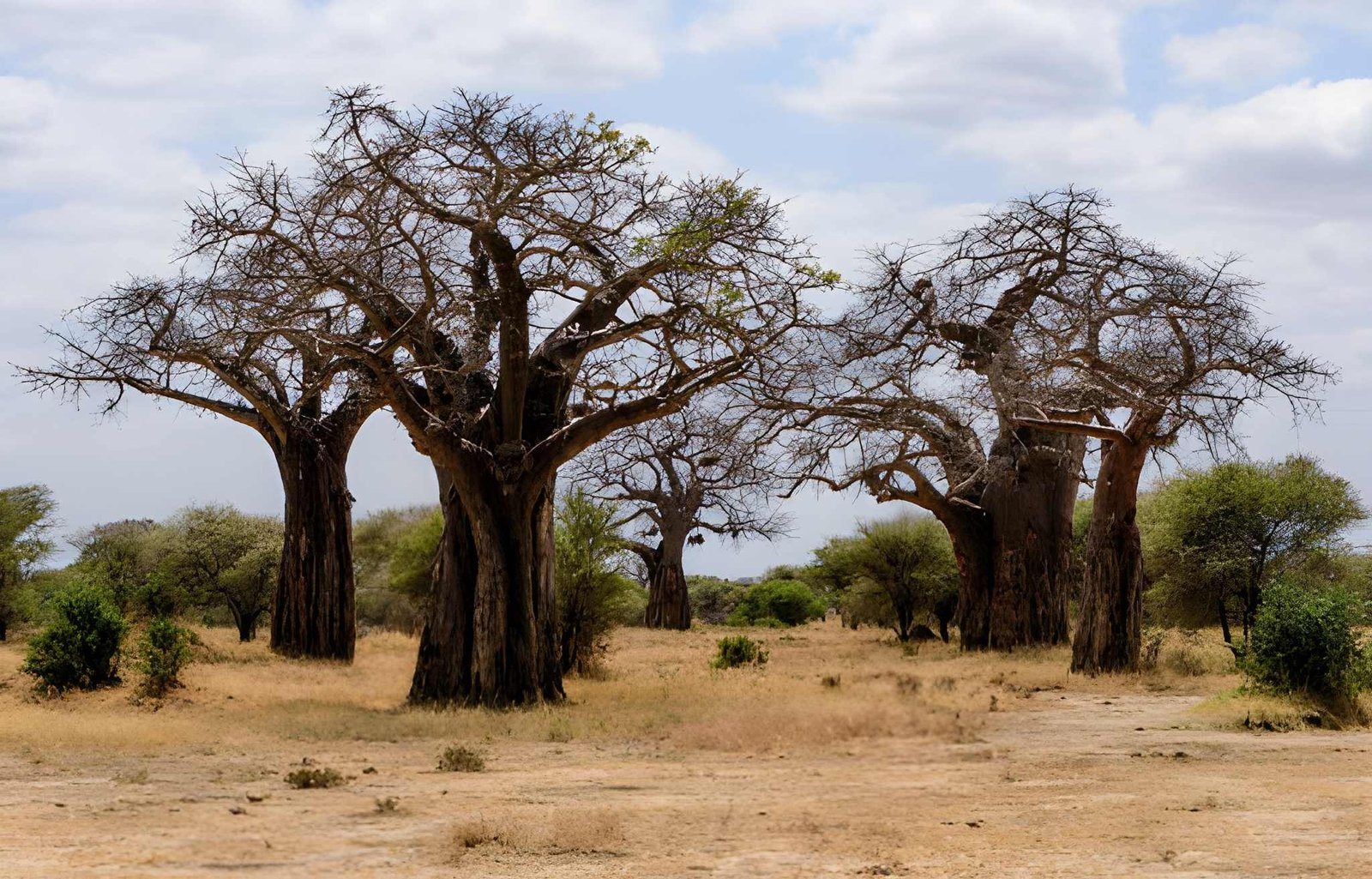
Elephant herds, baobabs, birding
Ancient baobabs, a lifeline river and some of the largest elephant herds in East Africa — Tarangire is northern Tanzania’s most underrated park, just…
Can’t find your answer? Our team in Moshi is happy to help.
Ask on WhatsAppYes, especially if you enjoy birds, forests and scenery. It is compact, varied and conveniently on the way to Ngorongoro.
A half-day game drive is enough for most travellers. Allow a full day or a night to add canoeing, the treetop walkway or a village tour.
It is possible, but lion sightings in Manyara are never guaranteed. Your guide will look for them, along with elephants, giraffes and baboons.
Flamingos come and go depending on water levels and food. They are often seen in the wetter months, but numbers vary from year to year.
They are close together, but we recommend a game drive in Manyara and an overnight stay before descending into the crater the next morning.
Elephants, giraffes, buffalo, zebra, hippos, large troops of baboons, blue monkeys and lions, along with around 400 species of birds.
Add the forests, birdlife and Rift Valley views of Lake Manyara to your journey — tell us your plans and we will do the rest.