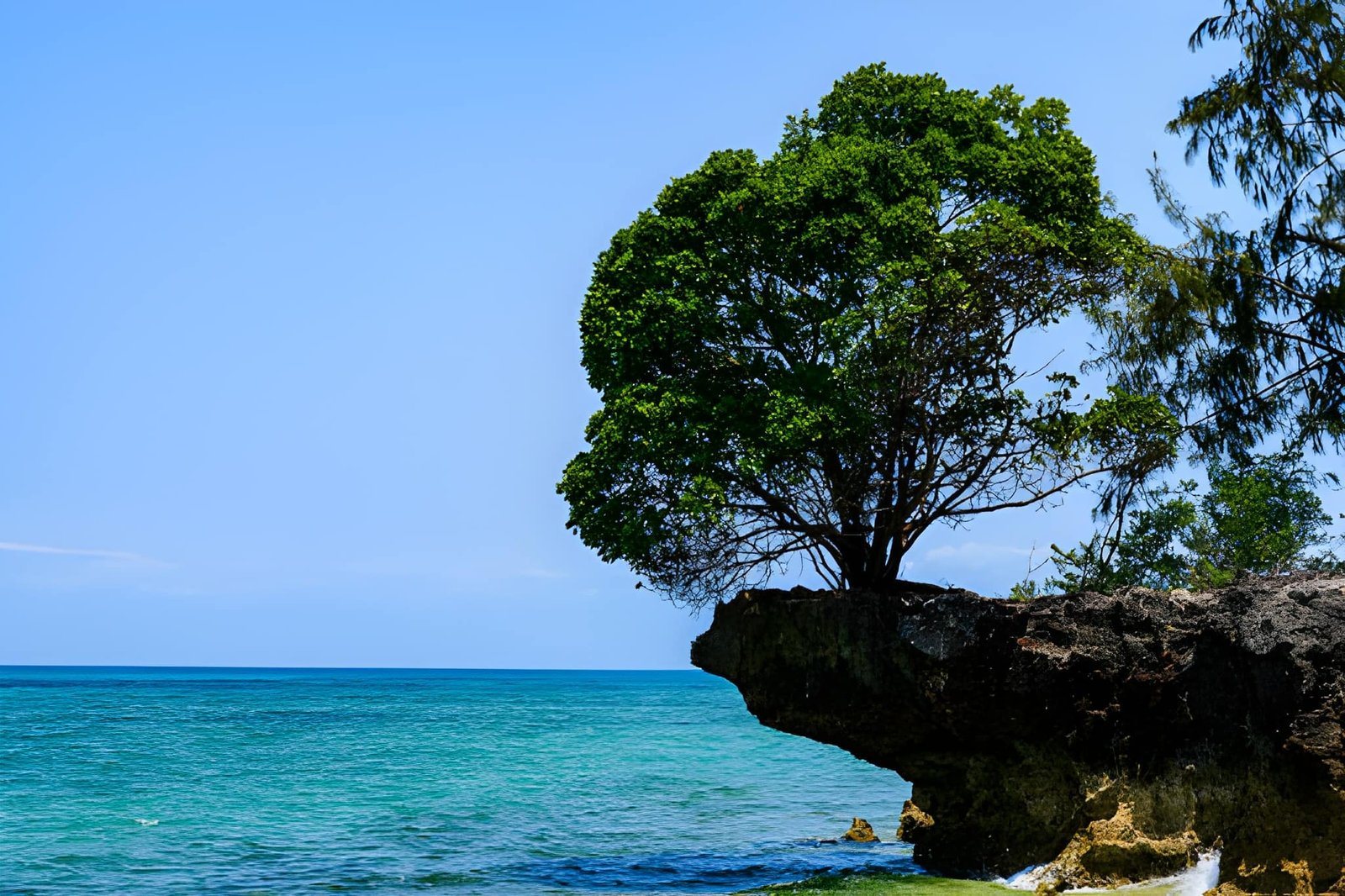
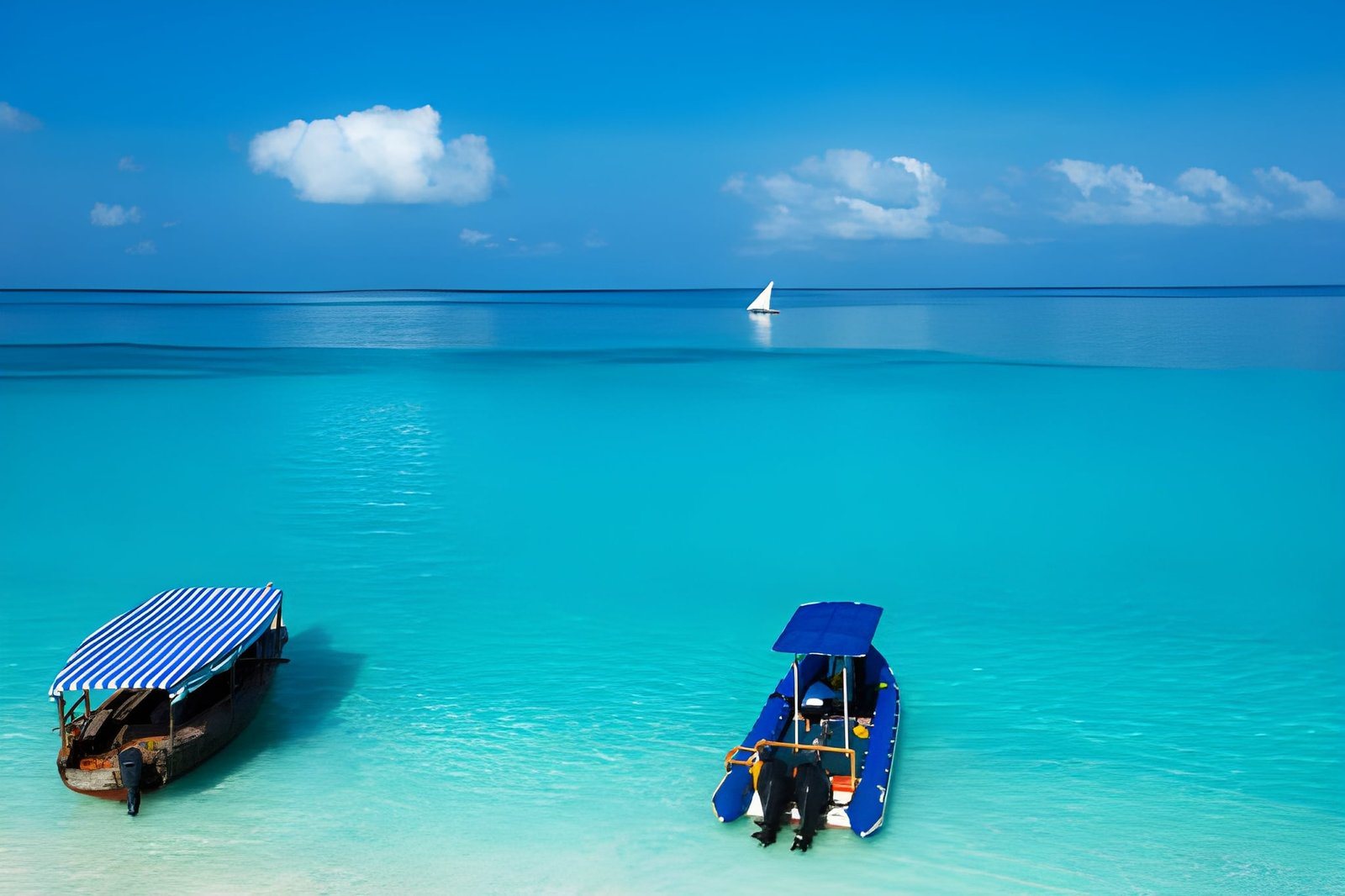
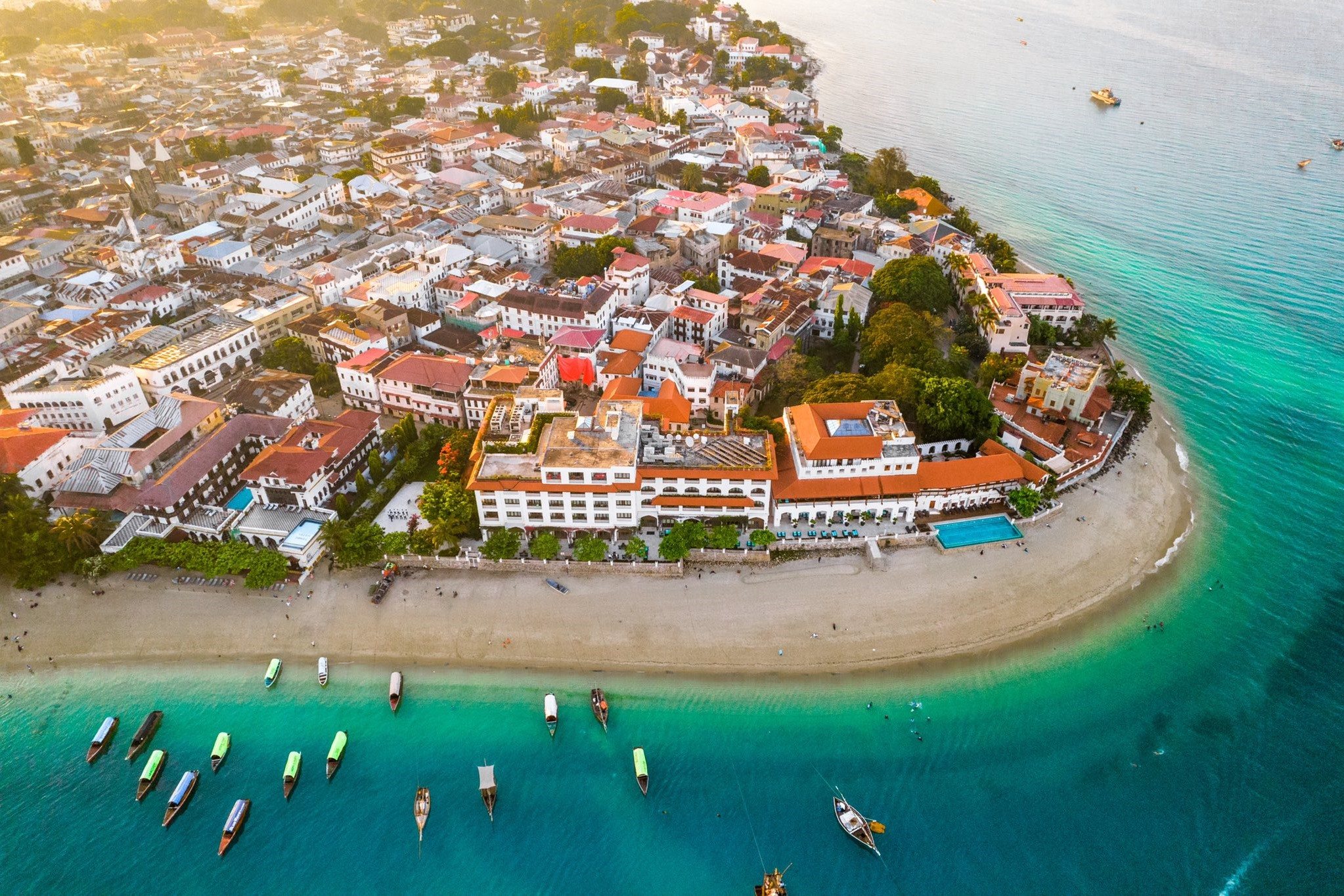
Zanzibar is an archipelago in the Indian Ocean, just off the coast of mainland Tanzania. Its main island, known locally as Unguja, is famous for its powdery white beaches, turquoise water and coral reefs — but there is much more to it than the beach. For centuries Zanzibar was a centre of trade between Africa, Arabia and India, and that history lives on in the spice farms, the Swahili culture and the winding lanes of Stone Town, a UNESCO World Heritage Site.
For many of our guests, Zanzibar is the perfect ending to a safari or a Kilimanjaro climb. Scheduled flights connect Arusha, Kilimanjaro and the Serengeti airstrips with the island in around one to two hours, so you can watch lions in the morning and be on the beach by the afternoon. Others come for the island alone: for diving and snorkelling, for a honeymoon, or simply to slow down.
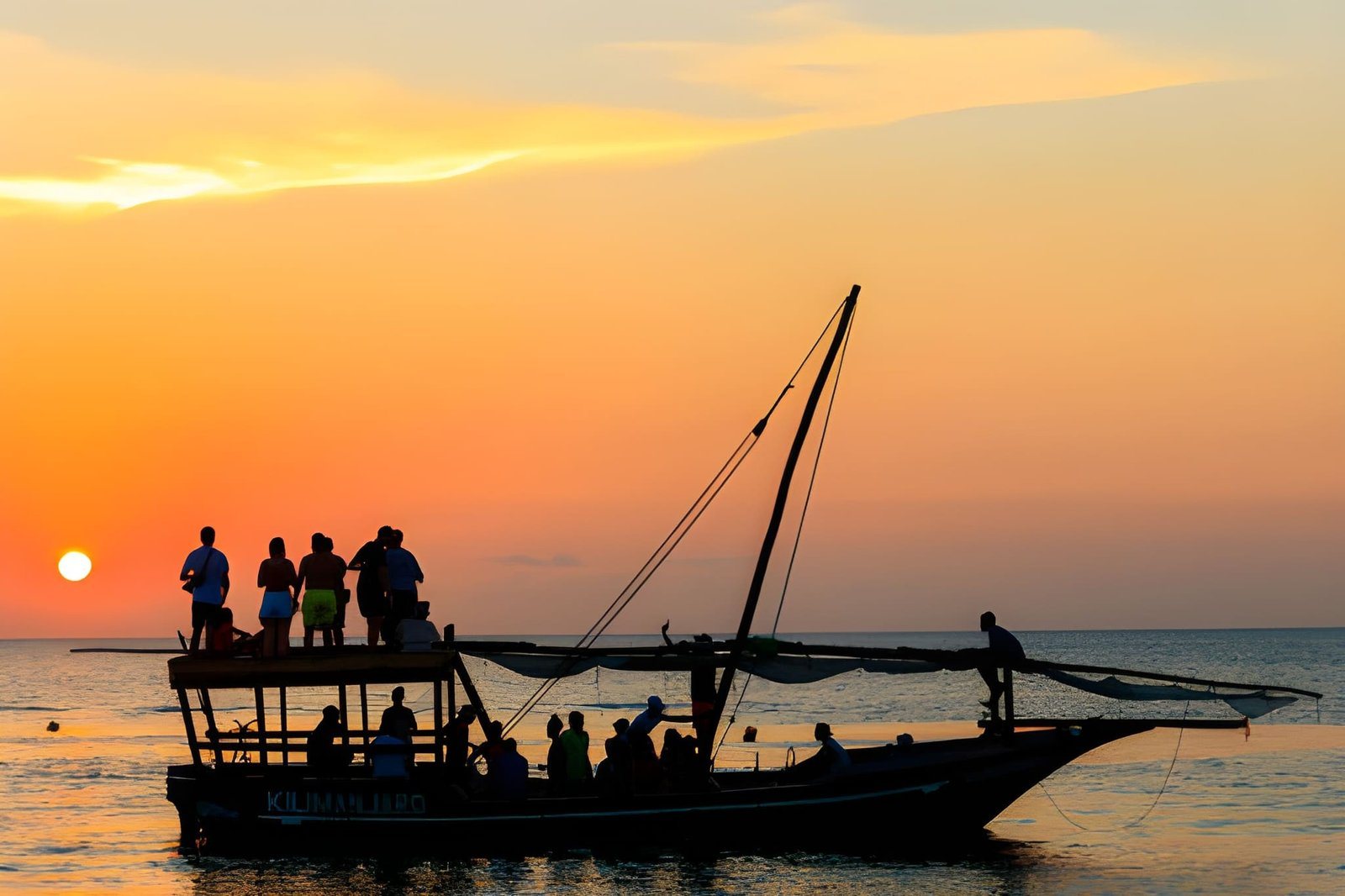
The island has very different coasts. The north, around Nungwi and Kendwa, has a small tidal range, so the sea is swimmable for most of the day, and some of the island’s best sunsets. The east coast — Matemwe, Paje, Jambiani, Bwejuu and Michamvi — has long, quiet beaches and large tides that reveal rock pools and seaweed farms at low tide; Paje is a well-known kitesurfing spot. Stone Town itself is ideal for a night or two of history, markets and rooftop dining.
We plan Zanzibar the same way we plan our safaris: matching the beach, the hotel and the experiences to the way you like to travel. Read our guide to Zanzibar beaches and where to stay, or explore honeymoon and luxury stays.