


Predators
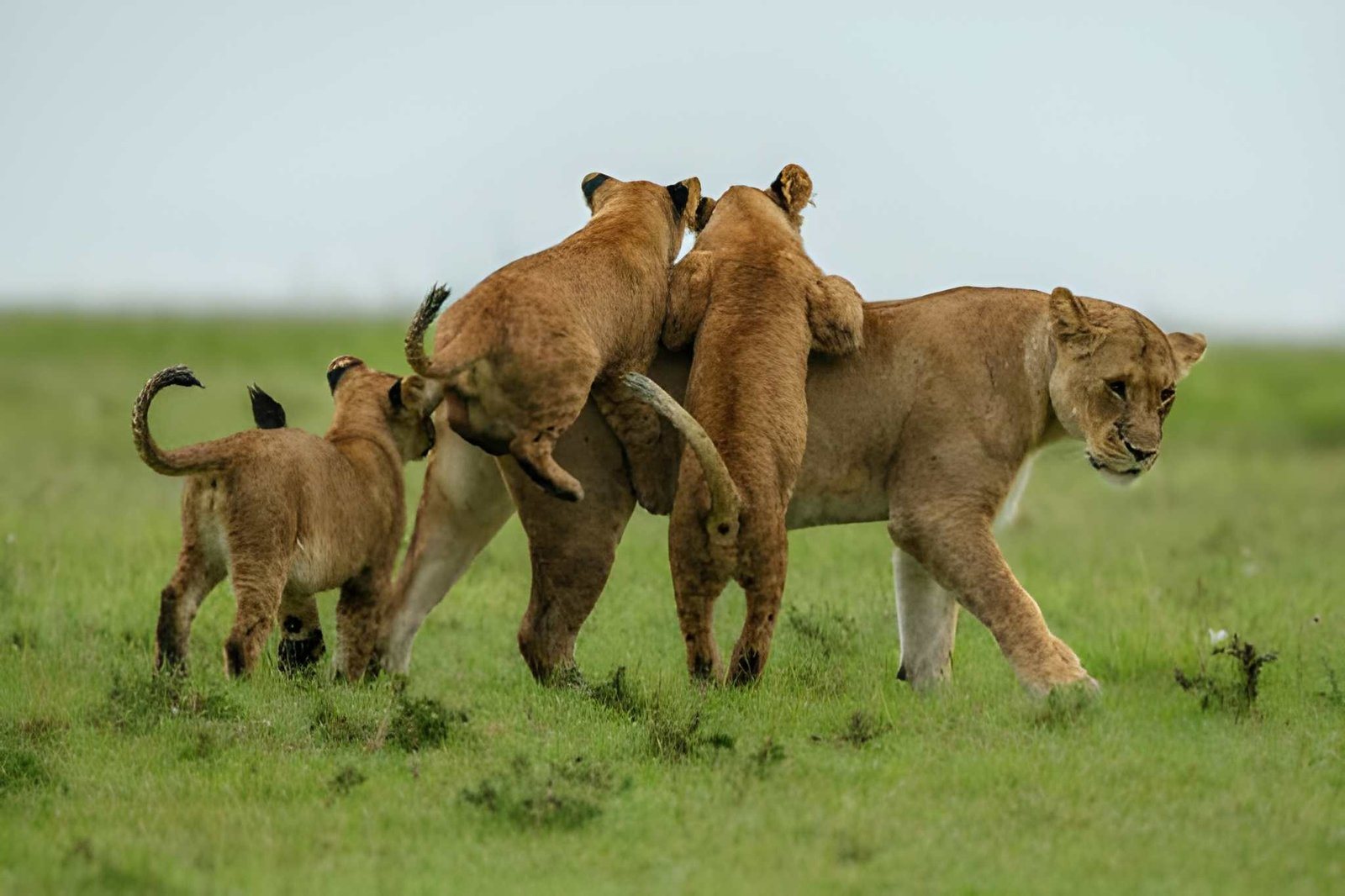
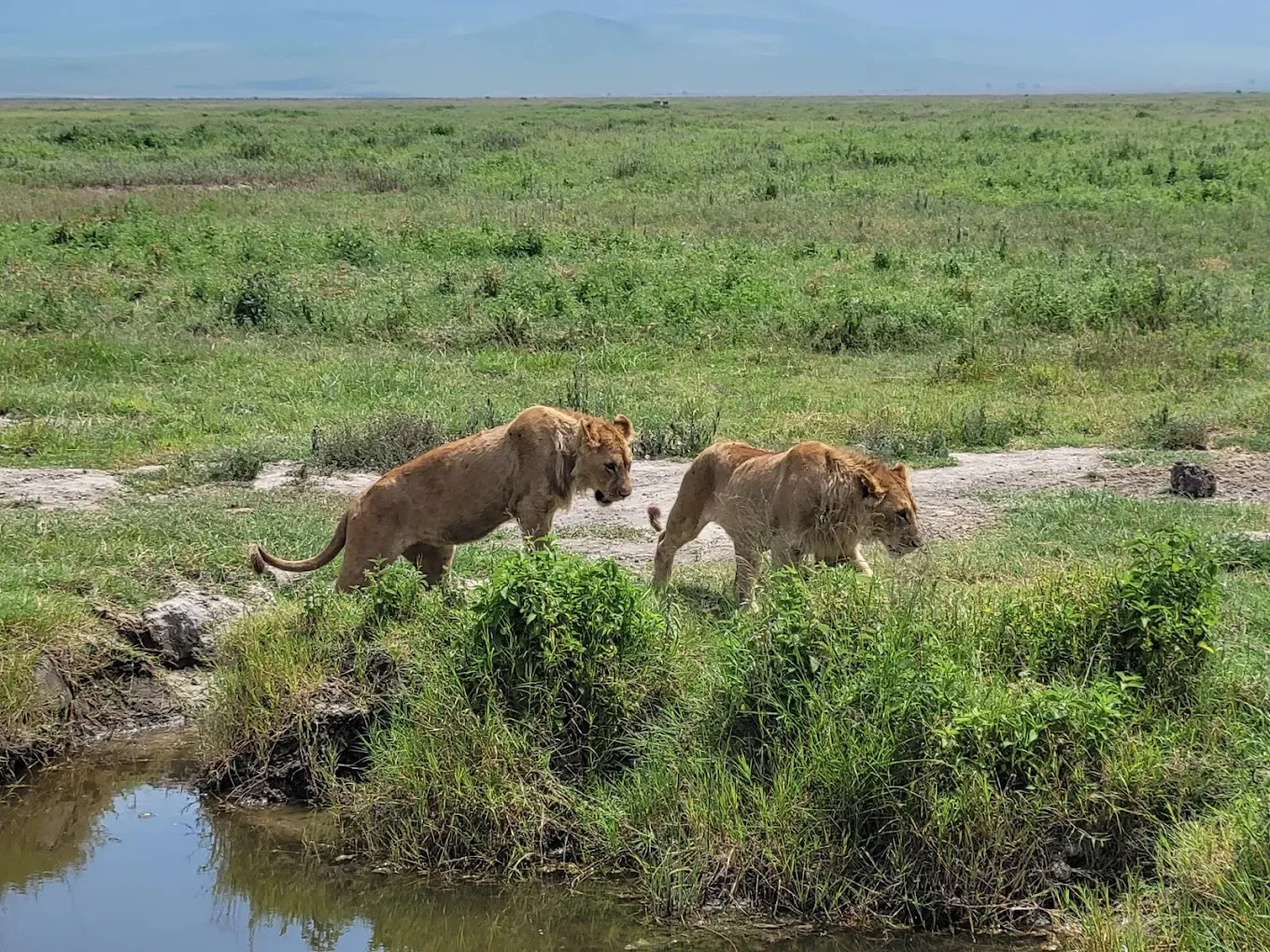
The crater supports one of Africa’s densest lion populations, and spotted hyena are everywhere. Golden and black-backed jackals, servals and the occasional cheetah are also seen; leopards keep to the forests.
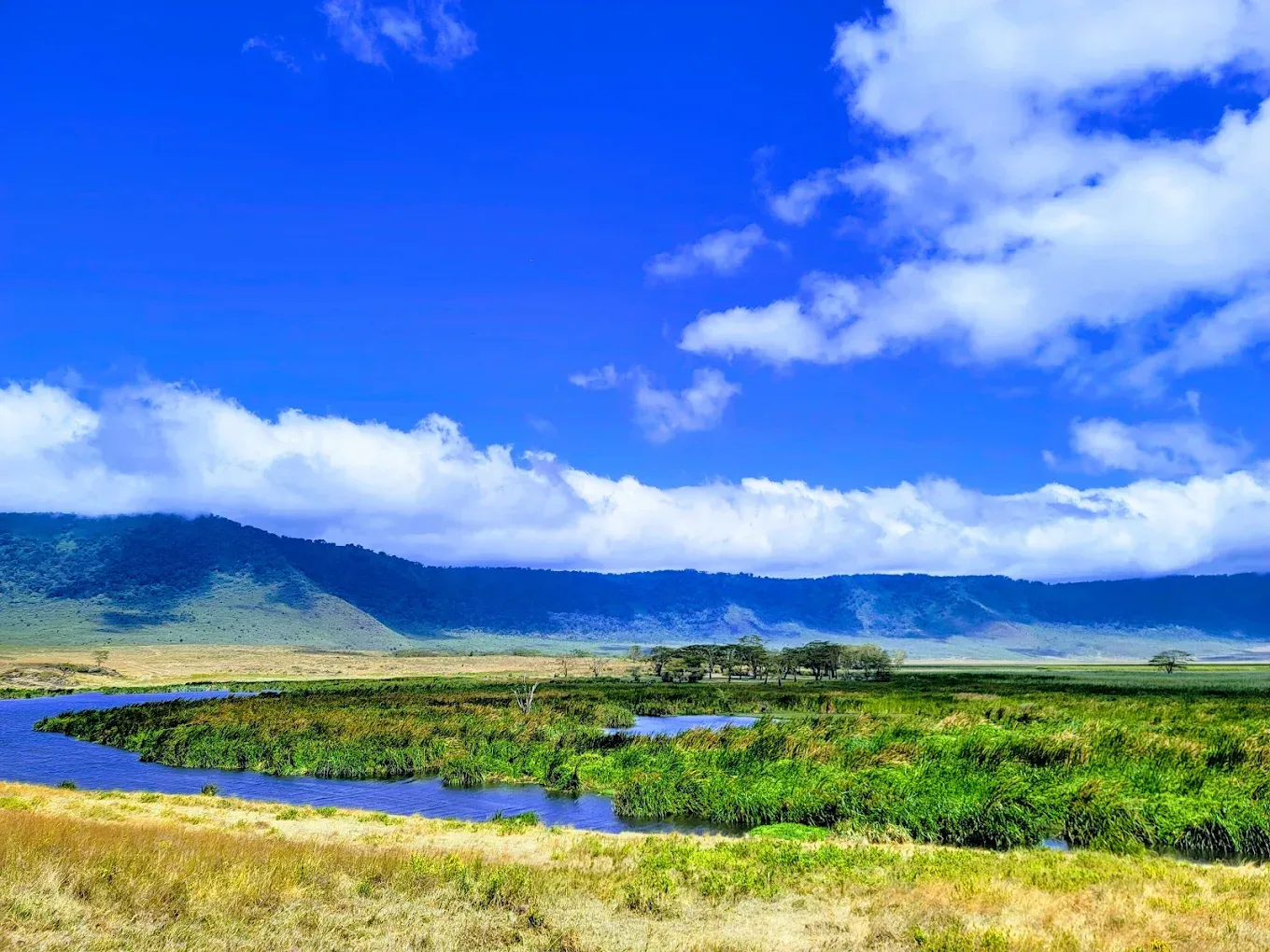
A vast collapsed volcano sheltering a self-contained world of wildlife — from black rhino to lion — surrounded by highland forest, Maasai pastures and the cradle of humankind.
Northern Tanzania · around 3–4 hrs by road from Arusha
The Ngorongoro Crater is one of the natural wonders of Africa: the largest unbroken, unflooded volcanic caldera in the world, its walls rising some 600 metres above a floor of grassland, swamp, forest and a shallow soda lake. Roughly 260 km² in size, the crater holds one of the densest concentrations of large animals on the continent — a world complete in itself.
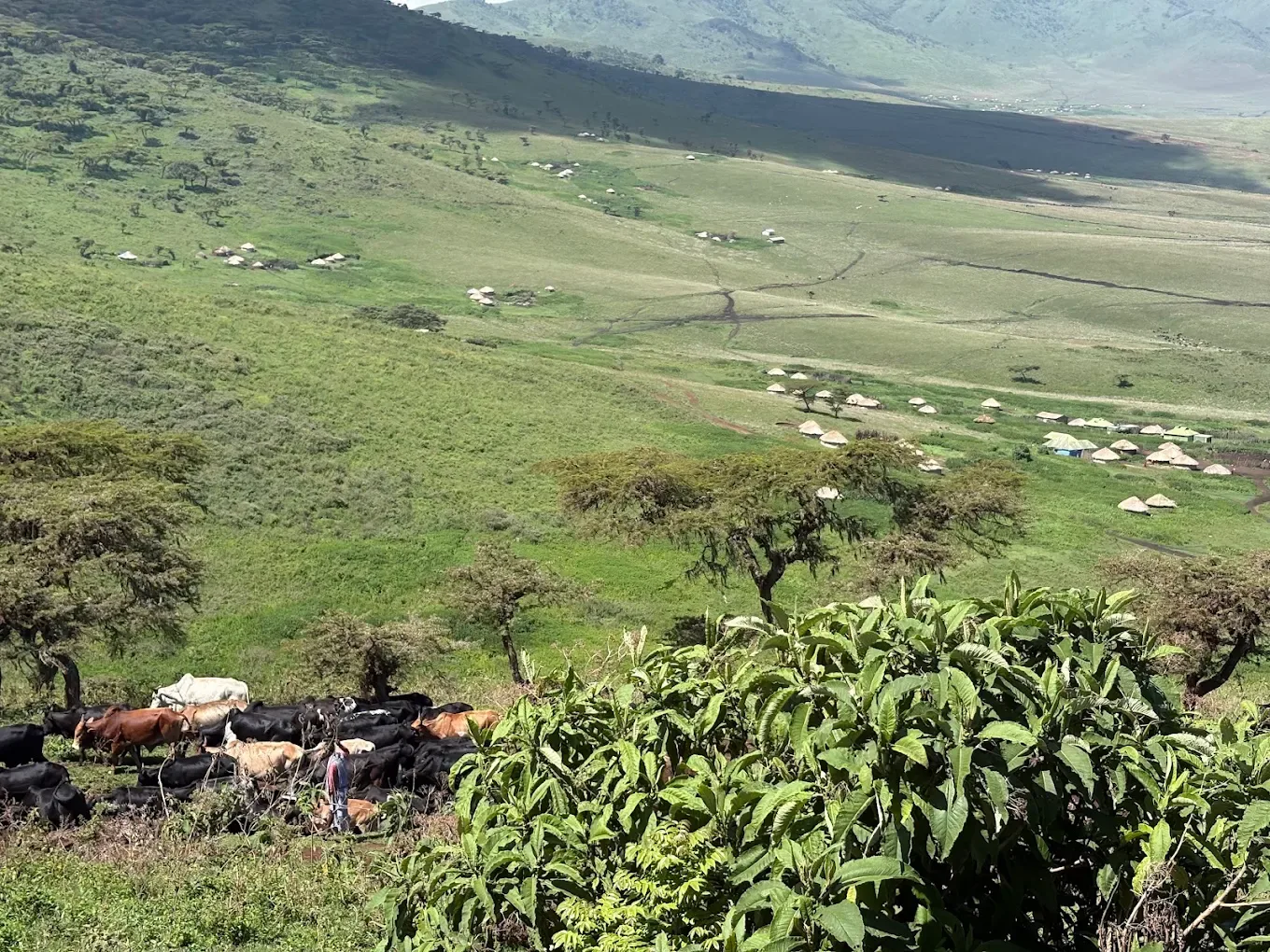
The crater lies within the Ngorongoro Conservation Area, around 8,292 km² of highlands, volcanic peaks and plains stretching west to the Serengeti. Created in 1959 and listed by UNESCO in 1979, it is unusual among Tanzania’s protected areas: wildlife and Maasai pastoralists share the land, and you will often see herders and their cattle on the crater rim.
The conservation area is also a place of deep human history. At Olduvai Gorge, discoveries by the Leakey family transformed our understanding of human evolution, and the footprints preserved at nearby Laetoli are about 3.6 million years old. For most travellers, a day on the crater floor is the highlight of a northern Tanzania safari — and the best chance on the circuit to see black rhino.
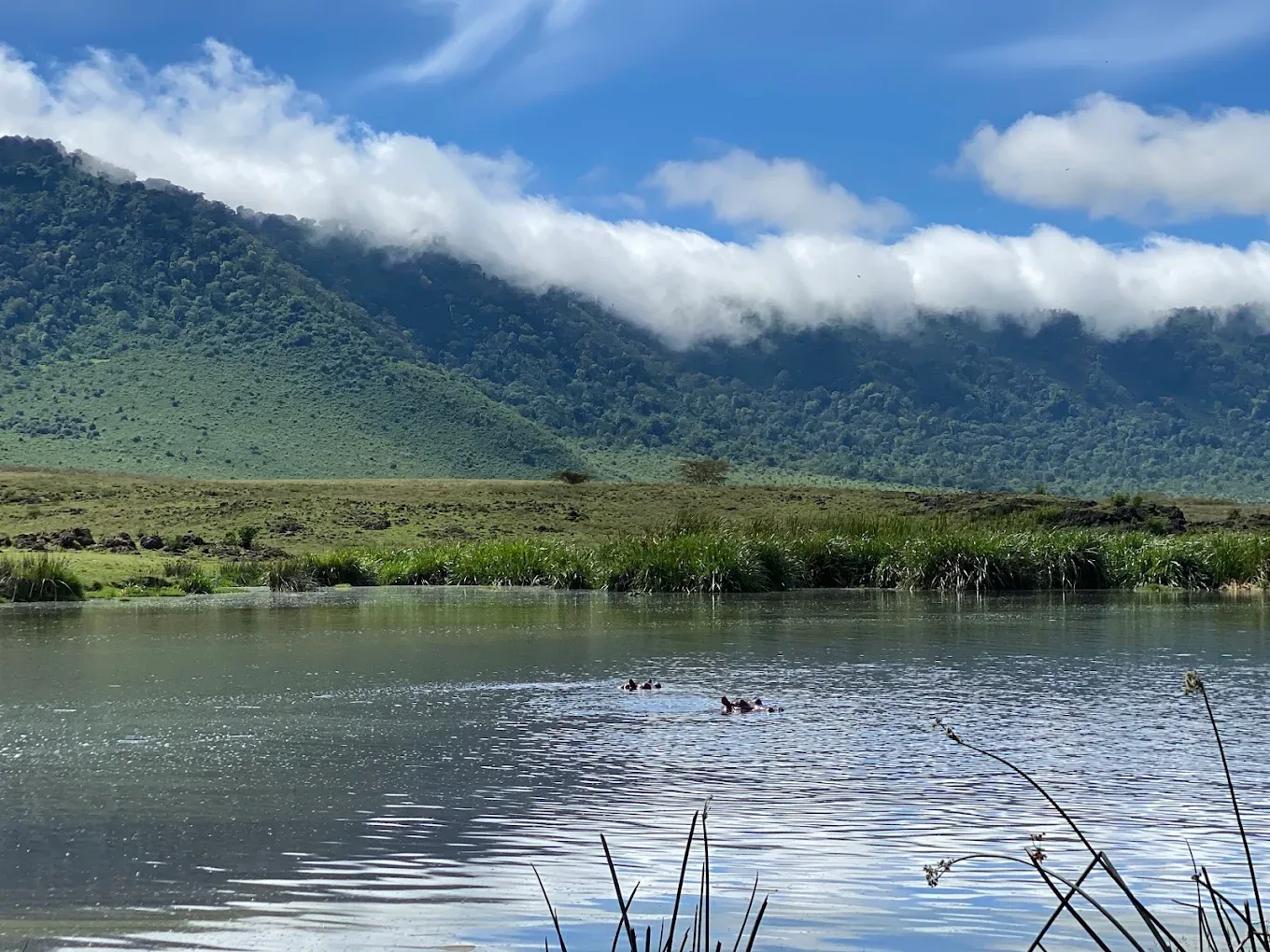
Descend 600 metres from the misty rim to a sunlit floor of grassland, swamp and lake, enclosed by forested walls.
The crater is one of the most reliable places in Tanzania to see the critically endangered black rhino in the wild.
Lion, elephant, buffalo and rhino are seen regularly; leopard is rarer, but possible in the forest near the crater walls.
Cool montane forest, rolling green highlands and the dramatic Olmoti and Empakaai craters beyond the main caldera.
Visit Olduvai Gorge and its museum, where some of the most important early human fossils were discovered.
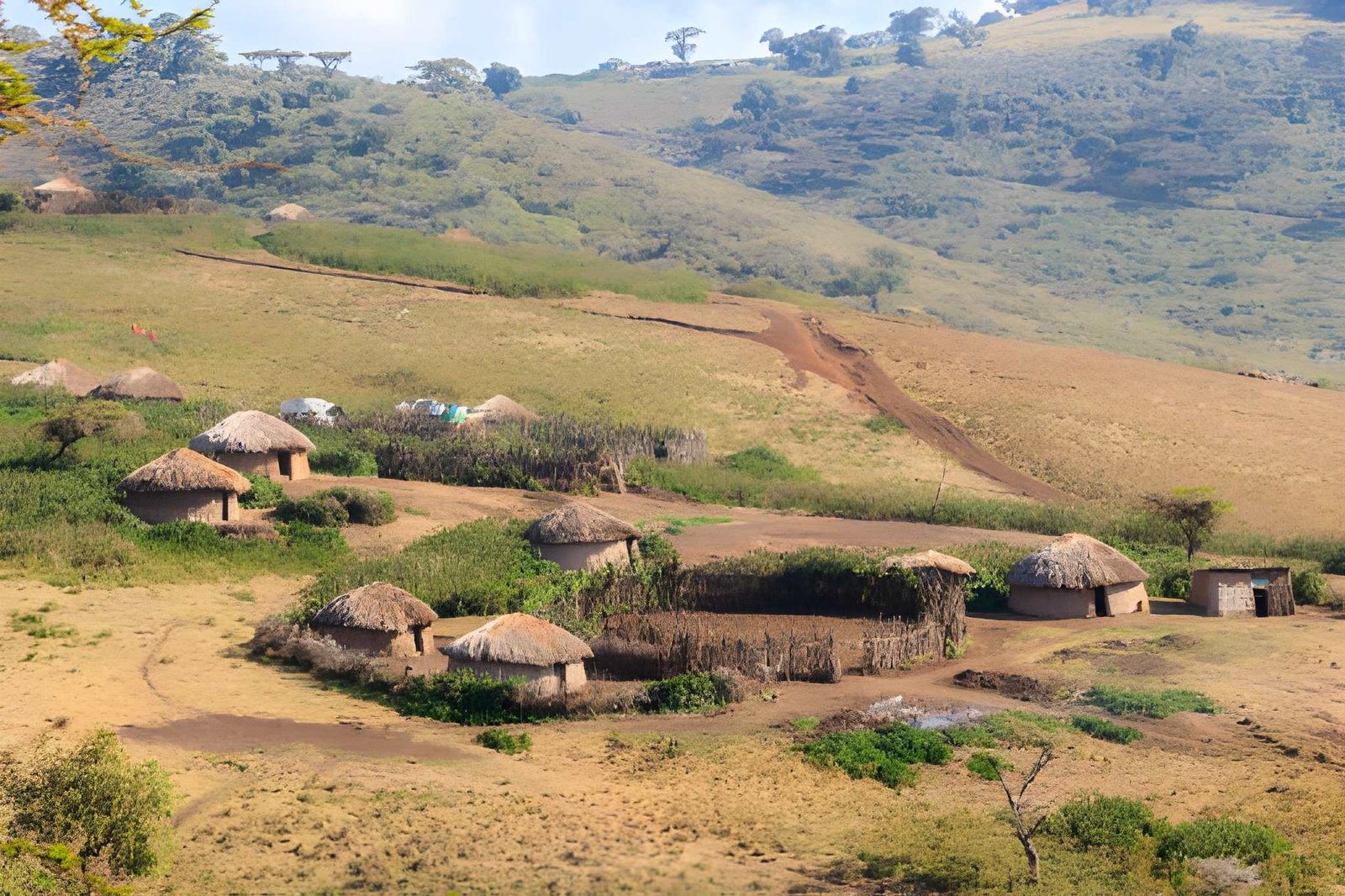
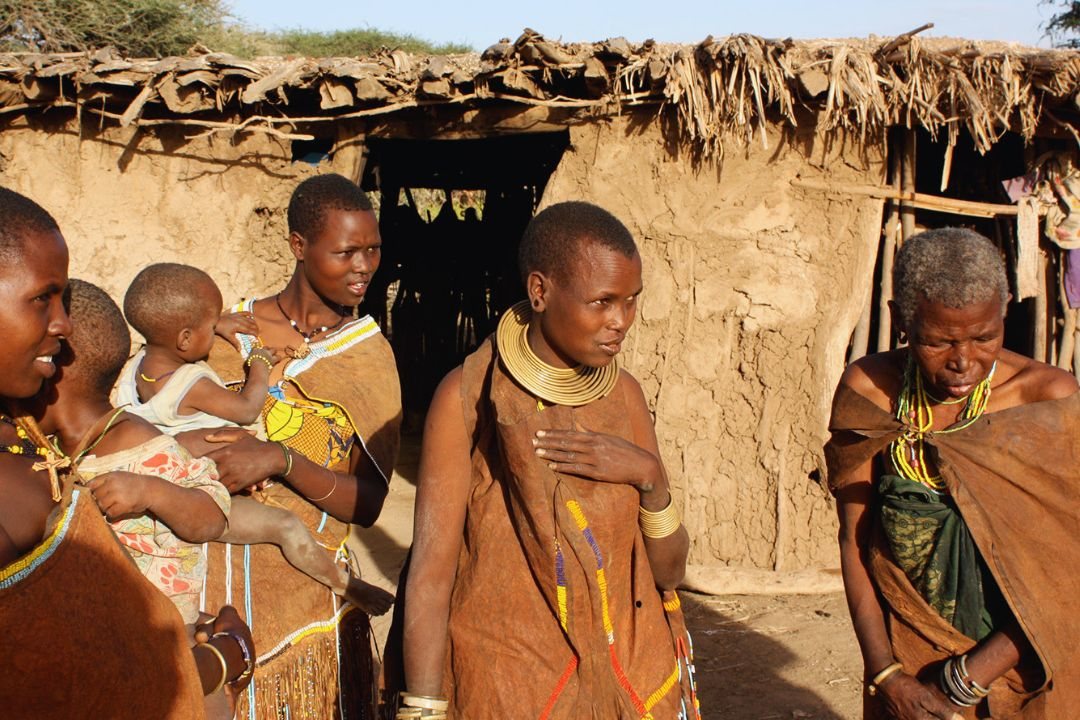
The conservation area is home to Maasai communities who have grazed these highlands for generations.
Most large animals live on the crater floor all year, held by permanent water and rich grazing. There is no giraffe or impala in the crater itself — the steep walls keep them out — but almost everything else is here.
The crater supports one of Africa’s densest lion populations, and spotted hyena are everywhere. Golden and black-backed jackals, servals and the occasional cheetah are also seen; leopards keep to the forests.
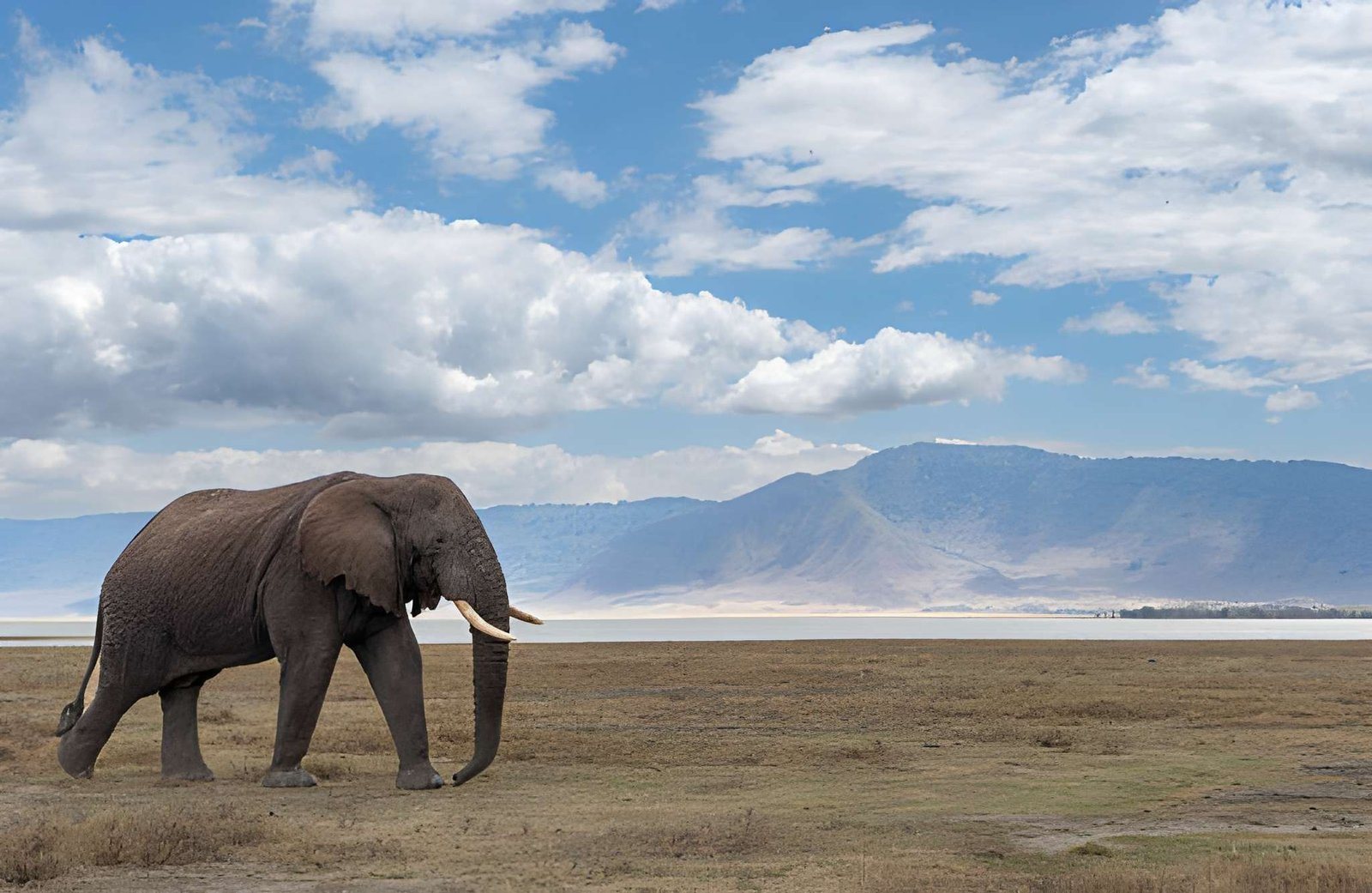
A small, carefully protected population of black rhino lives on the open floor. Elephants in the crater are mostly old bulls with impressive tusks, often found near the Lerai Forest.
Large herds of wildebeest and zebra, buffalo, eland, Grant’s and Thomson’s gazelle and hartebeest graze the grasslands; hippos wallow in the Ngoitokitok spring and Mandusi swamp.
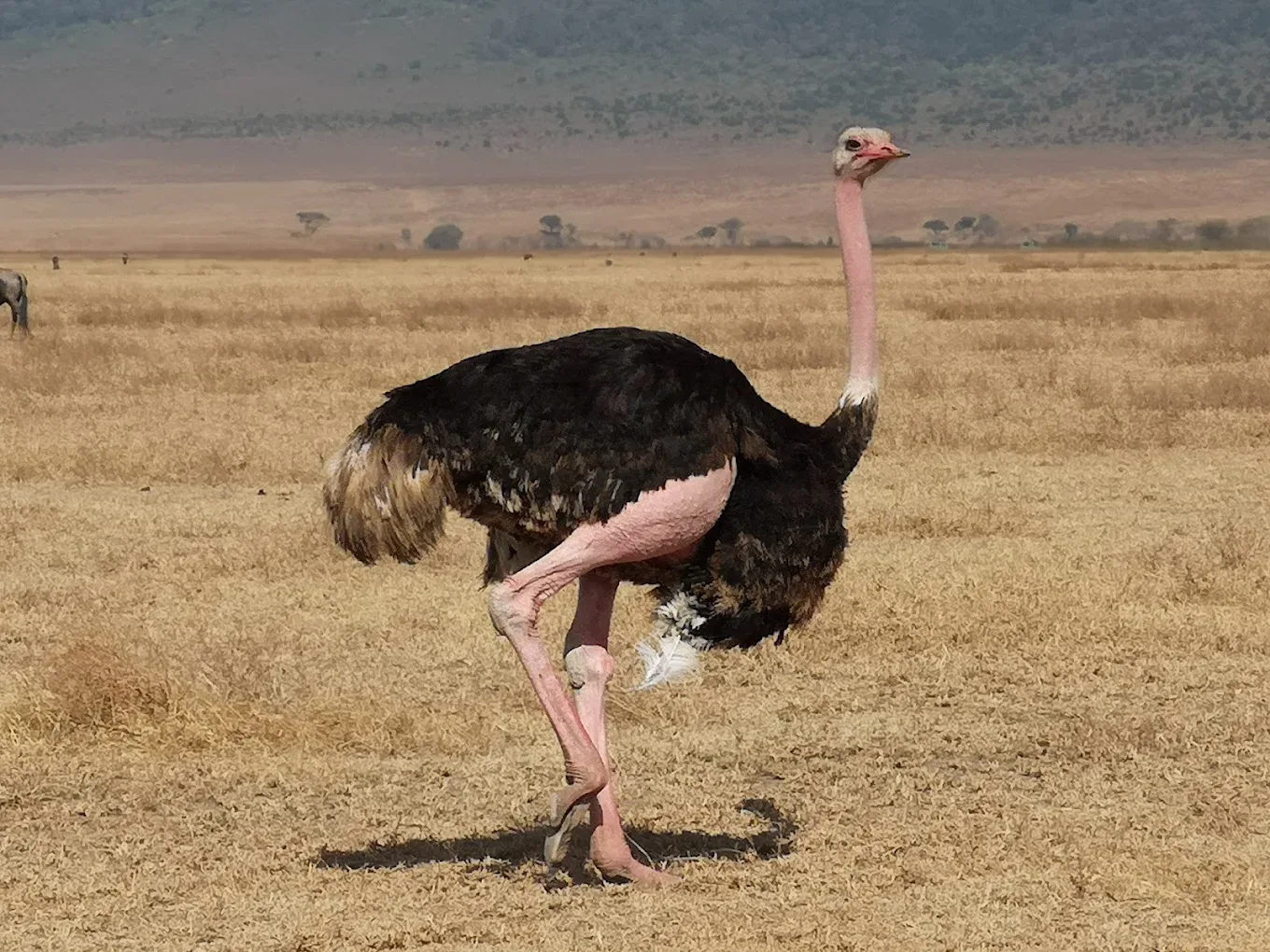
Flamingos gather on Lake Magadi when water levels allow. Look for kori bustard, grey crowned crane, ostrich, Verreaux’s eagle-owl and sunbirds in the highland forest.
The road from Karatu climbs through coffee and wheat fields into dense montane forest, often wrapped in cloud, before reaching the crater rim at around 2,200–2,300 metres. From the viewpoint the whole caldera opens below you — a perfect bowl of gold and green with Lake Magadi shining at its centre.
On the floor, short-grass plains give way to the yellow-barked fever trees of the Lerai Forest, reed-fringed swamps and freshwater springs. Beyond the crater, the highlands roll on to the Olmoti and Empakaai craters, the active volcano Ol Doinyo Lengai on the horizon, and the vast short-grass plains that lead to Ndutu and the Serengeti.
Spend a morning or a full day exploring the crater floor with a picnic by the hippo pool. Descent times are regulated, so starting early pays off.
Guided walks with an armed ranger along sections of the rim offer sweeping views and a chance to see forest birds and buffalo.
A steep but beautiful walk down to Empakaai’s soda lake, often fringed with flamingos — one of the quietest corners of northern Tanzania.
Visit the gorge and museum on the way to the Serengeti to see where key fossils of early humans were found.
Spend time in a Maasai boma to learn about daily life, traditions and the relationship between people and wildlife.
Many highland lodges near Karatu offer coffee tours, walks through the farms and visits to local villages.
The crater is excellent all year because most of its wildlife does not migrate. The dry season brings clearer roads and easier viewing; the green season brings newborn animals, fewer vehicles and lush highland scenery. Nights on the rim are cold in every month.
Warm days on the floor, cool nights on the rim. Calving season on the nearby Ndutu plains makes this an excellent combination.
Wildlife is concentrated and the migration herds are close by on the southern plains. Lovely green highlands.
Afternoon storms build through the month. Landscapes are at their most dramatic and there are very few other vehicles.
The wettest month. Some roads become muddy and a few camps close, but rates are at their lowest and the scenery is lush.
Showers ease towards the end of the month and the bush is deep green. A peaceful time to travel with flexible plans.
The dry season begins. Mornings on the rim can be close to freezing — bring warm layers.
Excellent viewing and dry roads. Popular, so we plan an early descent to enjoy the crater before it gets busy.
Cool, dry and reliable. Combine with the Serengeti and Tarangire for a classic northern circuit.
Very dry landscapes and superb wildlife concentrations. Warm days, beautiful light for photography.
Hot, dusty and rewarding. Water sources are few, so predators and prey meet often. Fewer visitors than August.
Brief showers refresh the land and bring migrant birds. The bush turns green quickly and rates soften.
Green landscapes, newborn animals and warm days with passing storms. Festive dates book up early.
The crater is about 180–190 km from Arusha, roughly 3–4 hours by road on a good tarmac road through Mto wa Mbu and Karatu to the Lodoare Gate, followed by a climb through the forest to the rim. It sits naturally between Tarangire or Lake Manyara and the Serengeti, so it fits easily into most northern safaris.
Your private safari vehicle descends to the crater floor by a one-way road and returns by another. There is an airstrip at Lake Manyara and another near Ndutu for those who prefer to fly part of the way.
Stay on the crater rim for an early descent and unforgettable views, or in the green highlands around Karatu for coffee farms, gardens and better value.
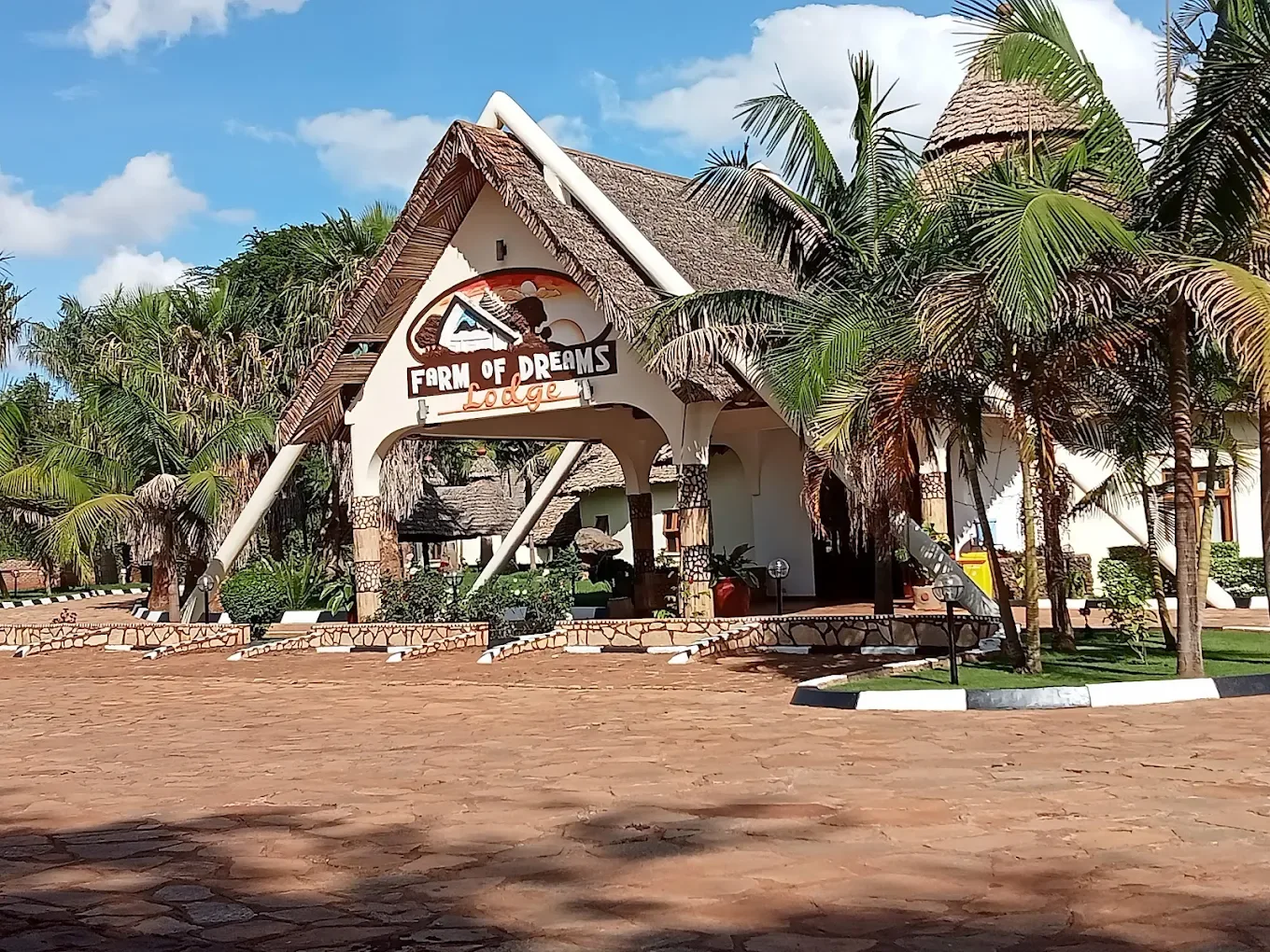 Mid-Range
A family-friendly lodge of thatched suites in Karatu’s green farmland, about 30 minutes from the Ngorongoro gate — outdoor pool, spa and themed dinner nights.
View the lodge →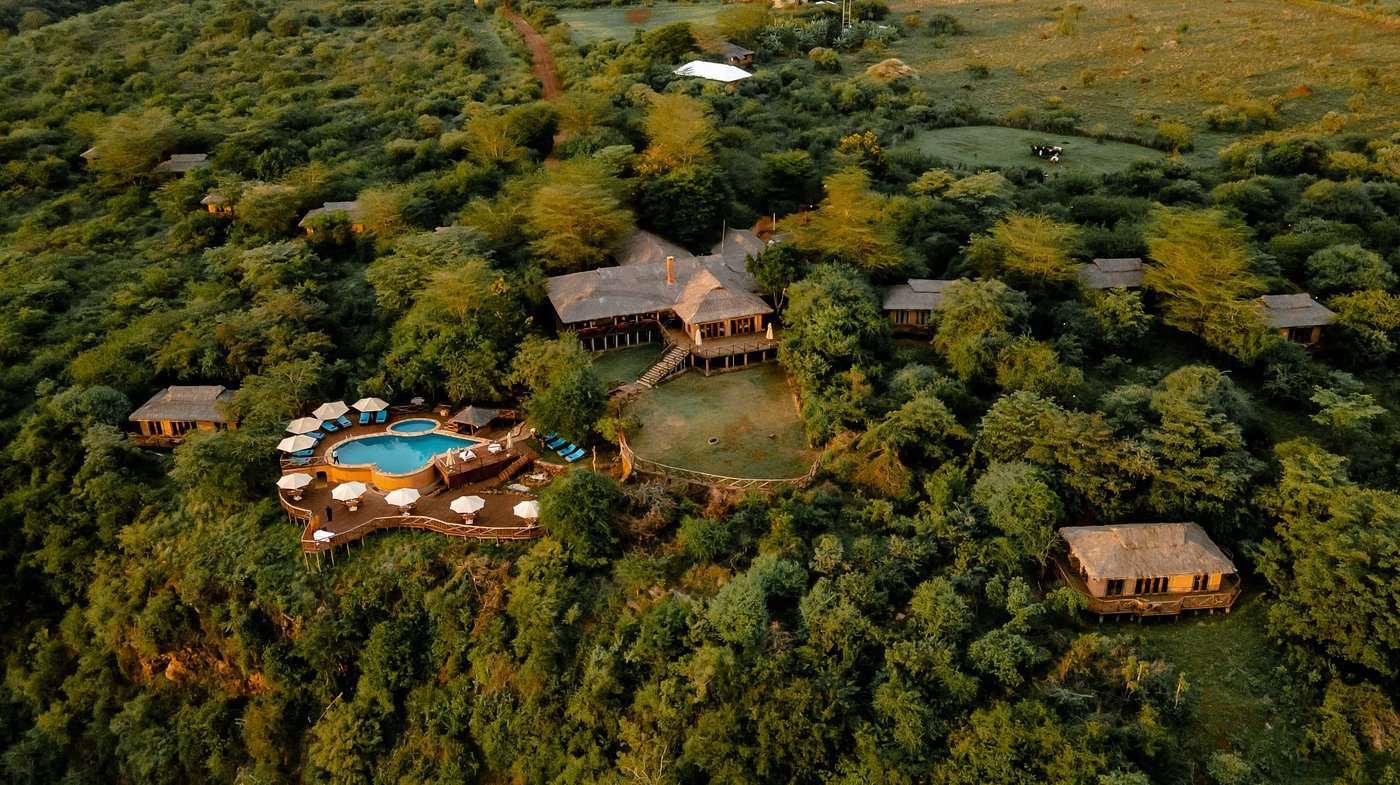 Luxury
Sixteen rooms beside a gorge on the Rift Valley escarpment, 15 minutes from Lake Manyara gate — pools, spa, campfire evenings and easy days to Tarangire and the crater.
View the lodge →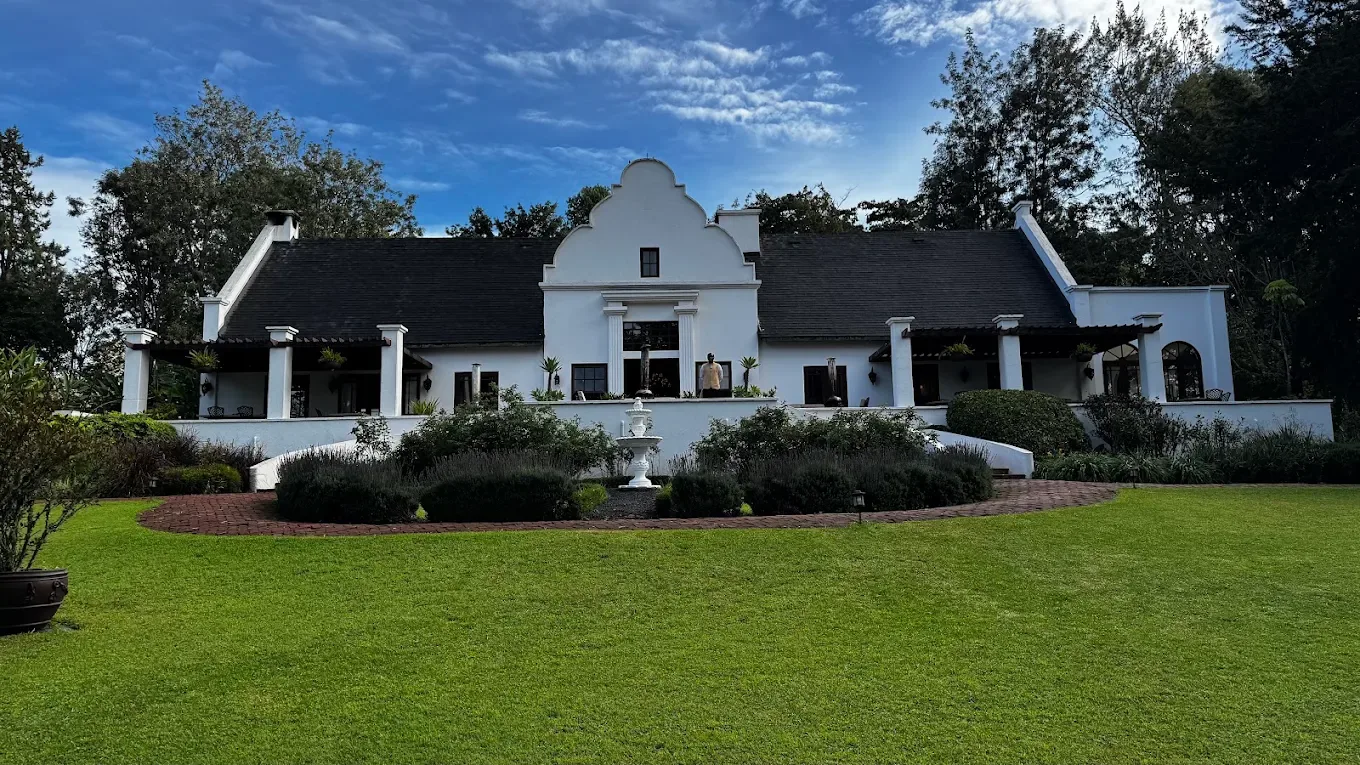 Ultra Luxury
A grand country house on a working coffee estate beside the Ngorongoro Conservation Area — 18 suites with fireplaces, horse riding, spa, cinema and wine cellar.
View the lodge →The crater is part of almost every northern Tanzania safari. These itineraries combine it with Tarangire, Lake Manyara and the Serengeti.
Wildlife safari
Tarangire · Ngorongoro
Two remarkable wildlife destinations in one short private safari: Tarangire’s elephants and baobabs, then a full morning in the Ngorongoro …
Wildlife safari
Tarangire · Ngorongoro · Lake Manyara
Tarangire, the Ngorongoro Crater and Lake Manyara in three days — elephants and baobabs, a full crater morning and Rift Valley forests.
Wildlife safari
Tarangire · Serengeti · Ngorongoro
From ancient baobab landscapes to the endless Serengeti plains and the spectacular Ngorongoro Crater — a private four-day safari.
 01
All year · Big Five & black rhino
The main caldera: grasslands, the Lerai fever-tree forest, Lake Magadi and the Ngoitokitok spring. Most visitors spend a morning or full day on the floor.
 02
Dry season · walking & views
Two smaller craters to the north-east. Olmoti has a waterfall walk; Empakaai holds a deep soda lake and some of the finest views in the highlands.
 03
All year · on the way to Serengeti
A short detour from the Serengeti road leads to the gorge, its museum and the black crescent dune of the Shifting Sands.
 04
December – March · calving
Shared with the southern Serengeti, the Ndutu area hosts the migration’s calving season and excellent big-cat viewing.
Entry to the conservation area and the crater service fee per vehicle are set by the Ngorongoro Conservation Area Authority. They are included in our quotes.
One night on the rim or in Karatu allows a relaxed crater day. Add a second night for Empakaai, Olduvai or highland walks.
The rim is high and nights are cold all year. Pack a warm jacket, hat and layers for early descents.
Time on the crater floor is regulated, vehicles stay on the tracks and you may only leave the vehicle at designated picnic sites.
Kites are bold at the picnic sites — eat inside the vehicle or keep food hidden.
Always ask before photographing Maasai people, and buy crafts directly from community projects where possible.
Fees, rules and opening times can change. For the latest official information, visit Ngorongoro Conservation Area Authority ↗
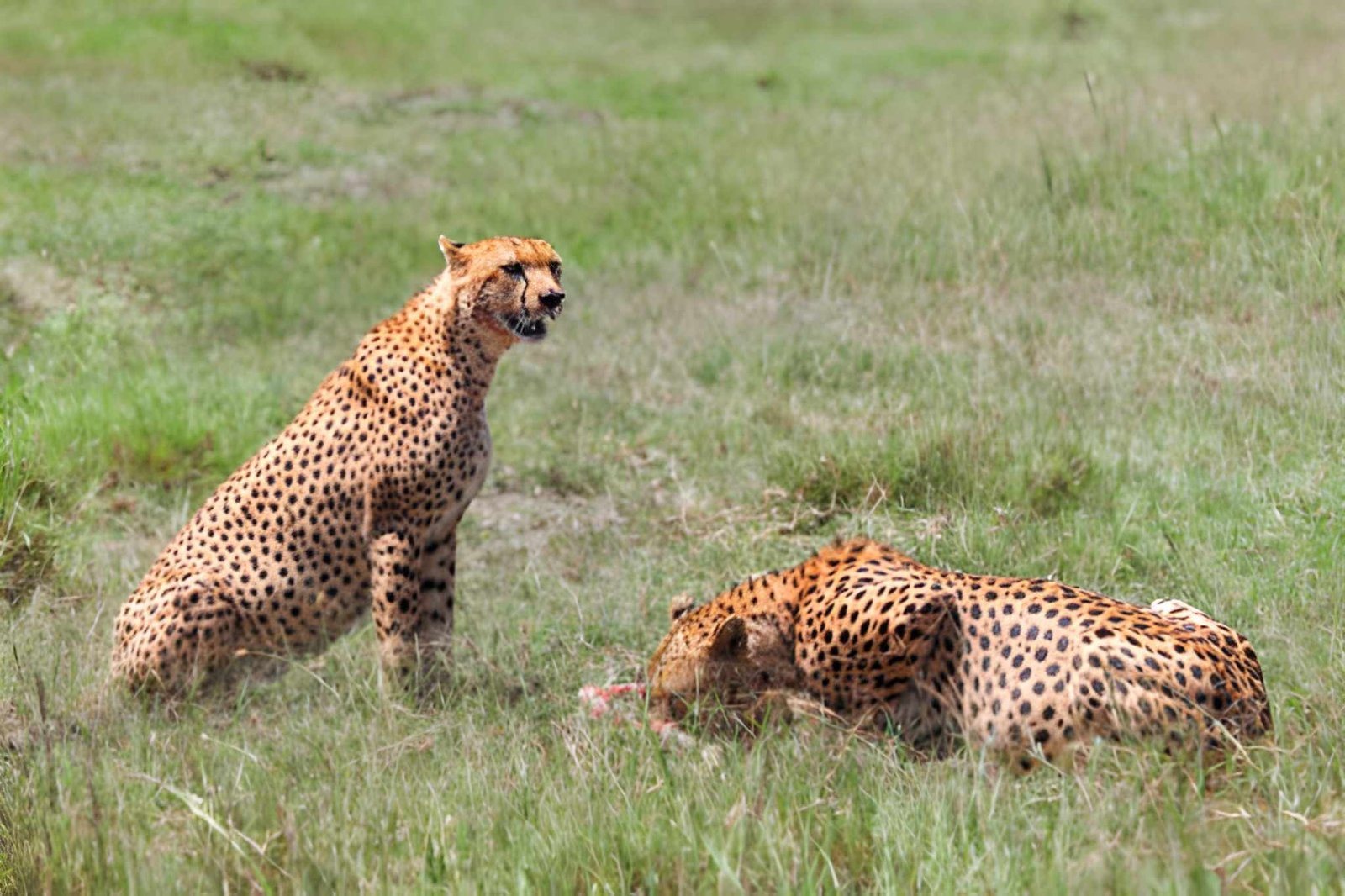
Great Migration, big cats, balloon safaris
Endless golden plains, the Great Migration and some of Africa’s finest big-cat viewing — Tanzania’s most celebrated wilderness, planned around you by…
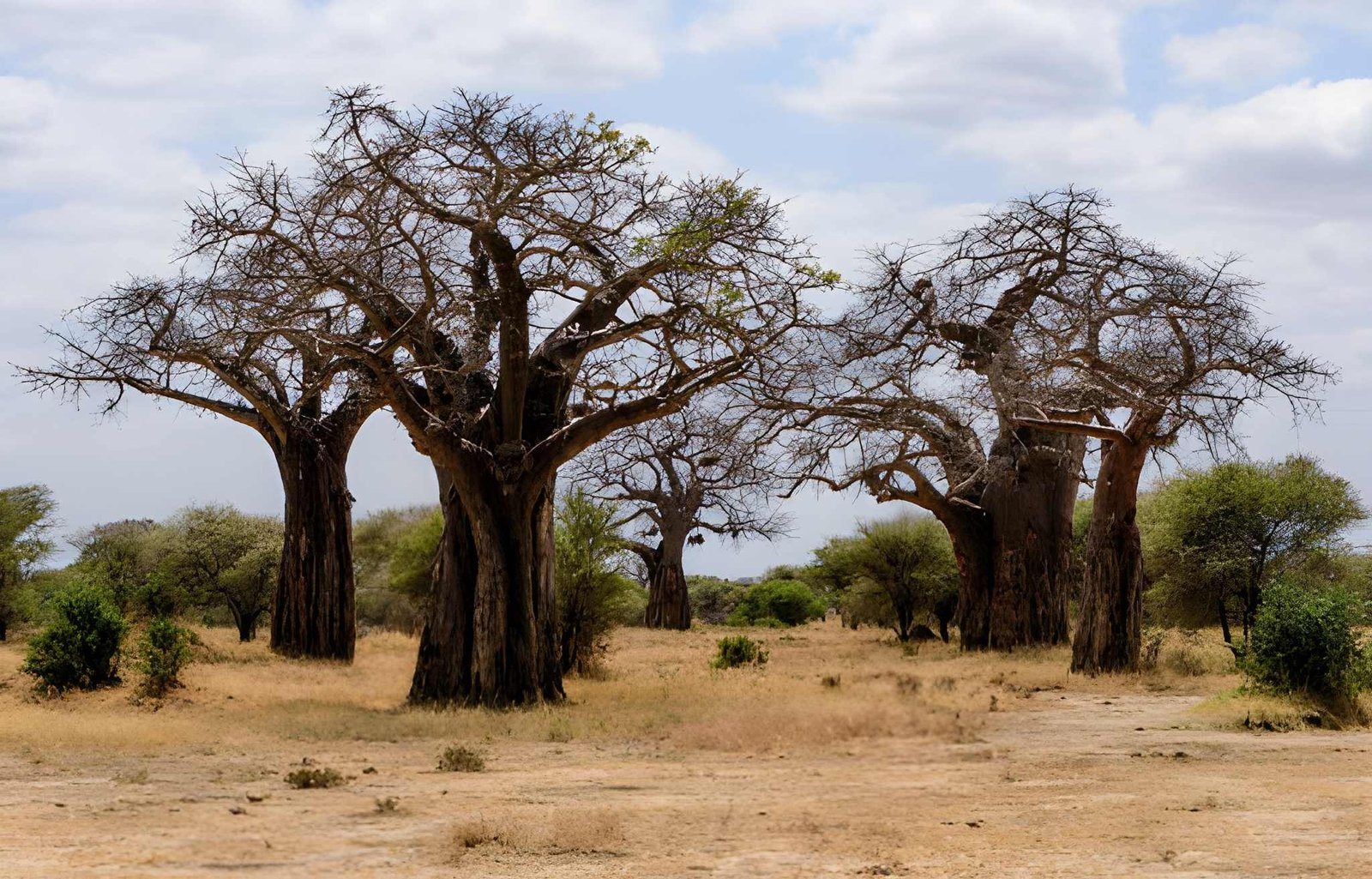
Elephant herds, baobabs, birding
Ancient baobabs, a lifeline river and some of the largest elephant herds in East Africa — Tarangire is northern Tanzania’s most underrated park, just…
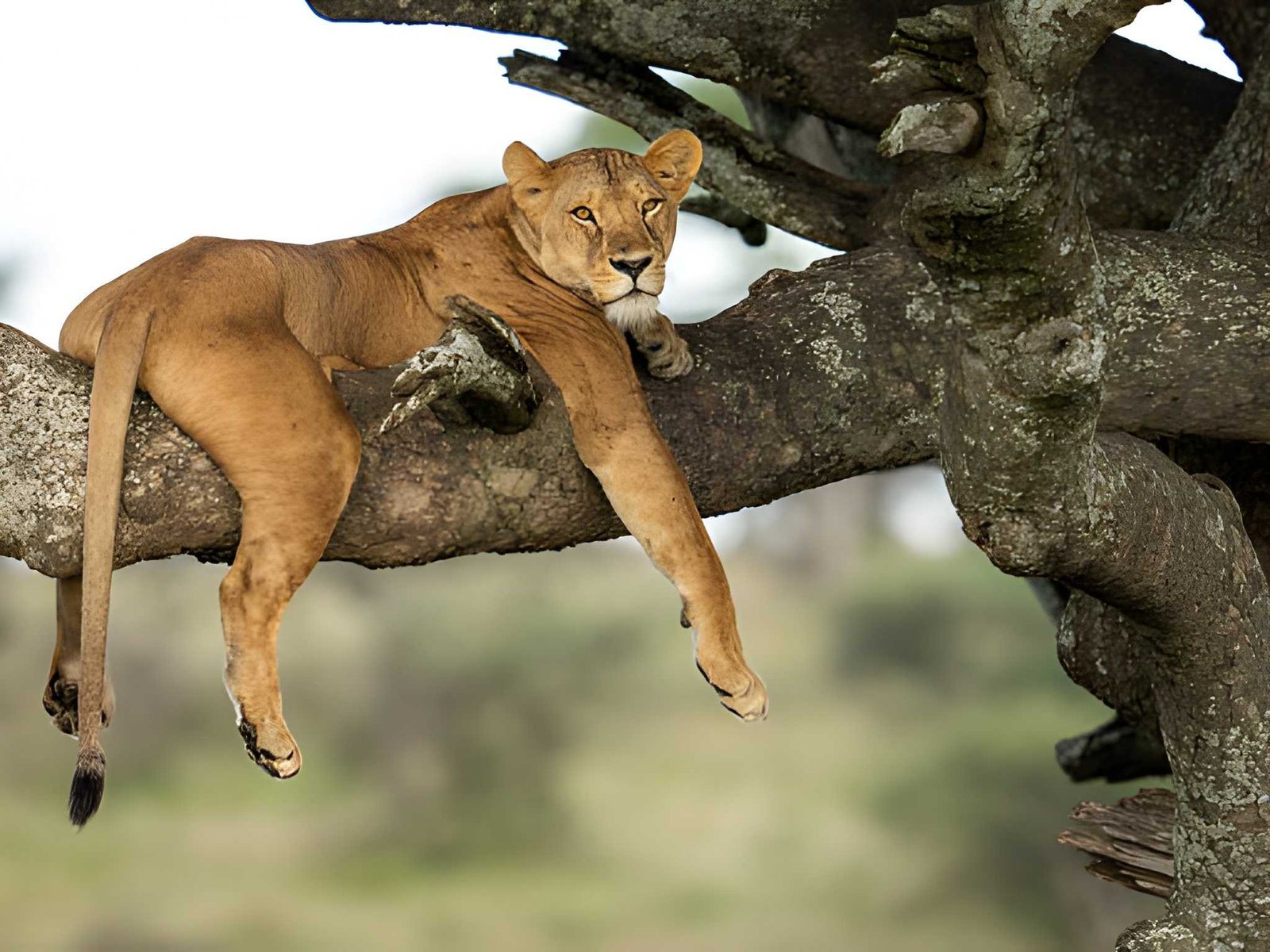
Forest, birdlife, Rift Valley views
A green jewel at the foot of the Great Rift Valley — groundwater forest, a shimmering soda lake, baboon troops, elephants and hundreds of bird specie…
Can’t find your answer? Our team in Moshi is happy to help.
Ask on WhatsAppYes. Few places offer so much wildlife in such a spectacular setting, and it is one of the best places in East Africa to see black rhino. It is a highlight of most northern safaris.
A half or full day on the crater floor is enough for most travellers, with one night on the rim or in Karatu. Add a night if you would like to hike Empakaai or visit Olduvai Gorge.
Lion, elephant, buffalo and black rhino are seen regularly. Leopard is the hardest to find because it keeps to the forest.
Any time of year. June to October is dry and clear; November to May is greener and quieter, with newborn animals and the migration nearby at Ndutu from December to March.
Yes, the rim is at over 2,200 metres. Mornings and evenings can be very cold, especially from June to August, while the crater floor is warmer during the day.
No. It is a separate protected area managed by its own authority, but it borders the Serengeti and the two are usually visited together.
From an early descent into the crater to a night by the fire on the rim, we will build your Ngorongoro days into a seamless northern Tanzania safari.