+255 762 032 480 [email protected] Every day · 08:00 – 18:00 EAT
EN
Migration sere (3)
Safari style · Great Migration

Great Migration Safaris – Following the Herds Through the Serengeti

Over a million wildebeest, hundreds of thousands of zebra and the predators that follow them — timed to the right place and month by our team.

Wildebeest
1m+
On the move
12 months
Calving
Jan – Mar
River crossings
Jul – Oct
Safari style · Great Migration

The greatest show on earth

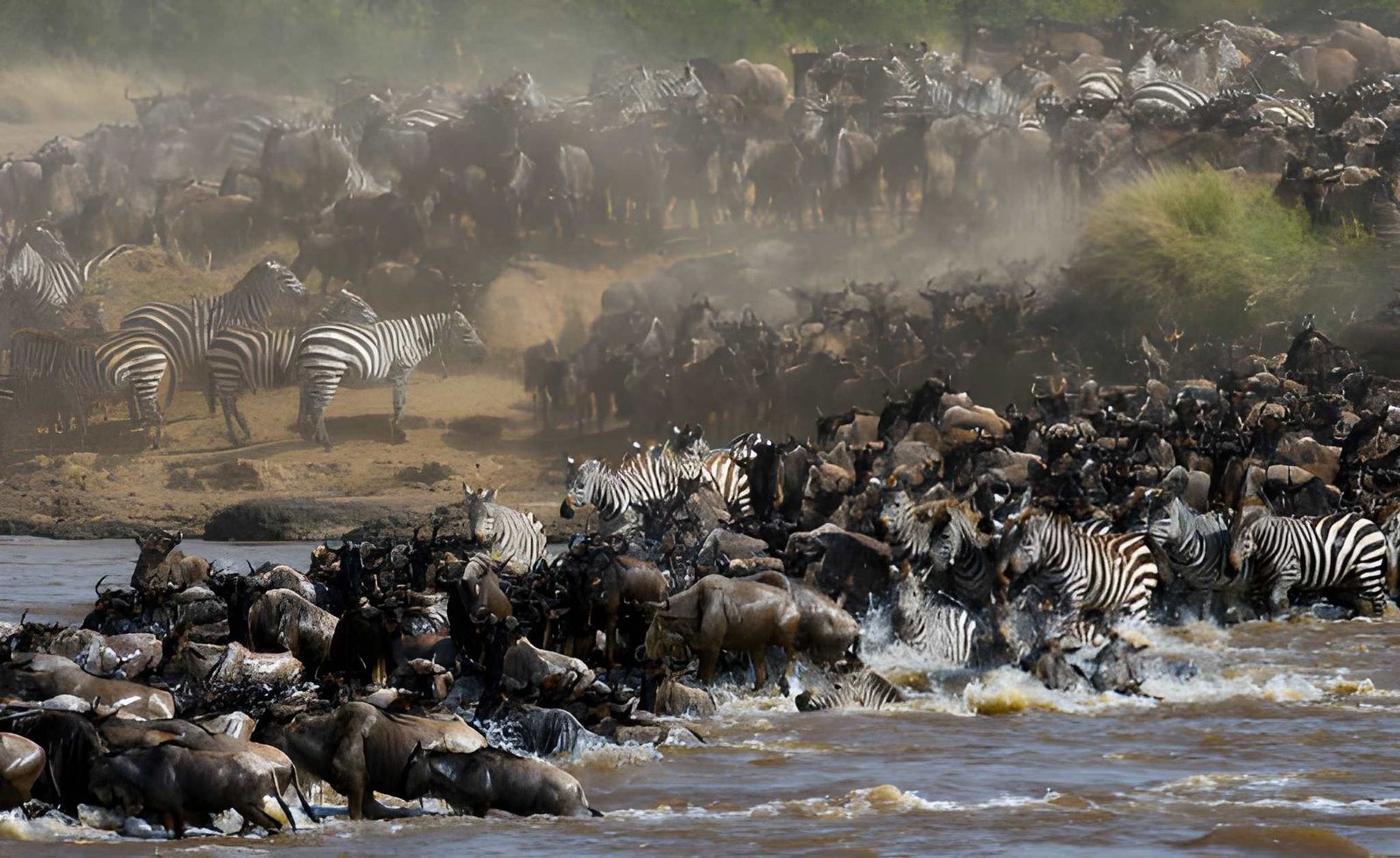
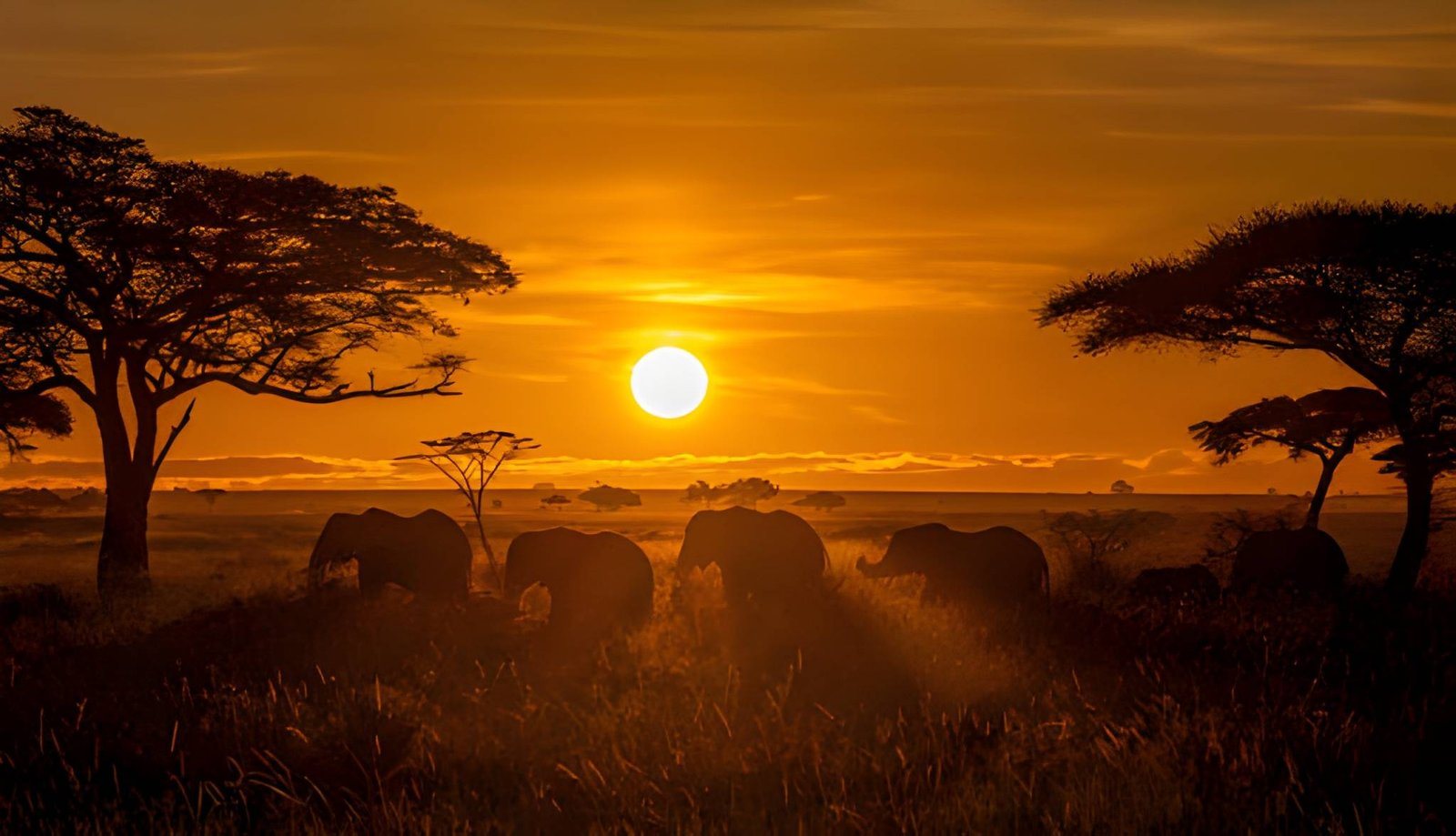
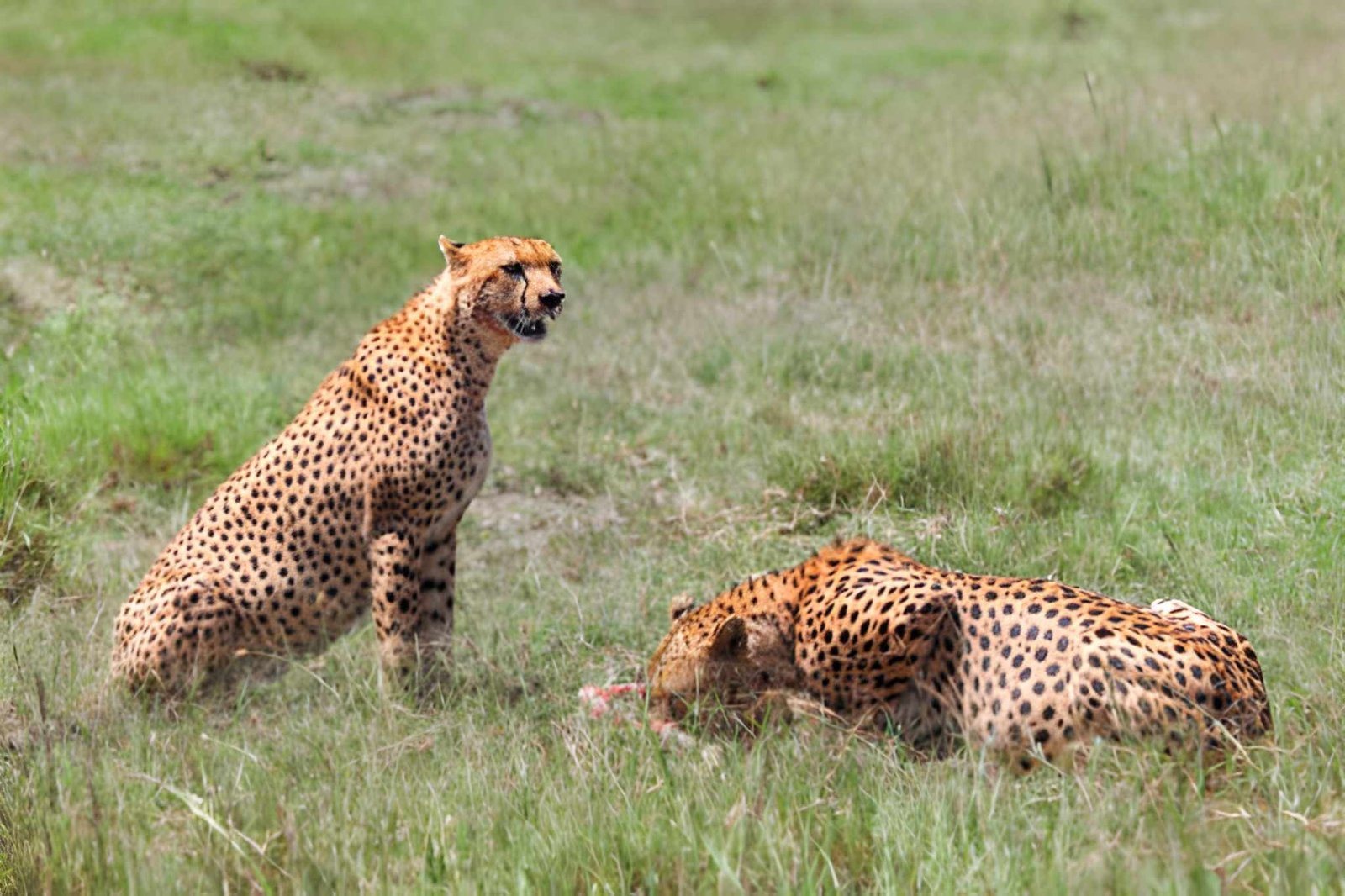
Every year, more than a million wildebeest, together with hundreds of thousands of zebra and gazelle, move in a vast loop through the Serengeti–Mara ecosystem, following the rains and the fresh grass they bring. Lions, cheetahs, hyenas and crocodiles follow close behind. The Great Migration is not a single event but a year-round cycle, and seeing it at its best is a question of being in the right part of the Serengeti at the right time.

From around January to March, the herds gather on the short-grass plains of the southern Serengeti and the Ndutu area for the calving season, when hundreds of thousands of calves are born within a few weeks — and predator action is intense. As the plains dry out, the herds move north and west through the central Serengeti and the western corridor, where they cross the Grumeti River. From around July to October, they reach the far north, where the famous Mara River crossings take place, before returning south with the short rains.

The pattern depends on the rains, so it shifts a little every year. Our guides follow the herds closely and keep in touch with each other, and we choose your camps based on where the migration is likely to be during your dates. A migration safari is usually best combined with Tarangire and the Ngorongoro Crater, and most guests spend at least three nights in the Serengeti.

Why with us

The migration, done well

  1. 01

    Timed to the herds

    We plan your camps around where the migration should be during your dates, and adjust as the season unfolds.

  2. 02

    Flexible game drives

    With a private vehicle you can wait at a river crossing for as long as it takes — sometimes hours.

  3. 03

    The right camps

    Seasonal and permanent camps close to the action, from Mara Kati Kati to Singita Mara River.

  4. 04

    Fly or drive

    Light-aircraft flights to the Serengeti airstrips save long drives, especially to the far north.

Sample itineraries

Migration itineraries

These safaris include the Serengeti and can be timed and tailored to the migration. Tell us your dates and we will suggest the best route.

Wildlife safari

5-Day Northern Tanzania Safari

Tarangire · Serengeti · Ngorongoro · Lake Manyara

Tarangire’s baobabs, the Serengeti plains, the Ngorongoro Crater and Lake Manyara — four great parks in a private five-day safari.

Begins
Arusha
Comfort
All tiers
Travel
Private
from $1,450 ppView journey

Wildlife safari

6-Day Northern Tanzania Safari

Tarangire · Serengeti · Ngorongoro · Lake Manyara

Six days from Tarangire’s baobabs to two nights on the Serengeti plains, the Ngorongoro Crater and Lake Manyara — a private northern circui…

Begins
Arusha
Comfort
All tiers
Travel
Private
from $1,750 ppView journey

Wildlife safari

7-Day Northern Tanzania Safari

Tarangire · Serengeti · Ngorongoro · Lake Manyara · Arusha

Seven days from Tarangire’s elephants and baobabs to two nights on the Serengeti plains, the Ngorongoro Crater and Lake Manyara — at a rela…

Begins
Arusha
Comfort
All tiers
Travel
Private
from $2,100 ppView journey
Migration guide

Where the herds are, season by season

01

January to March: calving season

The herds gather on the short-grass plains of the southern Serengeti and around Ndutu, in the Ngorongoro Conservation Area. Hundreds of thousands of calves are born in a few weeks, usually peaking around February. Predators are drawn by the abundance, making this one of the best times to see lions and cheetahs hunting. Seasonal camps in the Ndutu area are the best base.

02

April to May: on the move

As the long rains arrive and the southern plains dry, the herds begin moving north-west through the central Serengeti. This is the green season: the landscape is lush, visitor numbers are low and some camps close. The herds can be spread out and on the move, so central camps such as One Nature Nyaruswiga or Serengeti Explorer work well.

03

June to July: the western corridor

Many herds pass through the western corridor, where they must cross the Grumeti River and its crocodiles. Others move through the central Serengeti towards the north. This is also the start of the dry season, with excellent game viewing across the park.

04

July to October: the Mara River crossings

The herds reach the far north of the Serengeti and cross the Mara River, often repeatedly, as they move between Tanzania and Kenya’s Maasai Mara. The crossings are dramatic and unpredictable — patience is essential. Camps around Kogatende and the Lamai triangle, such as Ole Serai, are ideally placed.

05

November to December: the return south

With the short rains, the herds move south again through the eastern and central Serengeti towards the southern plains, ready for the next calving season. It is a quieter time to visit, with good game viewing and fewer vehicles.

Month by month

The migration calendar

An approximate guide — the herds follow the rains, so timings vary from year to year.

MonthsWhere the herds usually areWhat you may seeWhere to stay
Jan – Mar Southern Serengeti & Ndutu Calving, predators hunting Seasonal camps in the south
Apr – May Moving through the central Serengeti Lush landscapes, big herds on the move Central Serengeti camps
Jun – Jul Western corridor & central areas Grumeti River crossings Western or central camps
Jul – Oct Northern Serengeti Mara River crossings Northern Serengeti camps
Nov – Dec Eastern & central, heading south Herds returning, quieter parks Central or southern camps
Guest reviews

In our guests’ words

When to go

When is the best time?

There is no single best month — it depends on what you want to see. For river crossings, travel between July and October and stay in the north. For calving and predator action, travel from January to March and stay in the south. For lush scenery and fewer visitors, consider the green season.

Because the migration depends on the rains, we always check the latest movements before confirming your camps.

Serengeti National Park · seasons by month
  1. Jan
  2. Feb
  3. Mar
  4. Apr
  5. May
  6. Jun
  7. Jul
  8. Aug
  9. Sep
  10. Oct
  11. Nov
  12. Dec
  • Dry season
  • Green season
  • Short rains
  • Long rains
Month-by-month guide to Serengeti National Park →
Questions

Great Migration FAQs

Still have a question? Our team in Moshi answers within 24 hours.

Ask on WhatsApp
When is the best time to see the Great Migration?

It depends on what you want to see: calving from around January to March in the south, and the Mara River crossings from around July to October in the north.

Is a river crossing guaranteed?

No. Crossings depend on the herds and can happen at any moment — or not at all on a given day. Spending several days in the north gives you the best chance.

How many days do I need?

At least three nights in the Serengeti, ideally in the right area for the season, plus time in Tarangire and the Ngorongoro Crater.

Should I fly or drive to the northern Serengeti?

Flying saves a long drive, especially to the far north. Driving lets you game-view along the way. We often combine both.

Can I see the migration in Kenya too?

The herds cross into Kenya’s Maasai Mara from around July to October. Our safaris focus on the Tanzanian Serengeti, where the crossings take place along the Mara River.

Start planning

Plan your migration safari

Tell us your dates and we will suggest the best area, camps and route to see the Great Migration.

WhatsApp us

We reply within 24 hours. Your details are only used to plan your trip.