


Elephants
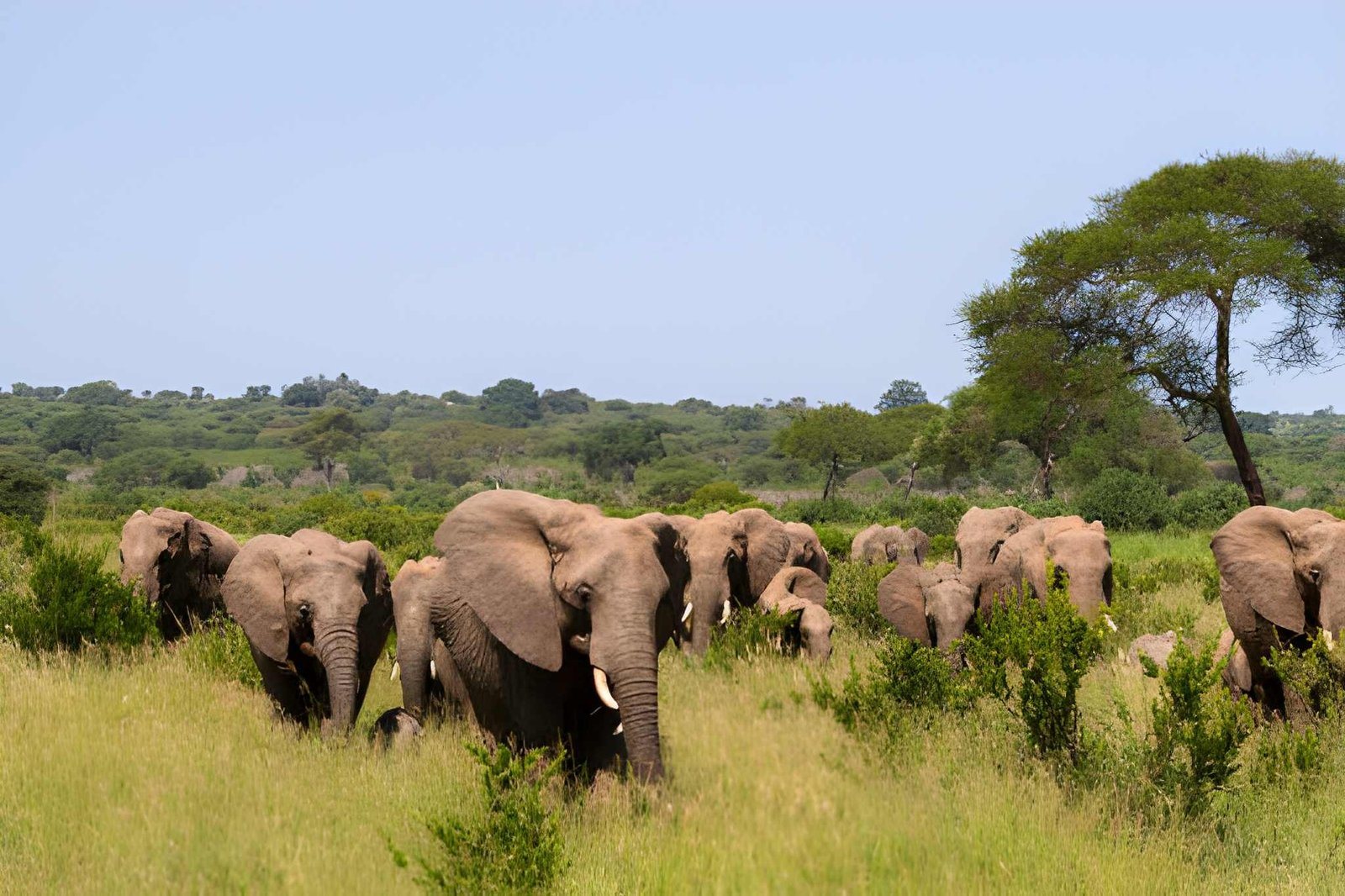
Tarangire supports one of the largest elephant populations in northern Tanzania. Dry-season herds along the river and around Silale Swamp are unforgettable.
Ancient baobabs, a lifeline river and some of the largest elephant herds in East Africa — Tarangire is northern Tanzania’s most underrated park, just two hours from Arusha.
Northern Tanzania · about 2–2½ hrs by road from Arusha
Tarangire National Park is a landscape of giants. Huge baobab trees, some many centuries old, stand over golden grass and acacia woodland, and in the dry season the Tarangire River draws one of the greatest concentrations of wildlife in northern Tanzania — above all, elephants, sometimes in herds of several hundred.
Covering around 2,850 km², the park lies south of Lake Manyara and forms part of a wider ecosystem through which animals move seasonally. Between June and October, when other water sources dry up, zebra, wildebeest, buffalo and elephants crowd towards the river, followed closely by lion and leopard.
Just two hours from Arusha, Tarangire is the perfect start to a northern safari, and a wonderful park in its own right. Its southern swamps and quieter corners reward those who stay longer, and it is one of the best birding destinations in the country.
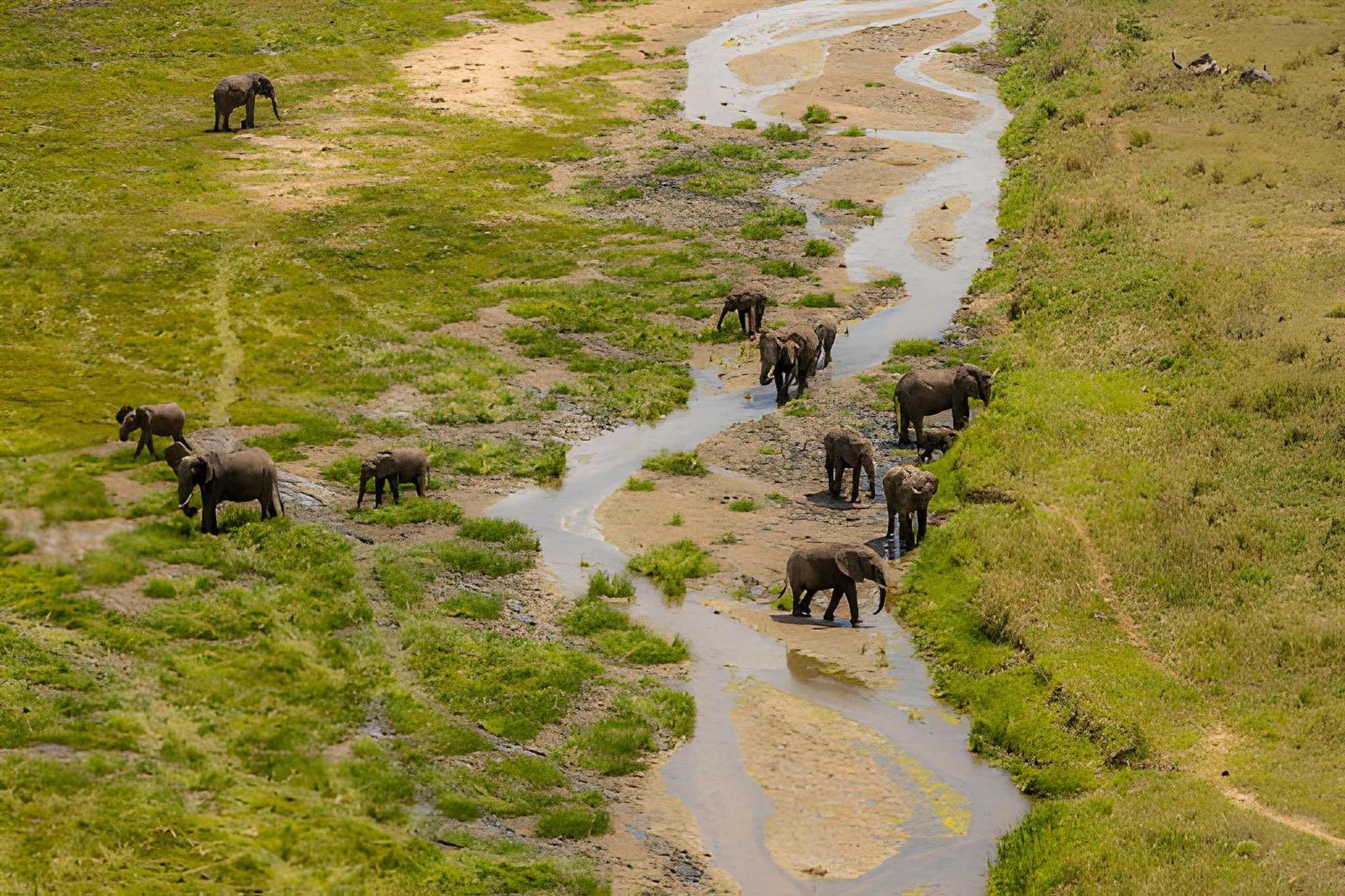
Tarangire is famous for its large elephant population, with family herds gathering along the river in the dry season.
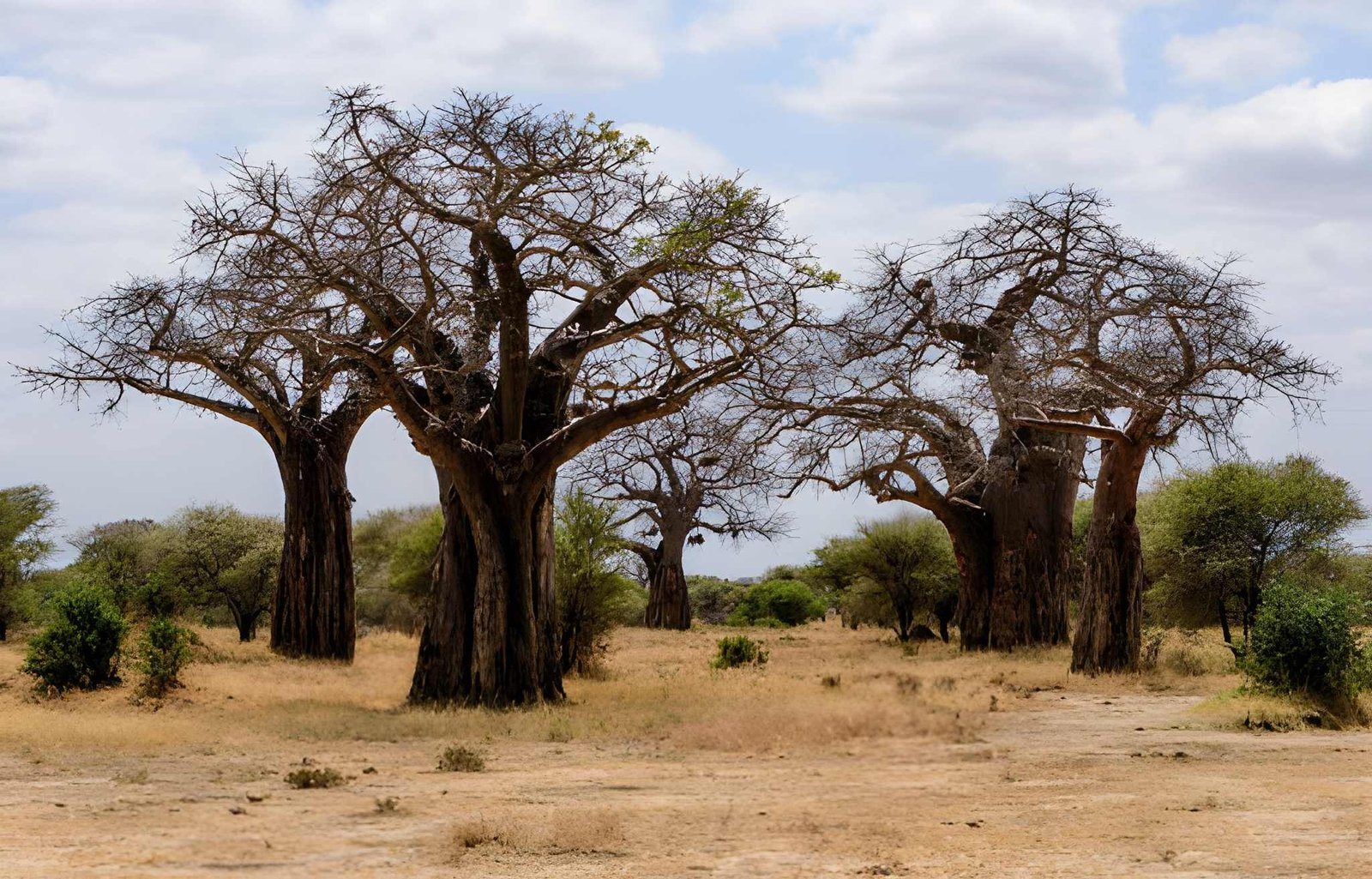
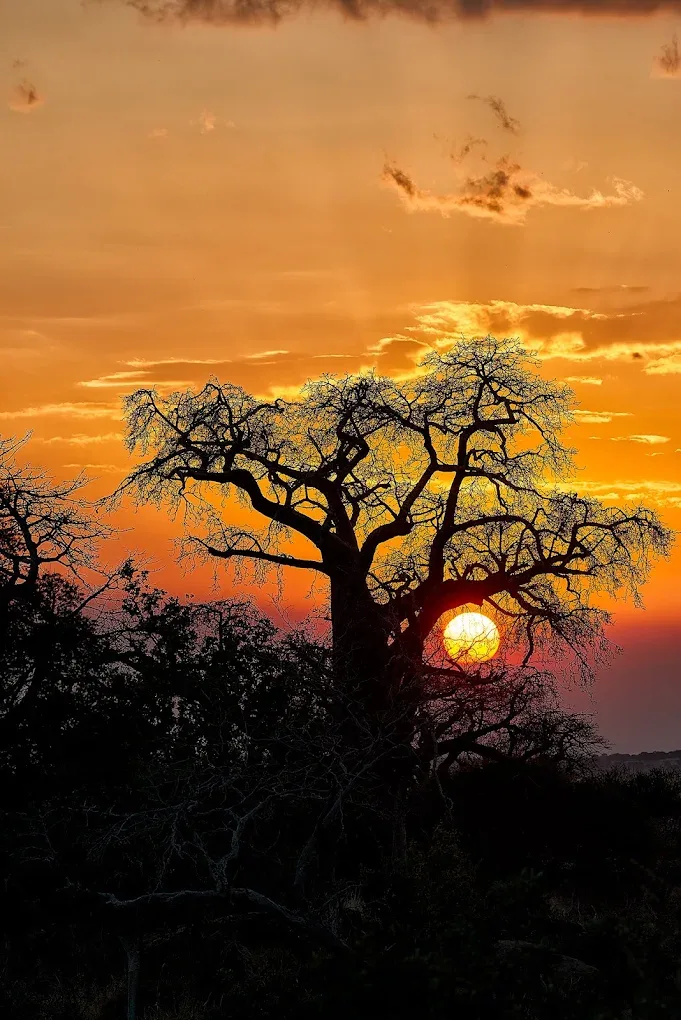
Iconic baobab trees give Tarangire a character unlike any other park — especially beautiful in the late afternoon light.
From June to October wildlife crowds the Tarangire River, creating some of the best game viewing in Tanzania.
More than 500 species have been recorded, including the endemic yellow-collared lovebird and ashy starling.
Only around two hours by road — ideal for a first safari day, a short trip or a day visit.
The southern swamps and remote areas see few vehicles, giving a real sense of wilderness.
Tarangire’s wildlife changes with the seasons. In the rains many animals disperse beyond the park; in the dry months they return to the river, creating dense, rewarding game viewing.
Tarangire supports one of the largest elephant populations in northern Tanzania. Dry-season herds along the river and around Silale Swamp are unforgettable.
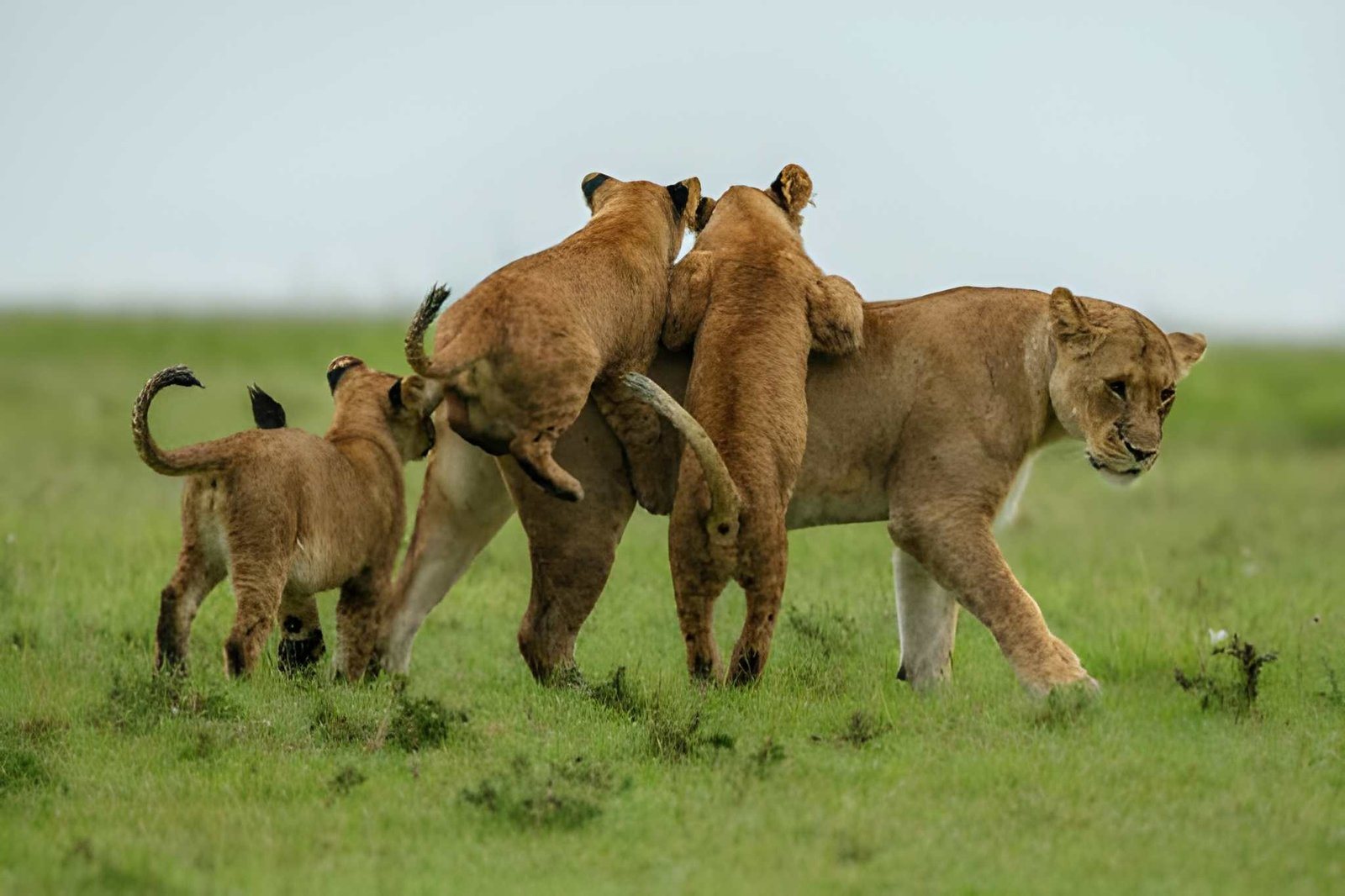
Lion are often seen resting in the shade along the river; leopard live in the riverine woodland and cheetah hunt in the more open areas. Wild dog are seen occasionally.
Look for buffalo, zebra, wildebeest, giraffe, impala and waterbuck, as well as dry-country species such as fringe-eared oryx and lesser kudu in some areas.
Yellow-collared lovebirds, ashy starlings, kori bustards and ground hornbills are highlights, along with large flocks around the swamps in the rains.
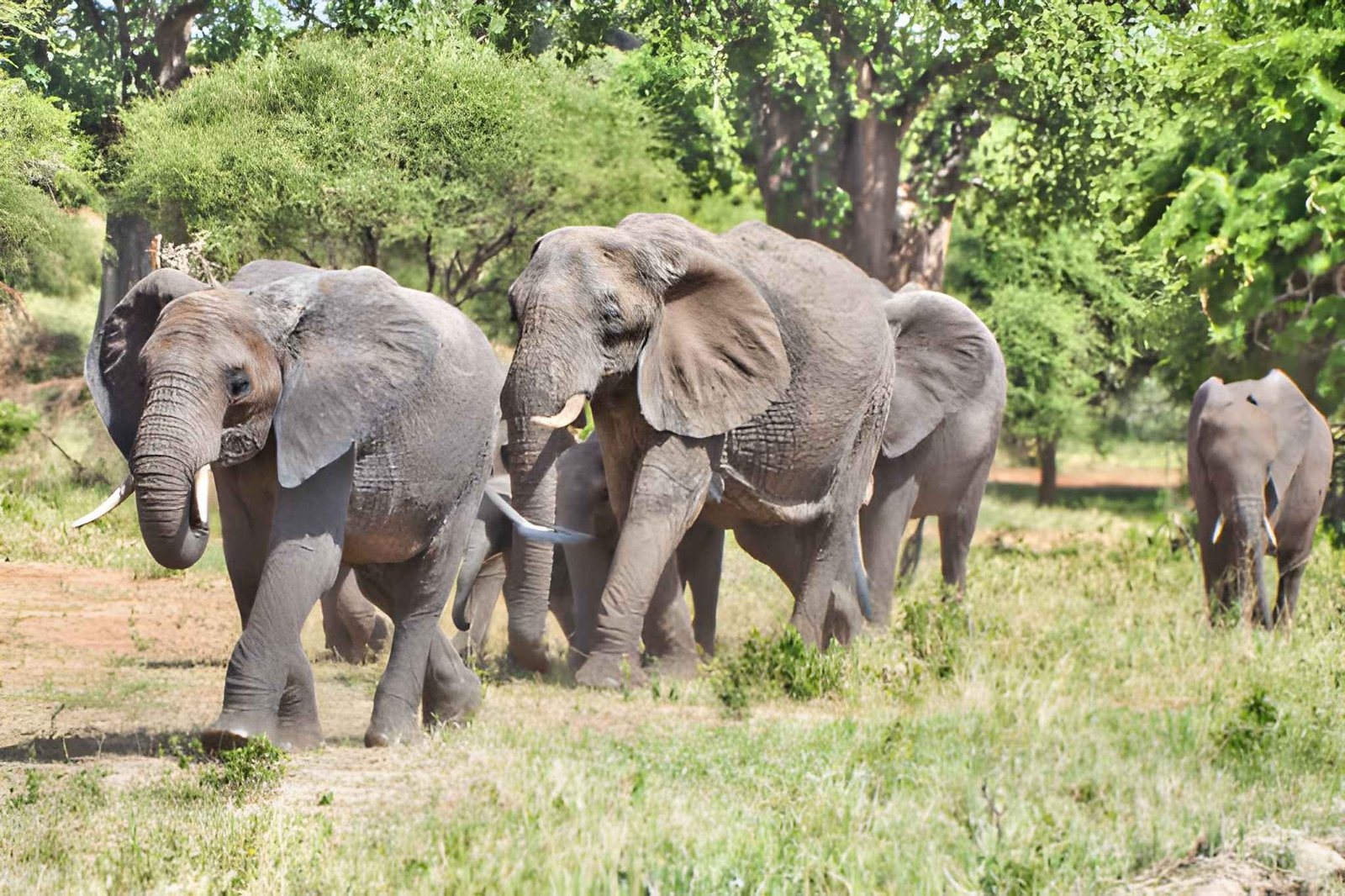
The northern part of the park is dominated by the Tarangire River, which winds through open woodland, grassy plains and stands of baobabs. Termite mounds, some taller than a safari vehicle, rise from the grass, and in the dry season the riverbed becomes a sandy highway for elephants digging for water.
Further south, the land opens into seasonal swamps such as Silale, green and full of birds after the rains, and quiet acacia woodland where you can drive for hours without seeing another vehicle.
Explore the river circuits and baobab country with your private guide, with a picnic lunch overlooking the river.
Some camps in and around the park offer guided walks with an armed ranger — a wonderful way to see the baobabs up close.
Available from some lodges outside the park boundary, for a chance to see bushbabies, genets and other nocturnal animals.
Tarangire is a superb birding park in every season, especially from November to April when migrants arrive.
Short on time? Tarangire works well as a full-day safari from Arusha.
Tarangire is at its very best in the dry season, June to October, when wildlife concentrates along the river. The green season is excellent for birds and much quieter, though many animals move out of the park.
Many large animals disperse outside the park, but birding is outstanding and the landscape is lush and quiet.
A peaceful time with excellent birding and good value lodges.
Afternoon storms build through the month. Landscapes are at their most dramatic and there are very few other vehicles.
The wettest month. Some roads become muddy and a few camps close, but rates are at their lowest and the scenery is lush.
Showers ease towards the end of the month and the bush is deep green. A peaceful time to travel with flexible plans.
As the land dries, elephants and plains game return to the river. Game viewing improves week by week.
Large herds along the Tarangire River and frequent lion sightings. A superb month.
Some of the largest elephant gatherings of the year. Dry, sunny and spectacular.
The river is the only water for miles — wildlife concentrations are at their highest.
Very dry, dusty and full of animals. Predators take advantage of the crowded riverbanks.
Brief showers refresh the land and bring migrant birds. The bush turns green quickly and rates soften.
Green landscapes, newborn animals and warm days with passing storms. Festive dates book up early.
Tarangire is about 120 km from Arusha, roughly 2–2½ hours on a good tarmac road through Makuyuni. The main entrance is near the north of the park, close to the Tarangire River, so you can be on safari within minutes of arriving.
Because it is so close, Tarangire is usually the first or last stop on a northern circuit, combined with Lake Manyara, Ngorongoro and the Serengeti. There is also a small airstrip for light-aircraft transfers.
Stay inside the park to wake up among the baobabs, or just outside it for walking safaris and night drives.
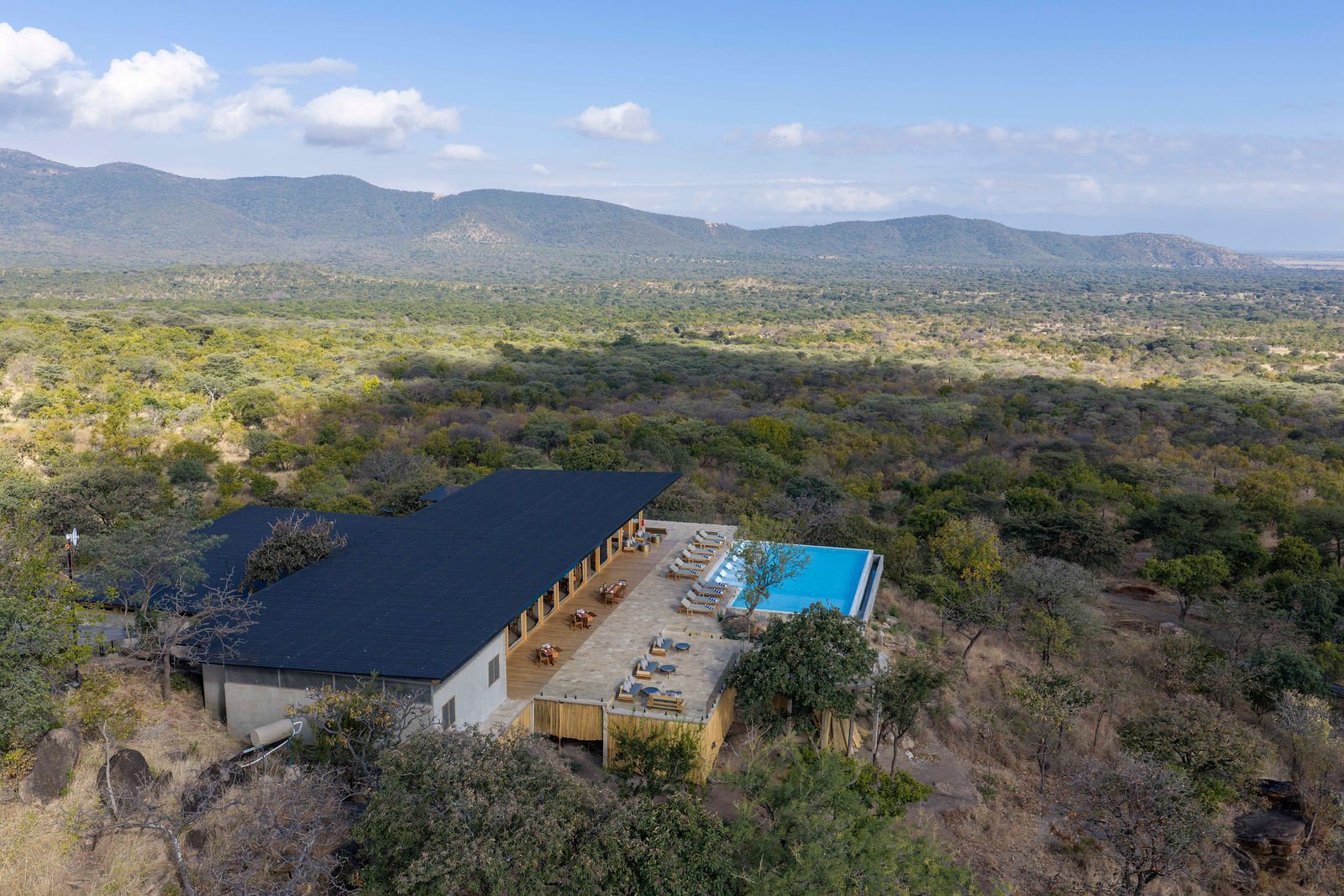 Mid-Range
A quiet tented lodge beside western Tarangire, near Sangaiwe Gate — classic canvas tents under thatch, views towards Lake Burunge, a pool and a tree-top viewing platform.
View the lodge →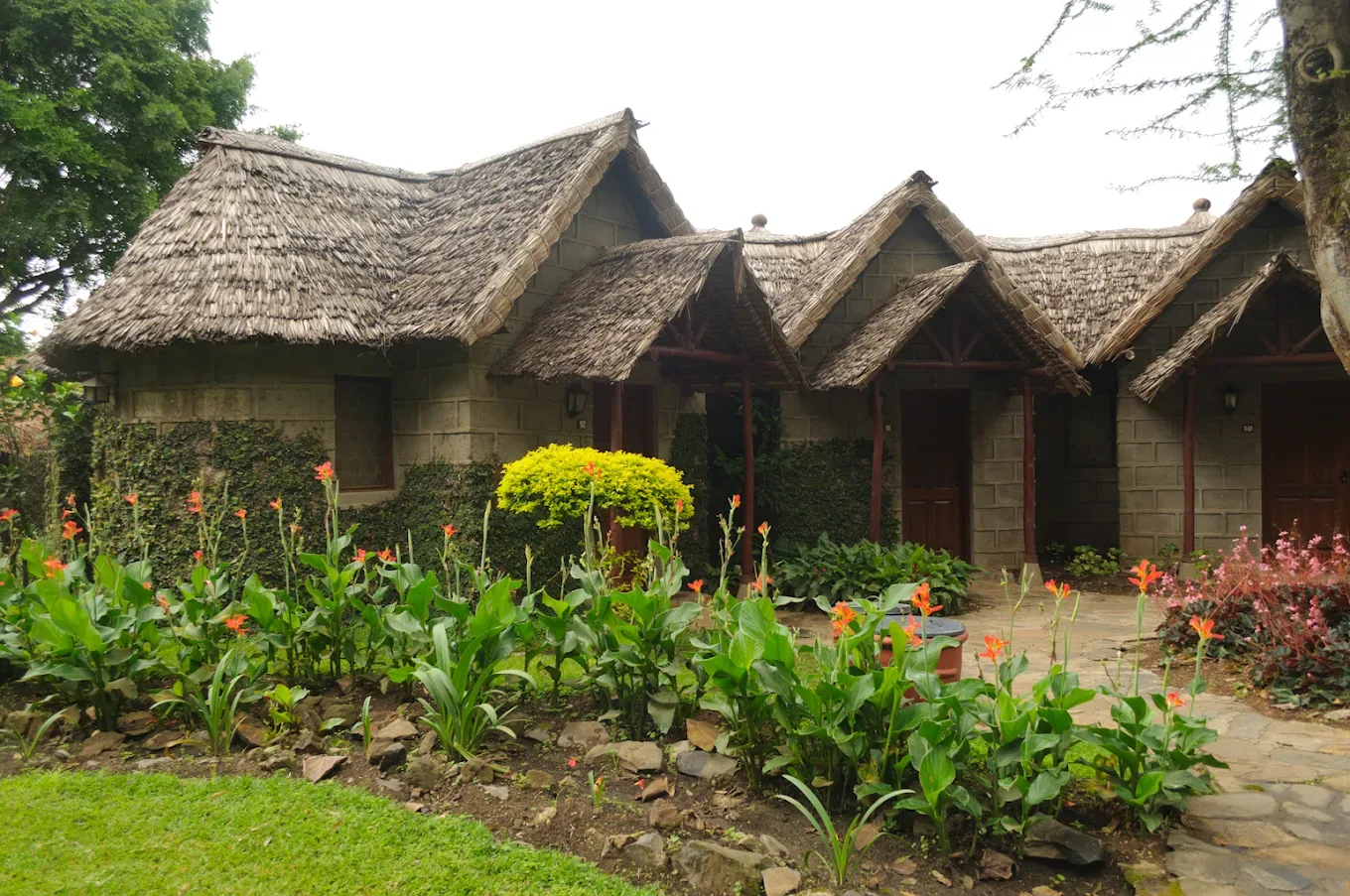 Luxury
A large, well-located lodge in the heart of Tarangire National Park — spacious suites with a private lounge and verandah, and a pool on the edge of a rocky gorge.
View the lodge →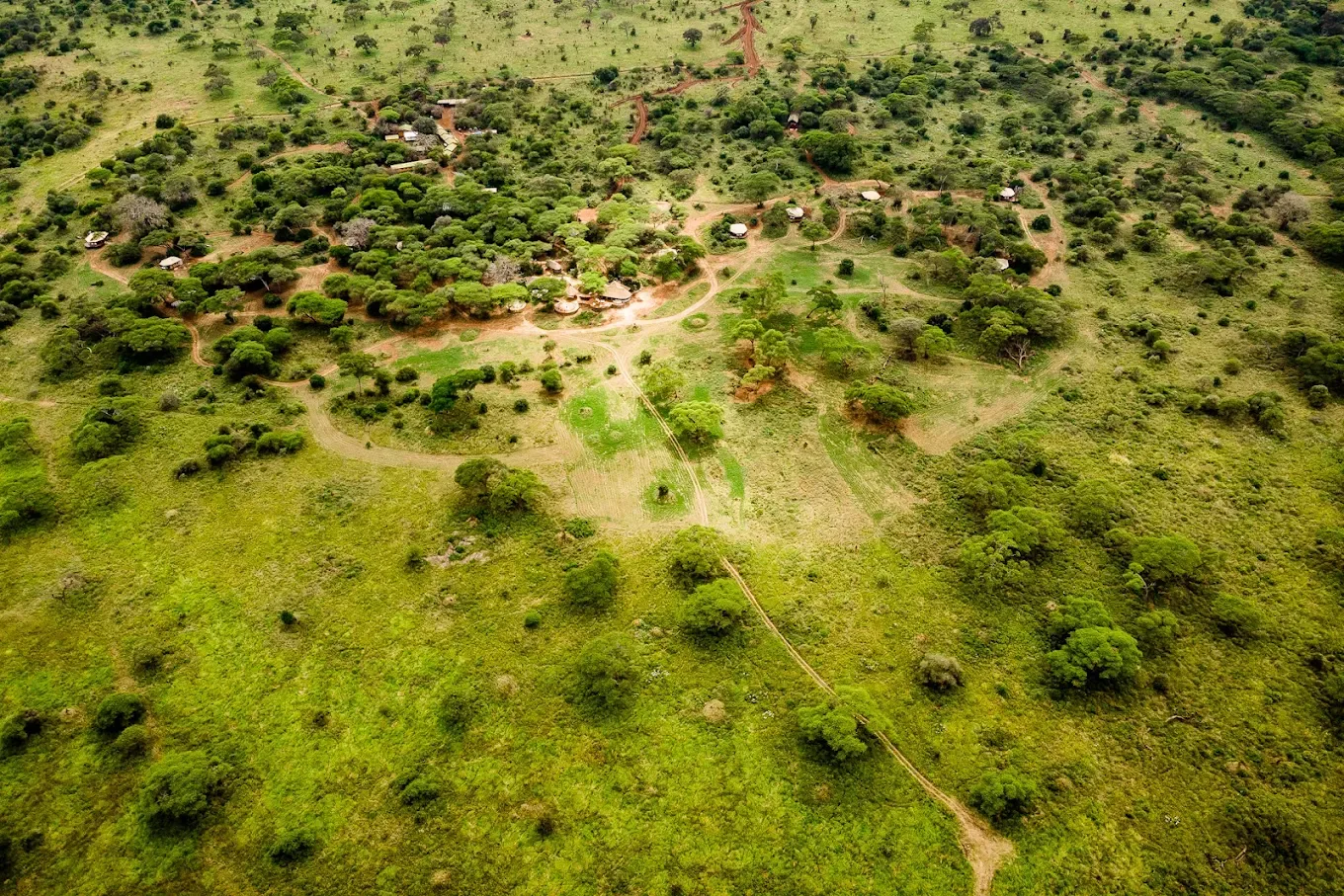 Ultra Luxury
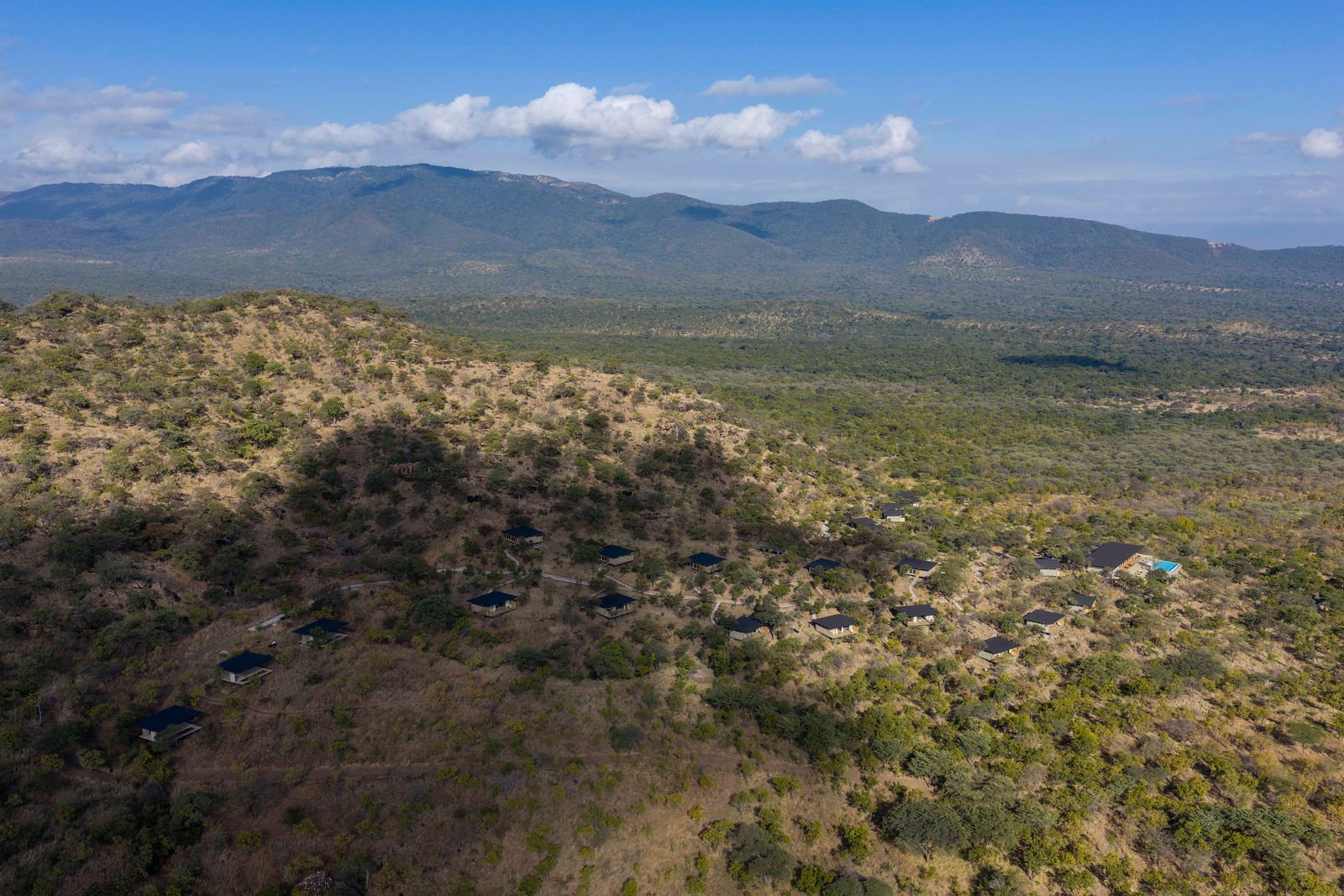
Twelve canvas pavilions around a busy waterhole in the secluded south-west of Tarangire — walking safaris, night drives and Sanctuary Retreats’ attentive service.
View the lodge →Tarangire is the classic first stop of a northern Tanzania safari. These itineraries include it, alongside Ngorongoro and the Serengeti.
Wildlife safari
Tarangire · Ngorongoro
Two remarkable wildlife destinations in one short private safari: Tarangire’s elephants and baobabs, then a full morning in the Ngorongoro …
Wildlife safari
Tarangire · Ngorongoro · Lake Manyara
Tarangire, the Ngorongoro Crater and Lake Manyara in three days — elephants and baobabs, a full crater morning and Rift Valley forests.
Wildlife safari
Tarangire · Serengeti · Ngorongoro
From ancient baobab landscapes to the endless Serengeti plains and the spectacular Ngorongoro Crater — a private four-day safari.
 01
June – October · elephants
The heart of the park in the dry season. Elephants, buffalo and big cats gather along the river and its sandy bed.
 02
Dry season · big herds & birds
A large seasonal swamp south of the river, attracting buffalo, elephants and abundant birdlife.
 03
For quiet & wilderness
Remote woodland and swamps where you will see few vehicles — best explored on longer stays.
Entry fees are set by Tanzania National Parks and included in all our safari quotes.
One night is enough for a taste of the park; two or three let you explore the quieter south.
Tsetse flies can be present in wooded areas. Wear light, neutral colours and avoid dark blue and black.
Light clothing for warm days, a fleece for evenings, sun protection, insect repellent and binoculars.
Tarangire is in a malaria area — speak to your doctor about prevention before you travel.
Fees, rules and opening times can change. For the latest official information, visit Tanzania National Parks (TANAPA) ↗
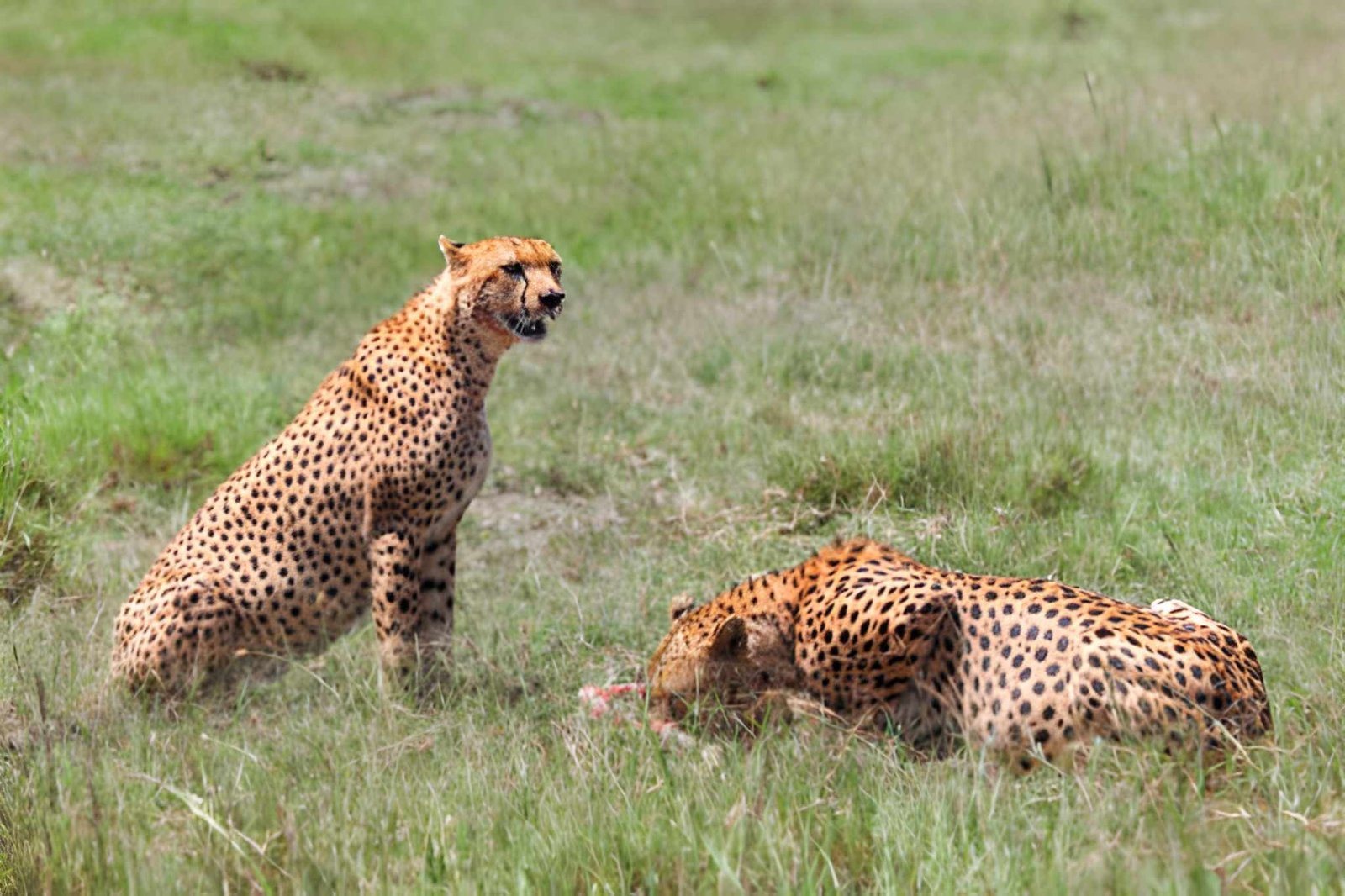
Great Migration, big cats, balloon safaris
Endless golden plains, the Great Migration and some of Africa’s finest big-cat viewing — Tanzania’s most celebrated wilderness, planned around you by…
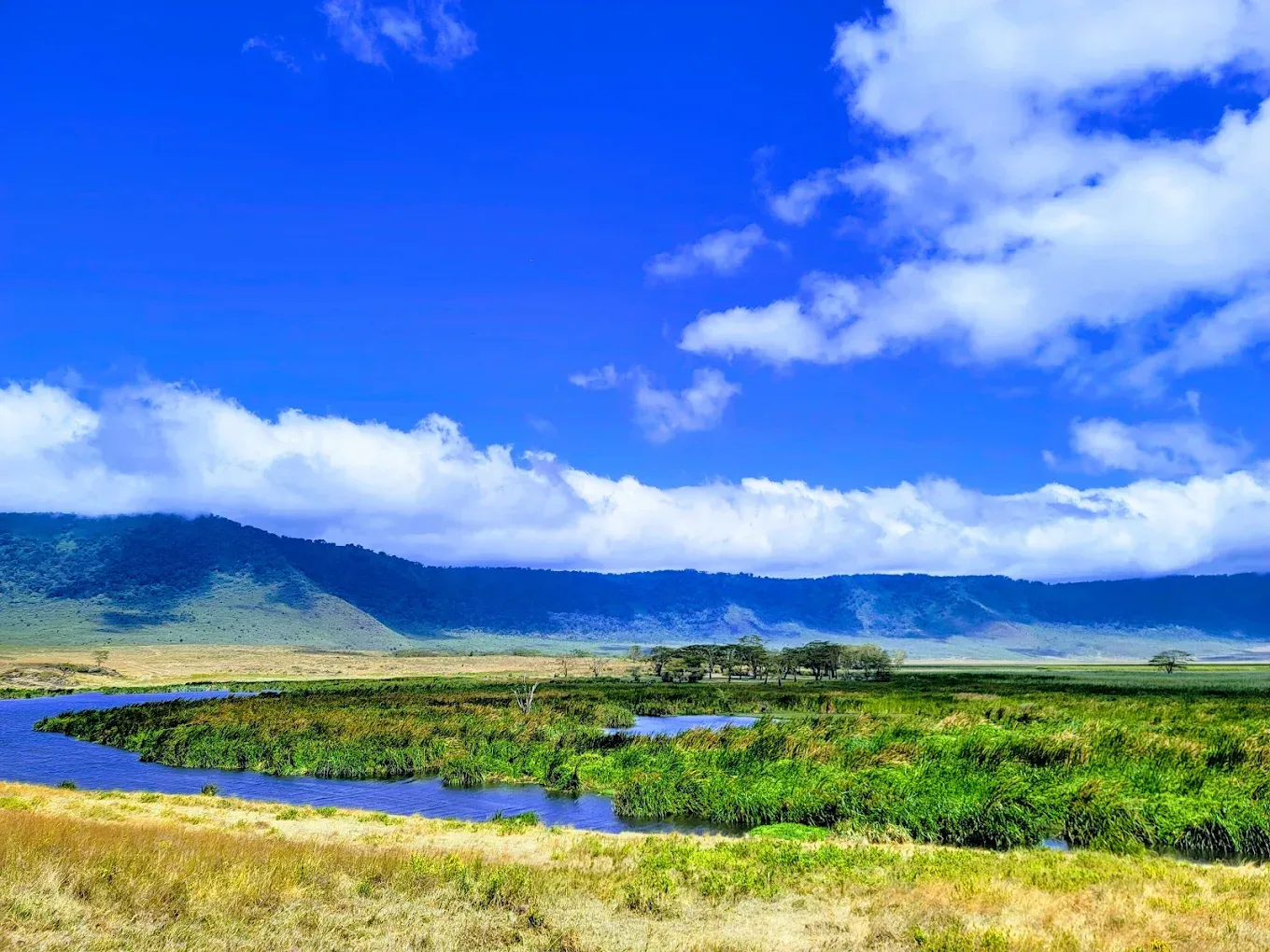
Black rhino, the Big Five in a day
A vast collapsed volcano sheltering a self-contained world of wildlife — from black rhino to lion — surrounded by highland forest, Maasai pastures an…
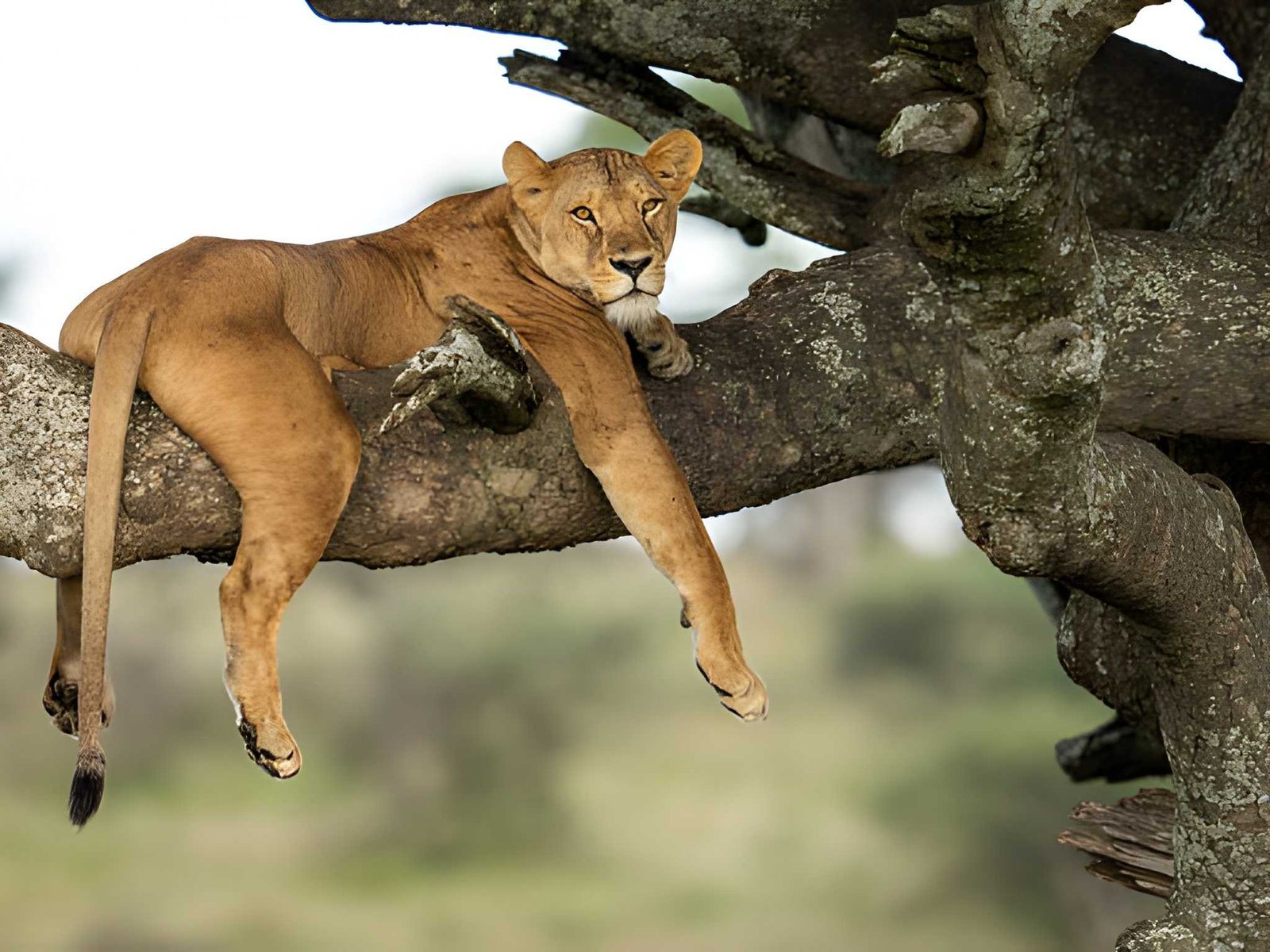
Forest, birdlife, Rift Valley views
A green jewel at the foot of the Great Rift Valley — groundwater forest, a shimmering soda lake, baboon troops, elephants and hundreds of bird specie…
Can’t find your answer? Our team in Moshi is happy to help.
Ask on WhatsAppYes — especially in the dry season, when it offers some of the best elephant viewing in Africa. Its baobab landscapes make it very different from the Serengeti or Ngorongoro.
One full day or one night works well as part of a safari. Stay two or three nights to explore further and enjoy walking safaris.
June to October, when wildlife concentrates along the Tarangire River. November to May is quieter and excellent for birdwatching.
Yes. It is about two hours each way, so a full-day safari from Arusha is very achievable.
Yes. Lions are seen regularly, especially along the river in the dry season, and leopards live in the riverine woodland.
They can be found in some wooded areas. Neutral clothing and insect repellent help, and your guide will avoid the worst areas where possible.
Begin your journey among the baobabs and elephant herds. Tell us your dates and we will build Tarangire into a safari designed around you.