


+255 762 032 480 [email protected] Every day · 08:00 – 18:00 EAT
EN
Camera for safari
Travel guide · Planning & costs

Tanzania Safari Planning, Costs & Packing

Everything you need to plan a safari with confidence — from choosing your parks to what goes in your bag.

10 min read · Reviewed October 2026
Ideal length
5 – 8 days
Safari style
Private 4×4 & guide
Comfort levels
Mid-Range to Ultra Luxury
Book ahead
6 – 12 months for Jul – Oct
Travel guide

Tanzania Safari Planning, Costs & Packing

A Tanzanian safari is one of the great travel experiences, and a little planning makes all the difference. The right number of days, a sensible route and accommodation that suits your style matter far more than squeezing in every park. This guide explains how we think about safari length and routes, what drives the cost, how our three comfort levels differ, how money and tipping work in Tanzania today, and exactly what to pack.

Every safari we run is private, with your own vehicle and guide, so everything here can be adapted to your dates, interests and budget.

01

How long should your safari be?

Two or three days give a good taste of the northern circuit — typically Tarangire, Lake Manyara and the Ngorongoro Crater. For most travellers, five to seven days is ideal: enough time to include the Serengeti with at least two nights there, without spending most of the trip on the road. Eight days or more allow a slower pace, extra Serengeti nights in the right migration area, or a beach extension on Zanzibar.

  • 2–3 days: Tarangire, Lake Manyara and the Ngorongoro Crater
  • 5–7 days: add the Serengeti, ideally with two or more nights
  • 8+ days: a slower pace, migration areas or Zanzibar
Tip from our team

Two nights in the same Serengeti camp are worth far more than adding another park — you unpack once and gain a full day of wildlife.
02

Choosing your route

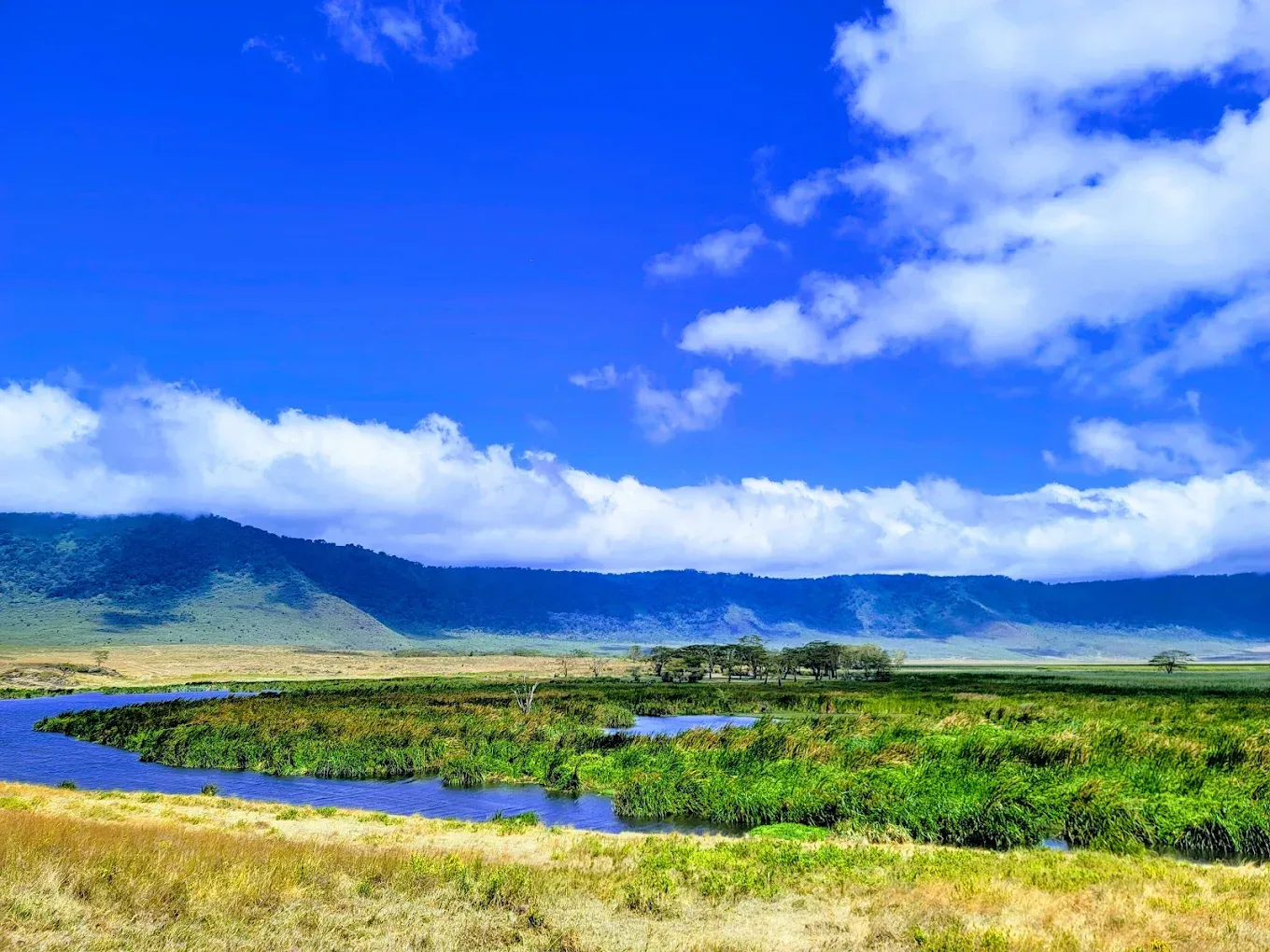
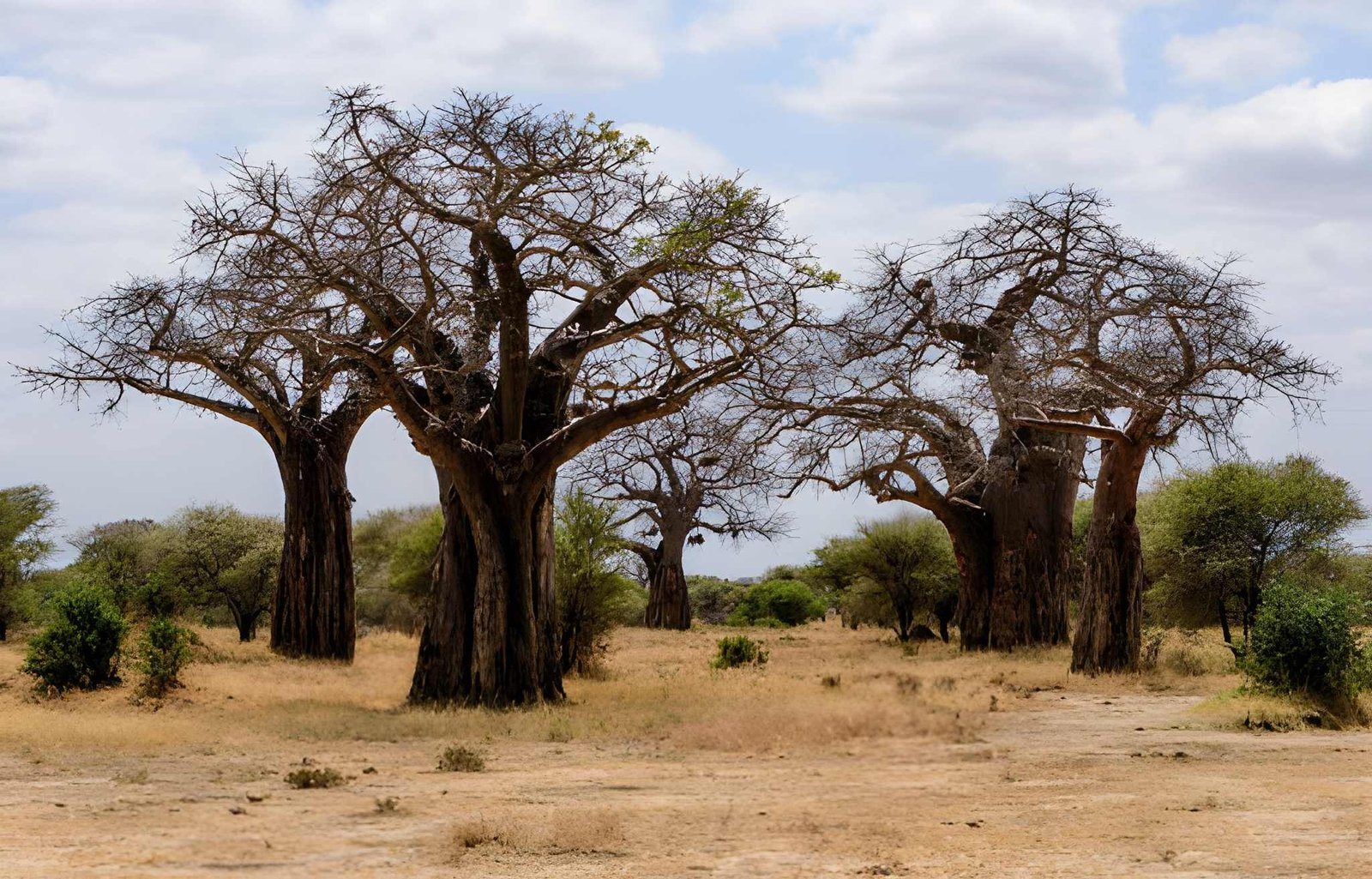
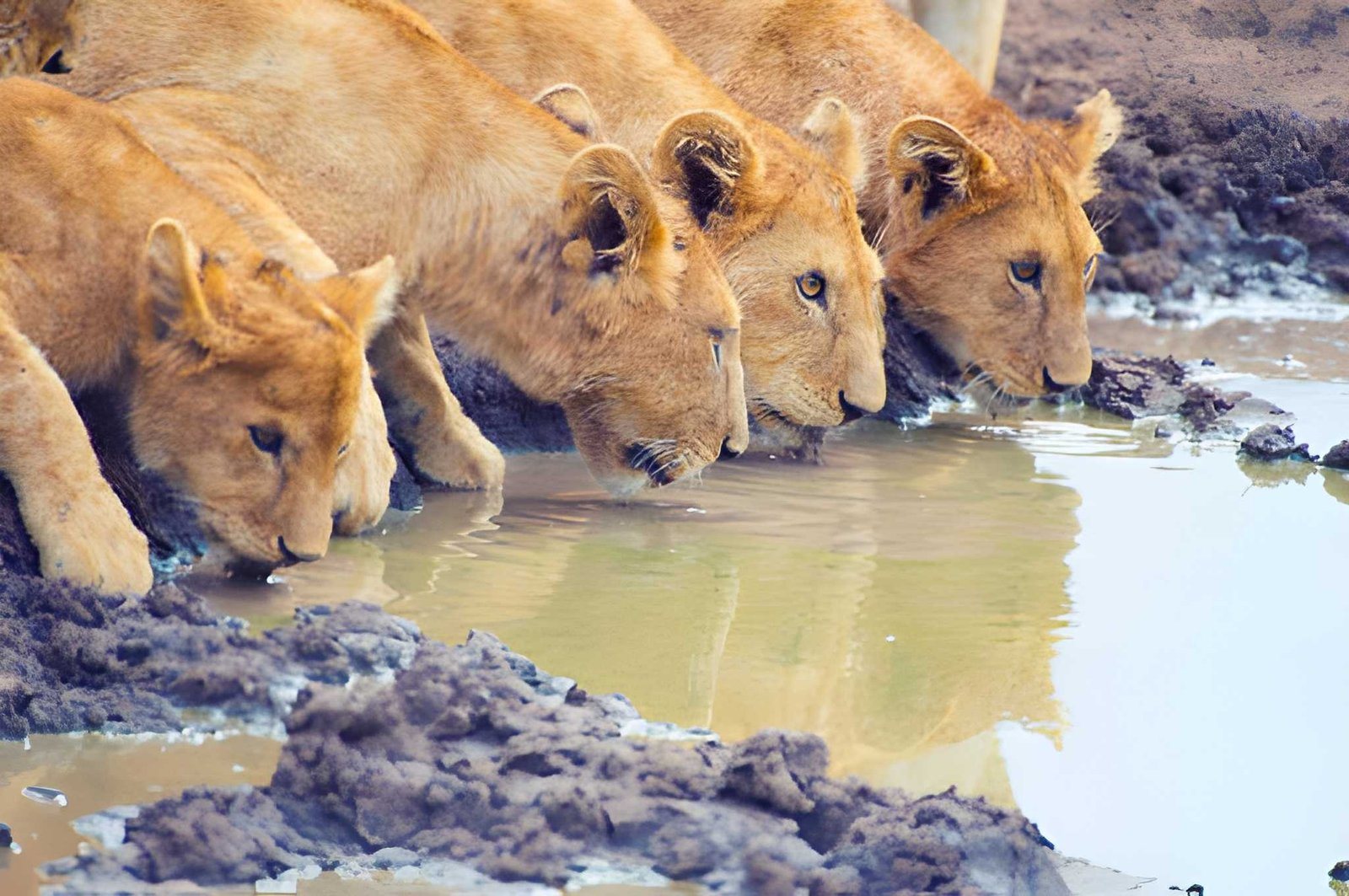
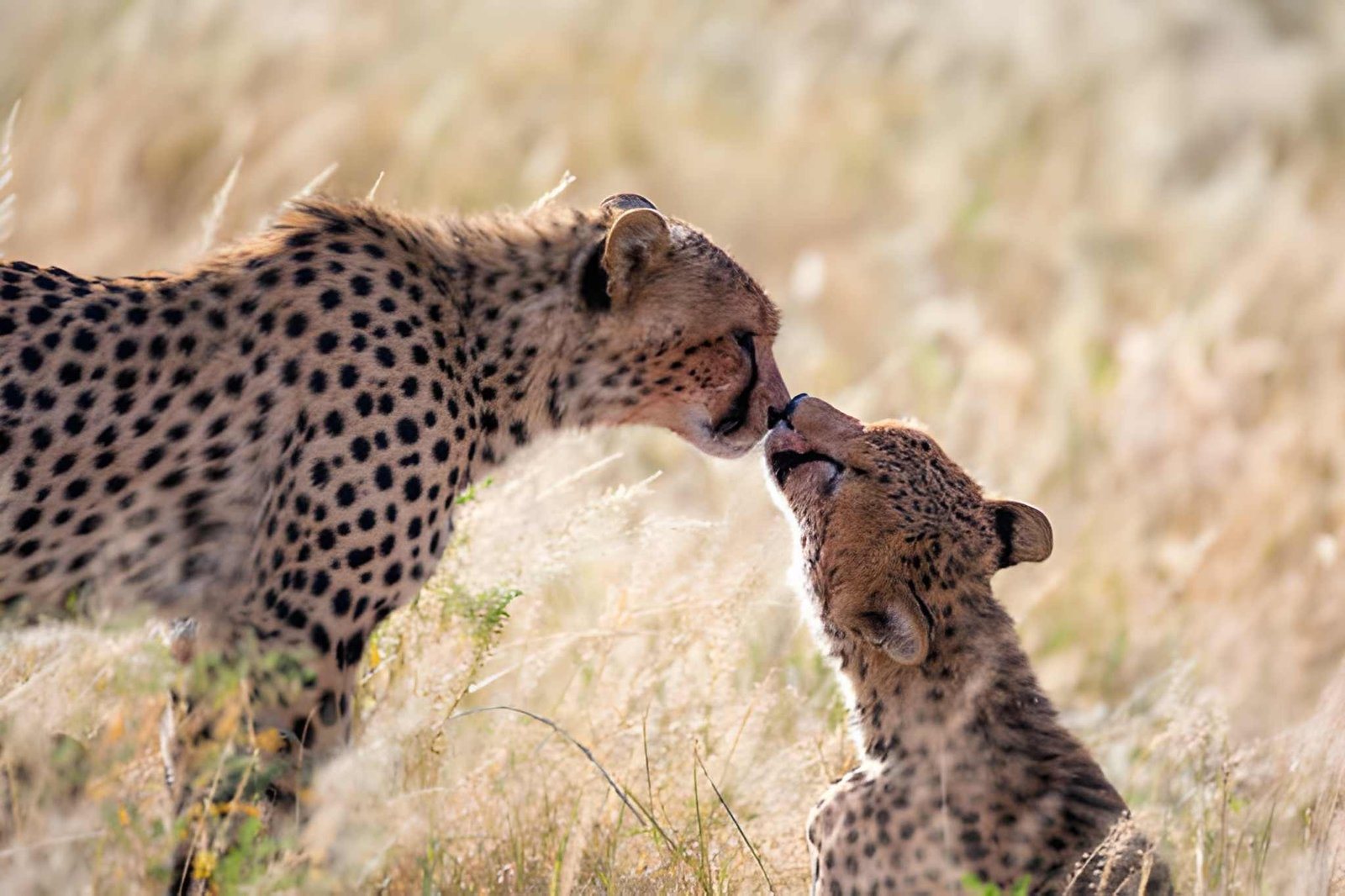
Most safaris start and end in Arusha and follow the northern circuit. Tarangire is known for elephants and baobabs, Lake Manyara for its forest and Rift Valley scenery, the Ngorongoro Crater for dense wildlife in a volcanic caldera, and the Serengeti for vast plains, big cats and the Great Migration. Long drives connect the highlands and the Serengeti, so a sensible route balances travel time and game viewing.

Flying between parks on light aircraft saves time and adds spectacular views, and suits longer or higher-end itineraries. We also add experiences such as Lake Eyasi’s Hadzabe and Datoga communities, a Maasai village or a balloon flight over the Serengeti.

Tip from our team

See our destinations guide for each park’s highlights, best season and suggested stay.

03

What a safari costs

Safari prices are made up of a few main parts: park and conservation fees, accommodation, your private vehicle and guide, and meals and transfers. Park fees are set by the government and are charged per person per day — roughly US$59 to US$83 per adult per day in the main national parks, including VAT, depending on the park and season. The Ngorongoro Conservation Area charges around US$71 per adult per day, plus a crater service fee of about US$295 per vehicle for each descent.

Accommodation is usually the largest part of the cost and varies most between comfort levels. Because the vehicle and guide are shared within your group, the price per person falls as your group grows. As a guide, our private safaris start from about US$300 per person per day at Mid-Range for a group of six, rising to over US$800 per person per day at Ultra Luxury for two.

  • Park, conservation and crater fees
  • Accommodation and meals as listed
  • Private 4×4 with pop-up roof and driver-guide
  • Drinking water and transfers in Arusha
Tip from our team

Our quotes always include park fees at current rates, so the price you see is the price you pay — unless the government changes its fees before you travel.

04

Comfort levels explained

Your route, vehicle and guiding are the same at every comfort level — only your accommodation changes.

  • Mid-Range: comfortable, characterful lodges and tented camps with en-suite rooms and warm service.
  • Luxury: refined lodges in exceptional settings — more space, finer dining and polished, personal service.
  • Ultra Luxury: intimate, exclusive properties with outstanding design, privacy and the very best locations.
Tip from our team

Mixing levels works well — for example, Mid-Range lodges on travel days and a special camp for your Serengeti nights.

05

Private safaris, families and honeymoons

All our safaris are private, so you set the pace, stop for photographs and change plans with your guide. Families are very welcome: we choose lodges with family rooms and pools, plan shorter drives and add activities children enjoy, though some camps have minimum ages. For honeymooners, we suggest intimate camps, a balloon safari, a bush dinner and a few days on Zanzibar to finish.

06

Money, cards and tipping

Since 2025, the Bank of Tanzania requires everyday payments inside the country to be made in Tanzanian shillings. Your safari, park fees and lodges are paid to us in advance, so you only need money for drinks, souvenirs, optional extras and tips. Visa and Mastercard are accepted at most lodges and hotels (a surcharge sometimes applies), and ATMs are available in Arusha, Moshi and larger towns. If you bring US dollars to exchange, they should be clean notes from 2009 or later.

Tipping is customary and much appreciated. As a common guideline, many travellers give their driver-guide around US$20–30 per day for the group, and add something to the staff tip box at each lodge or camp. Tip in shillings or dollars at the end of your stay.

Tip from our team

Tell your bank you are travelling to Tanzania so your card is not blocked, and carry a second card as a backup.

07

What to pack

Pack light, practical clothing in neutral colours such as khaki, beige and olive — bright colours can disturb wildlife, and dark blue and black can attract tsetse flies. Days are warm and early mornings cool, so layers work best. On light-aircraft flights, luggage is usually limited to about 15 kg per person in soft bags, including hand luggage.

  • Light shirts and trousers in neutral colours
  • A warm fleece or jacket for early mornings and the highlands
  • Comfortable closed shoes and sandals
  • Wide-brimmed hat and sunglasses
  • High-factor sunscreen and lip balm
  • Insect repellent with DEET or picaridin
  • Binoculars — ideally one pair each
  • Camera, spare batteries and memory cards
  • A soft duffel bag rather than a hard suitcase
  • Power bank and a Type G plug adapter
  • Personal medication and a small first-aid kit
  • A reusable water bottle
Tip from our team

Plastic carrier bags are banned in Tanzania and may be confiscated on arrival — pack toiletries in reusable pouches instead.

08

Photography and safari etiquette

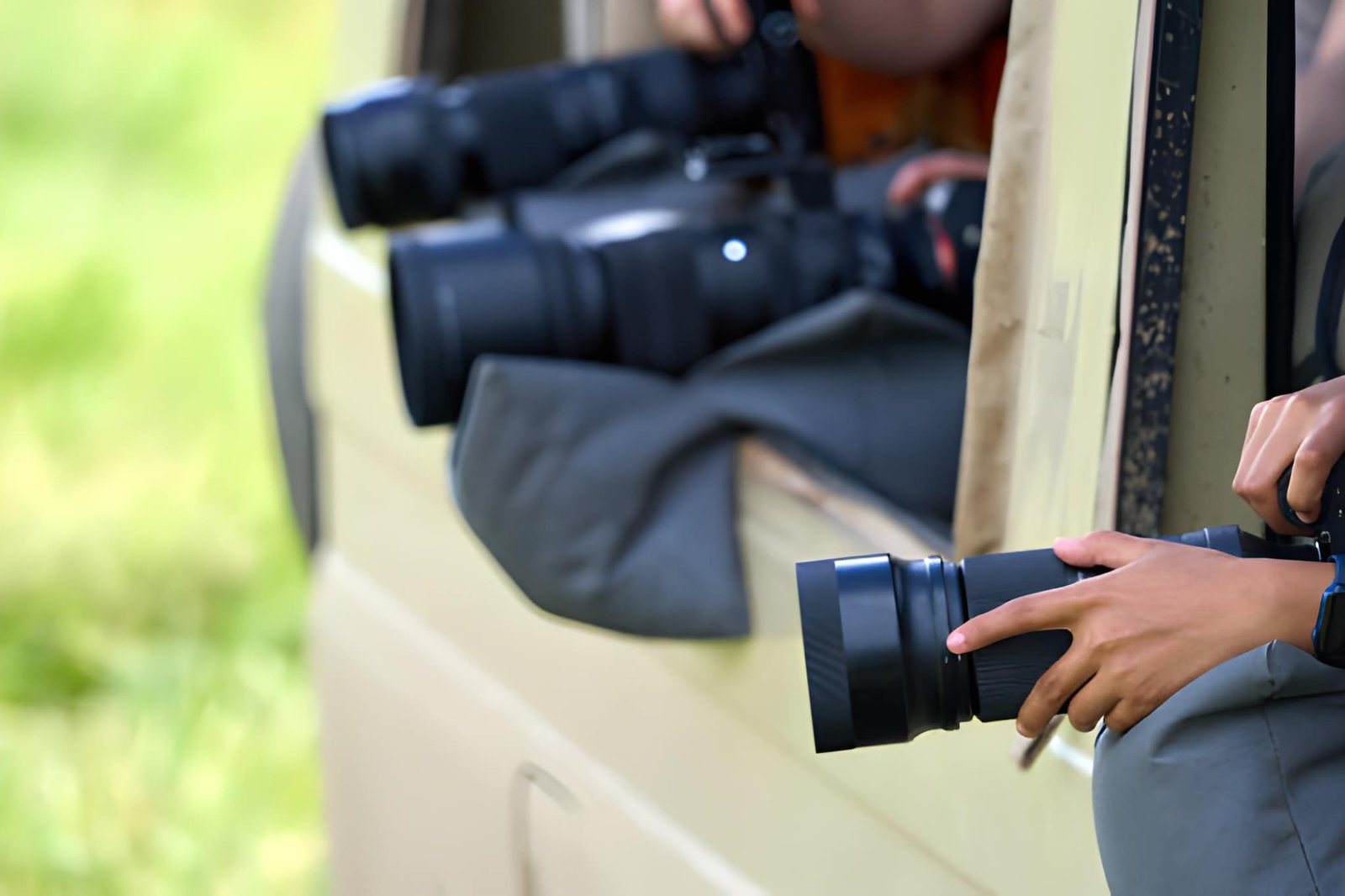
Your guide will position the vehicle for the best light and angles; a zoom lens of 100–400 mm is ideal for wildlife. Stay inside the vehicle unless your guide says otherwise, keep your voice low near animals, and never feed wildlife. Always ask before photographing people. Drones need permits from the aviation authority and park authorities and are not allowed in national parks without them.

Questions

Frequently asked questions

Can’t find your answer? Our team in Moshi is happy to help.

Ask on WhatsApp
How many days do I need for a Tanzania safari?

Five to seven days is ideal for the northern circuit including the Serengeti. Two or three days are enough for Tarangire and the Ngorongoro Crater.

How much does a Tanzania safari cost?

Our private safaris start from about US$300 per person per day at Mid-Range for a group of six, and rise with comfort level and smaller groups. Park fees are included.

Are park fees included?

Yes — all park, conservation and crater fees in your itinerary are included at current government rates.

Can I pay in US dollars in Tanzania?

You pay your safari to us in advance. Inside Tanzania, everyday payments must be in Tanzanian shillings; cards are accepted at most lodges.

How much should I tip my guide?

A common guideline is around US$20–30 per day for the group, plus a contribution to the staff tip box at each lodge. Tipping is always at your discretion.

Is a safari suitable for children?

Yes. We plan shorter drives and family-friendly lodges; some camps have minimum ages, which we check for you.

Put it into practice

Recommended journeys

Wildlife safari

5-Day Northern Tanzania Safari

Tarangire · Serengeti · Ngorongoro · Lake Manyara

Tarangire’s baobabs, the Serengeti plains, the Ngorongoro Crater and Lake Manyara — four great parks in a private five-day safari.

Begins
Arusha
Comfort
All tiers
Travel
Private
from $1,450 ppView journey

Wildlife safari

7-Day Northern Tanzania Safari

Tarangire · Serengeti · Ngorongoro · Lake Manyara · Arusha

Seven days from Tarangire’s elephants and baobabs to two nights on the Serengeti plains, the Ngorongoro Crater and Lake Manyara — at a rela…

Begins
Arusha
Comfort
All tiers
Travel
Private
from $2,100 ppView journey
Start planning

Plan your Tanzania journey

Tell us your dates and interests — our family-run team in Moshi will help with seasons, routes and practical details, and reply within 24 hours.

WhatsApp us

We reply within 24 hours. Your details are only used to plan your trip.